The game runs on Apple Silicon and Intel Macs, and feels right at home on a Mac mini M4 under macOS Tahoe.
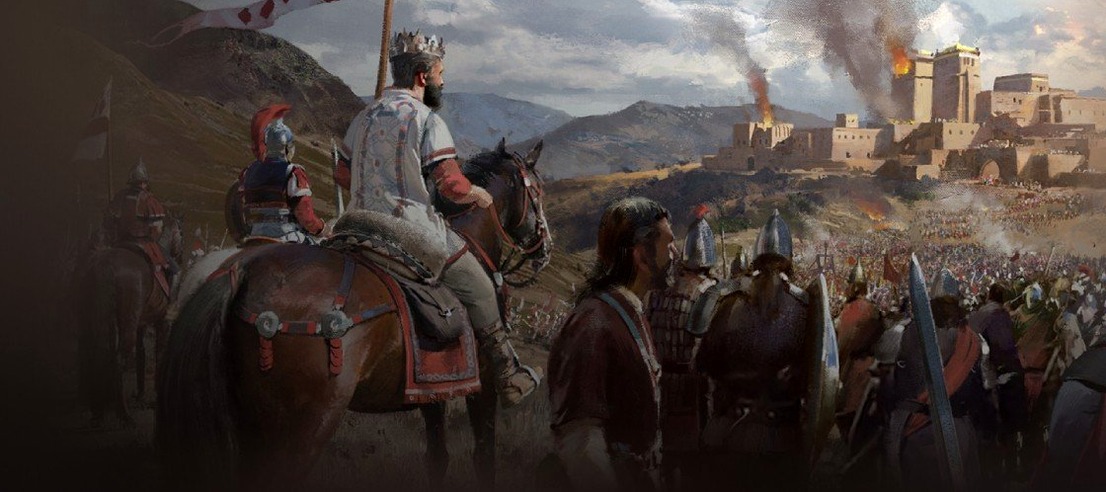
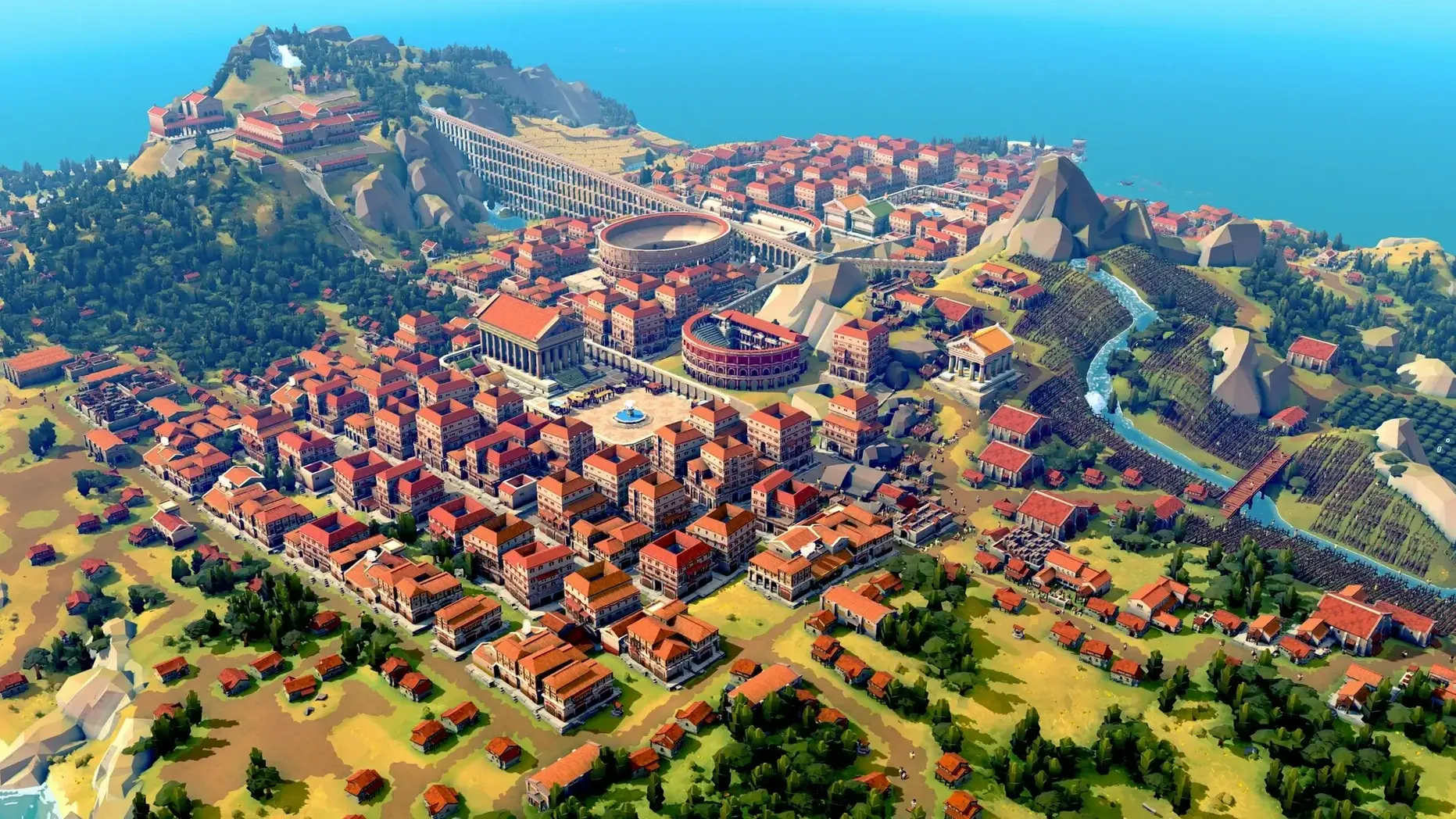
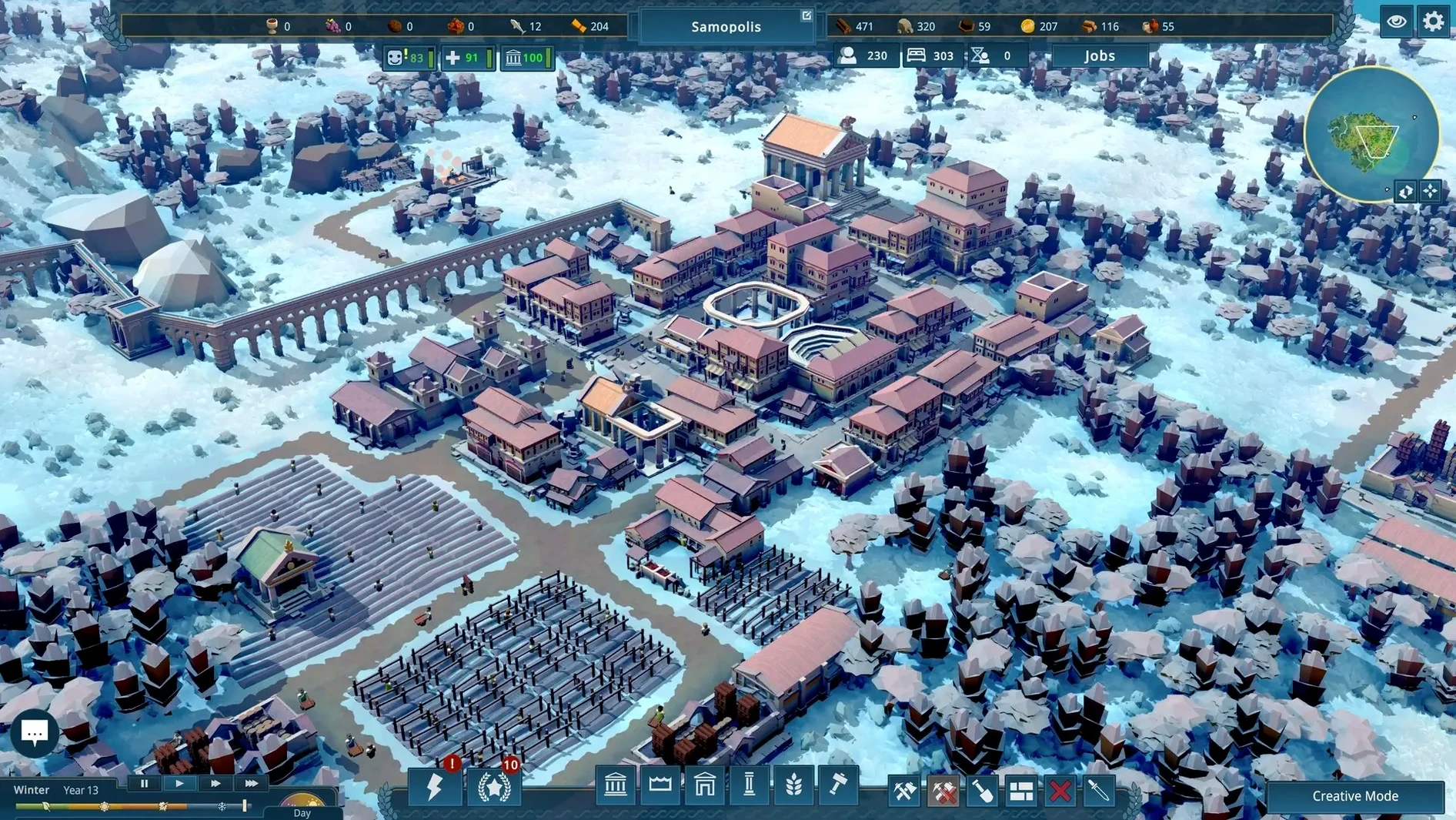
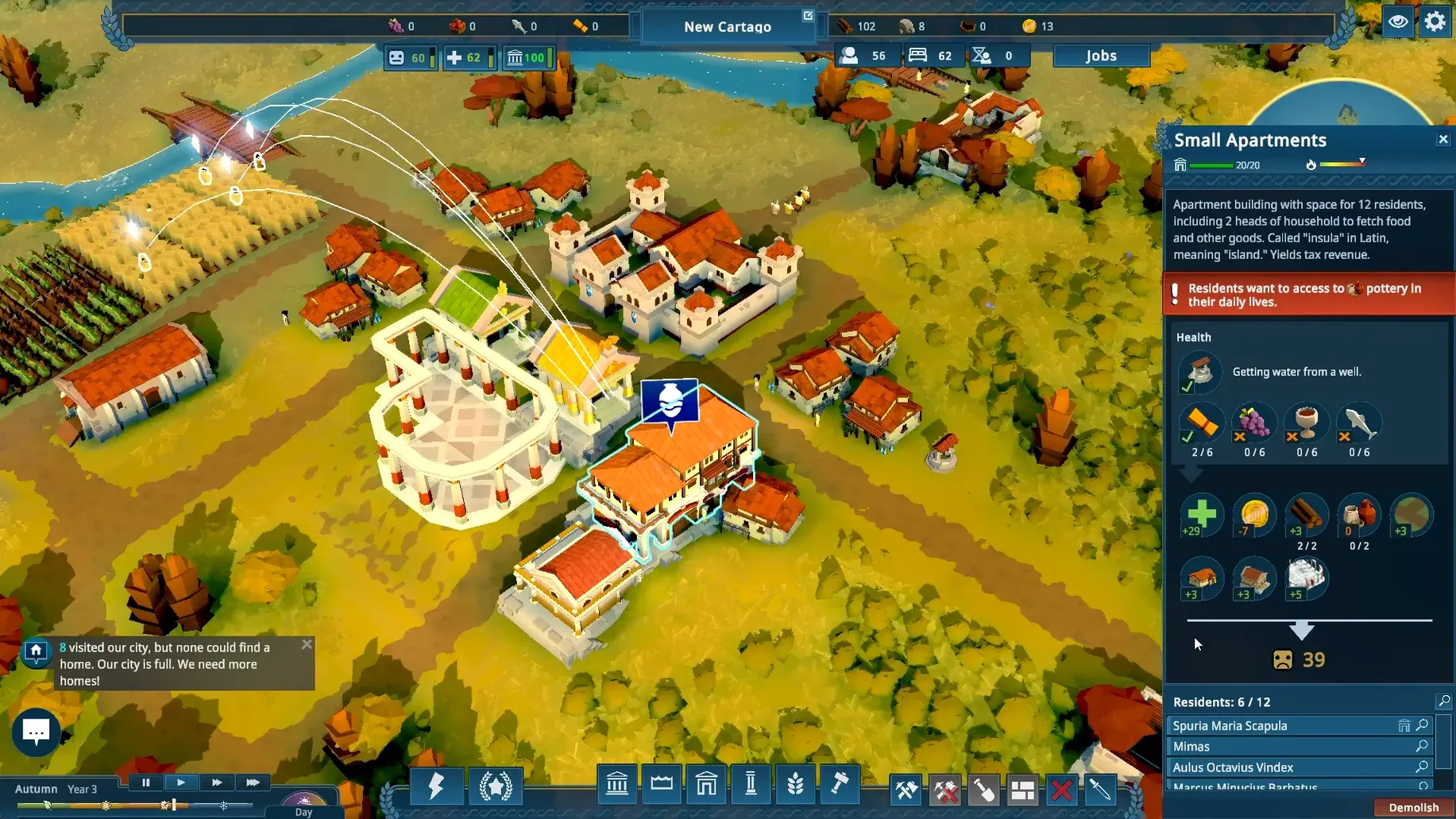
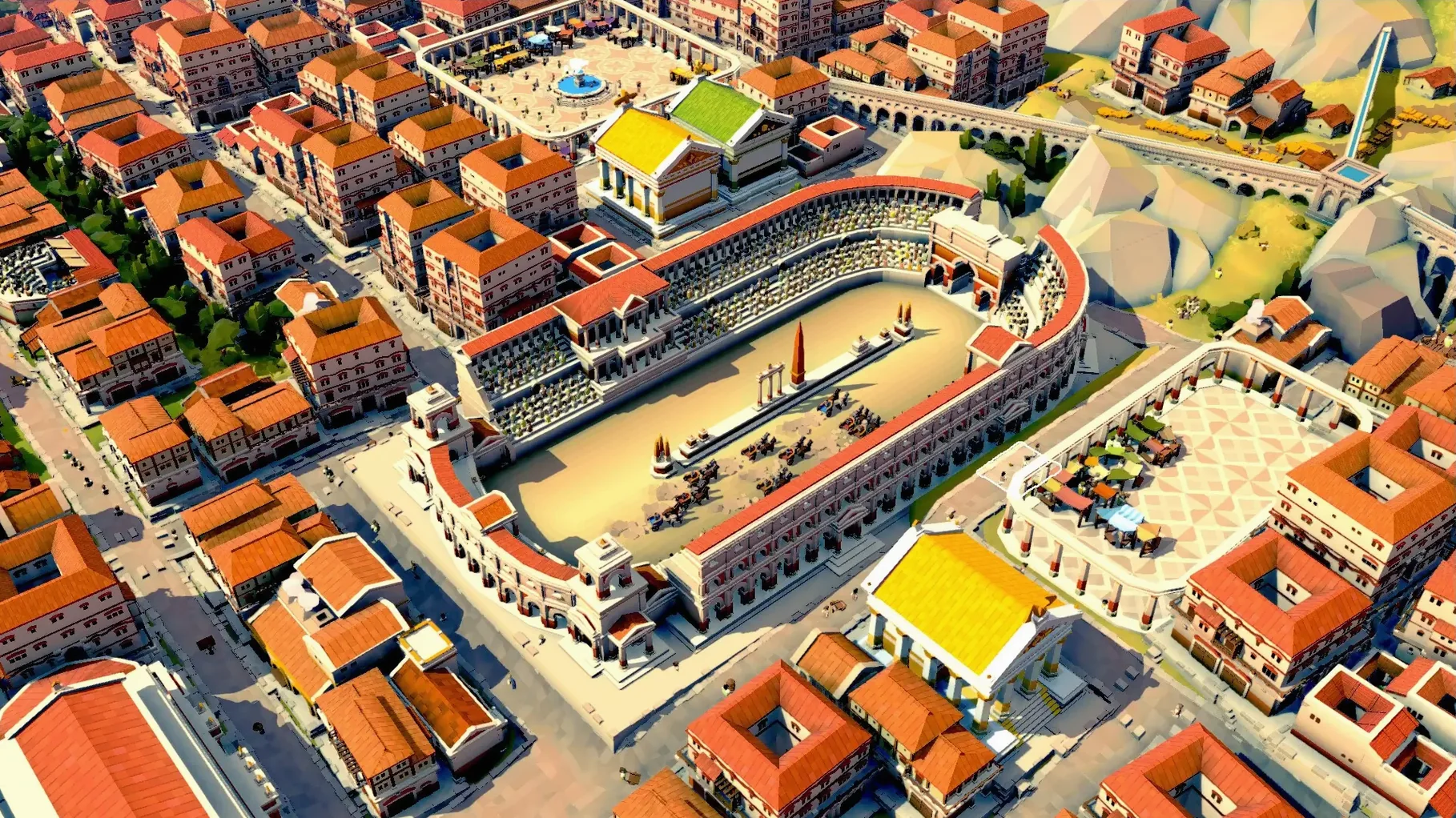
Village to metropolis — You begin with a handful of settlers on an undeveloped plot. Every citizen needs housing, water, work, and entertainment, and you lay out every road and district yourself. The settlement starts as a dirt-path village and gradually becomes a dense Roman city with aqueducts, temples, and a functioning economy.
Laws and taxes — You enact laws that shape how your citizens behave, and set tax rates that fund construction without driving people away. The balance is delicate: too little revenue and you cannot build; too much and you lose the workforce.
Training specialists — Build training grounds and schools to produce gladiators for the arena, craftsmen for trade goods, and actors to keep morale high. Each specialist feeds into a different part of the city’s supply chain and culture.
Divine favour — Temples to the gods are not decorative. Neglect them and your harvests fail, fires spread, or citizens grow restless. Keep them active with offerings and festivals, and the city prospers under clear skies.
Aqueducts fail when elevation drops catch you off guard
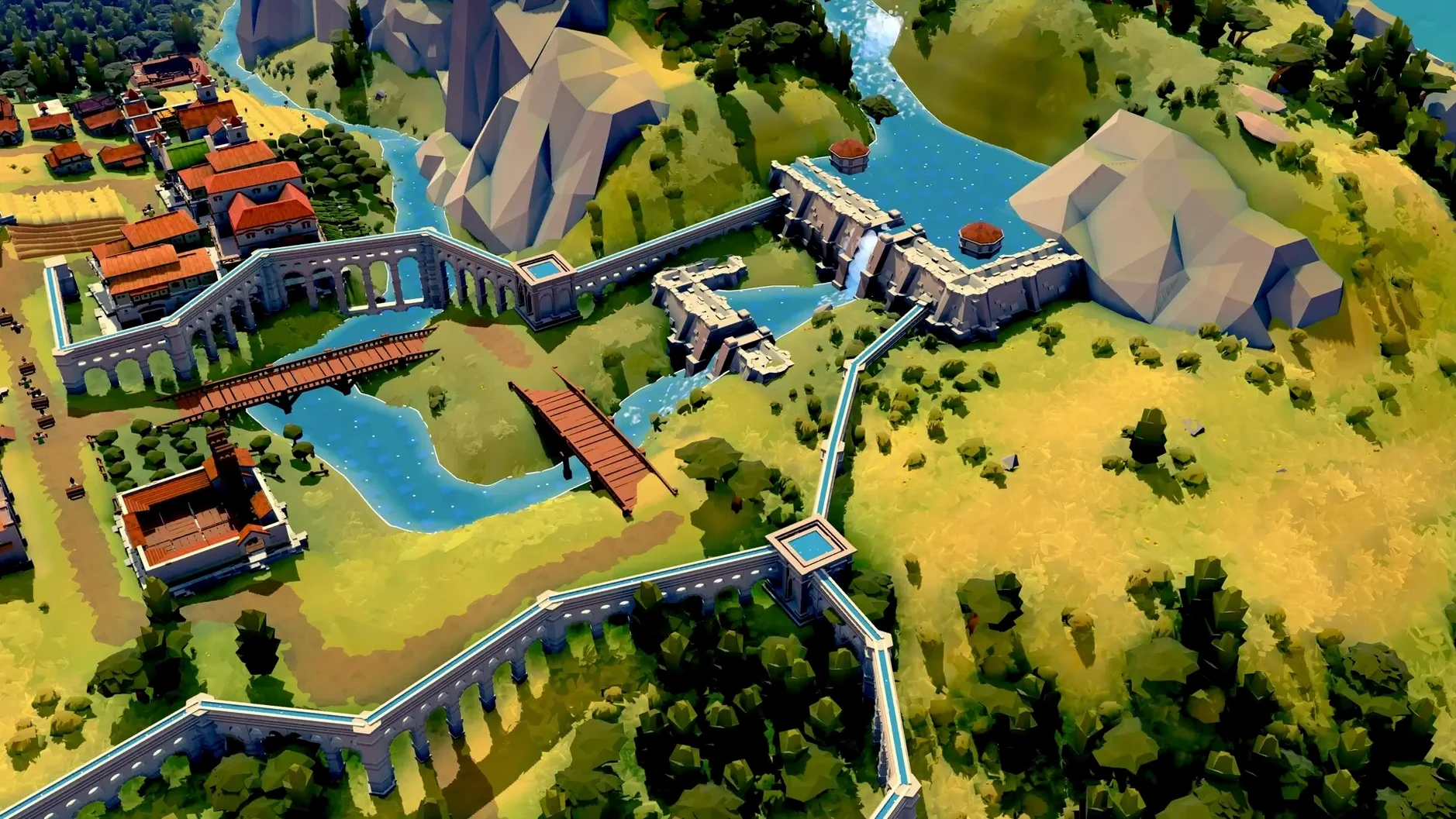
Early runs of nova roma tend to stumble on the same handful of sharp edges. Water pressure is the big one. Aqueducts look straightforward to place, but the game’s hydrodynamics model cares about elevation changes more than most city-builders do. If your reservoirs sit level with or below the districts they serve, water never arrives—no error message, just empty fountains and wilting farms. Build a tall header tank first, then run channels downhill. Check the gradient with the water overlay before you commit the stone.
Grain shortages creep up silently. The mill processes wheat into flour, the bakery turns flour into bread, and hungry citizens blame whoever is nearest. The fix is rarely “add another farm.” Usually the bottleneck sits in storage: granaries too far from the bakery, or cart pushers stuck behind a gladiator parade. Place a dedicated granary for bread ingredients close to the production buildings and assign a cart worker to that route.
Divine neglect is easy to diagnose but slow to cure. Citizens stop attending festivals when morale dips, and morale dips when gods are angry—a loop that punishes reactionary play. Keep one small temple staffed from the moment you hit forty citizens, even if the Jupiter shrine feels premature, and the recovery path stays open.
Layered dependency thinkers find their rhythm here
Players who enjoy managing layered dependencies find their rhythm here faster than pure sandbox builders. The game rewards the kind of thinking that thrived in early Anno titles and the logistics half of Pharaoh: where you place a building matters less than what it connects to and how far a worker walks. If you naturally sketch production chains on scratch paper, this is your comfort zone.
Mac users running Apple Silicon on a quiet machine—an M1 MacBook Air, a Mac mini M4, anything fanless—are especially well served. The build runs cool, and the art reads well on a Retina display without scaling quirks. Strategy fans who play in short evening sessions also get along with the pacing. You can spend half an hour laying out an aqueduct network, save, and return without losing the thread, because the city’s problems announce themselves through visible cues rather than buried menus.
People who bounce off pure military city-builders tend to stick around. There is no combat in the current build; the pressure comes from resource decay, weather events, and the gods, not from an invading army. That makes it a gentler entry point for players who want the Roman setting without the conquest layer.
Seasonal rainfall now drains reservoirs by late summer
Build 0.7.2703 tightened several systems that earlier players found forgiving. Water management now accounts for seasonal rainfall variance, so a reservoir that covers a district in spring may run dry by late summer. You can no longer place a single aqueduct spur at the start and forget it; checking levels mid-season became a routine task.
Taxation logic received a rework that makes citizen tolerance less binary. Previously, raising taxes above a threshold triggered immediate walk-outs. The current version introduces a grumbling stage—productivity drops, festival attendance dips, but people stay for a few cycles. That gives you a window to adjust rates or boost bread supply before the population shrinks, which feels more like managing a living city and less like flipping a switch.
Specialist training paths were streamlined. Gladiator schools and actor troupes no longer compete for the same rare citizen type, so you can develop entertainment and arena culture in parallel without stalling one to feed the other. The change is subtle but noticeable in mid-game, where earlier builds forced you to pick a cultural lane and stick with it for hours.
- macOS (exact version unlisted; runs on Apple Silicon and Intel)
Questions from the booth
It is in active development — the current build is version 0.7.2703, so systems are still being added and refined.
Russian, English, German, Hungarian, Spanish, Italian, Traditional Chinese, Simplified Chinese, Korean, Polish, Portuguese, Turkish, Ukrainian, French, Czech, and Japanese.