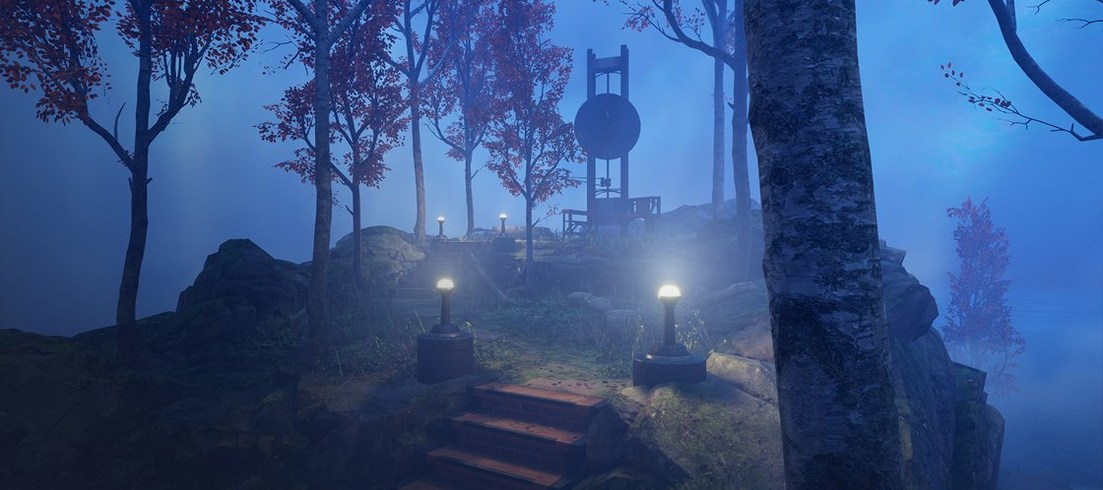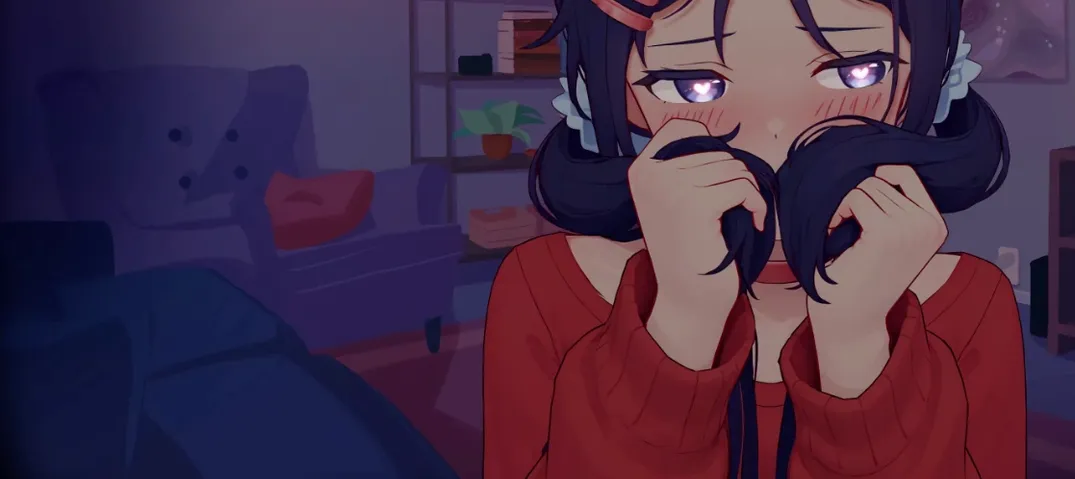
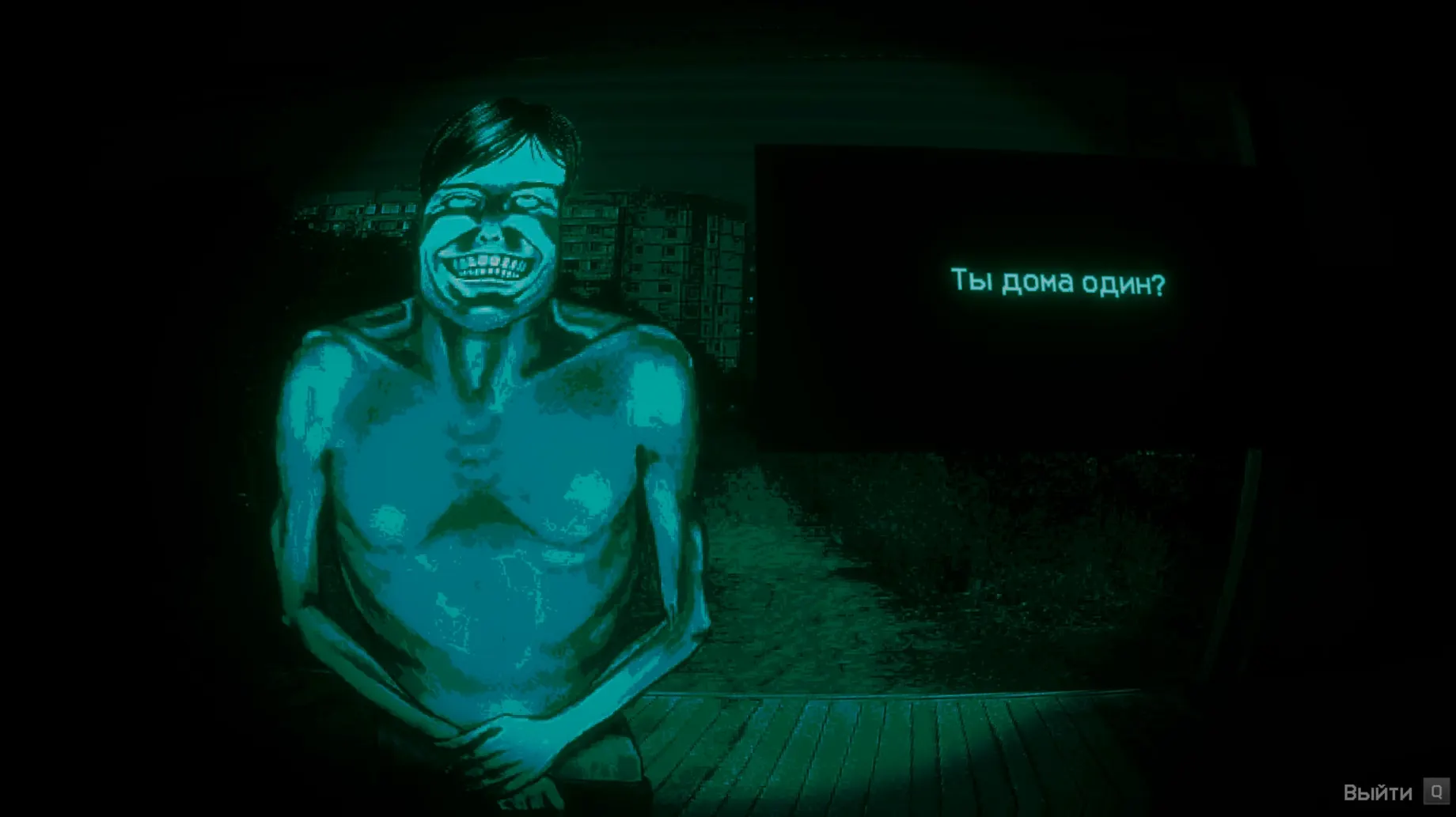
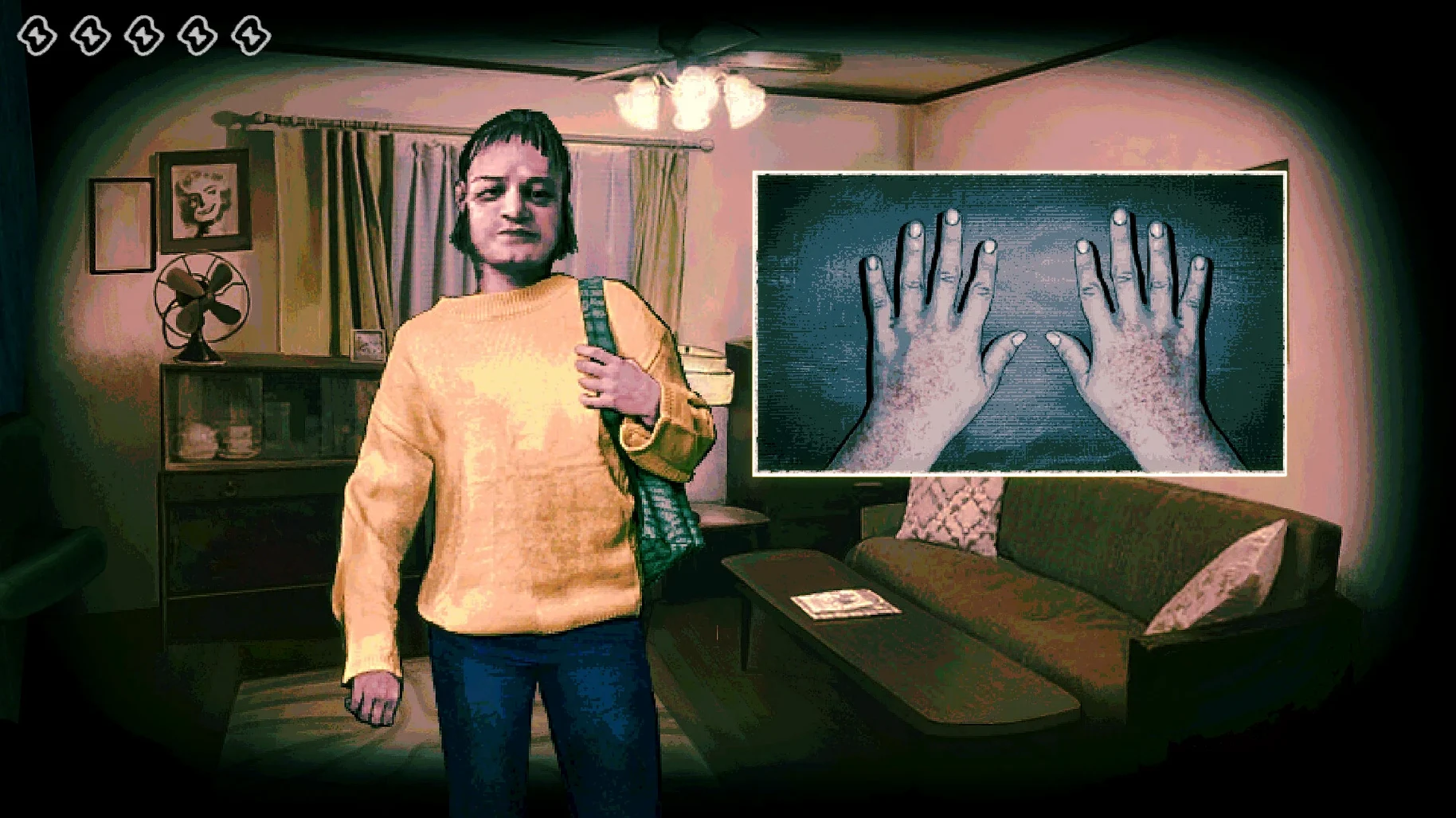
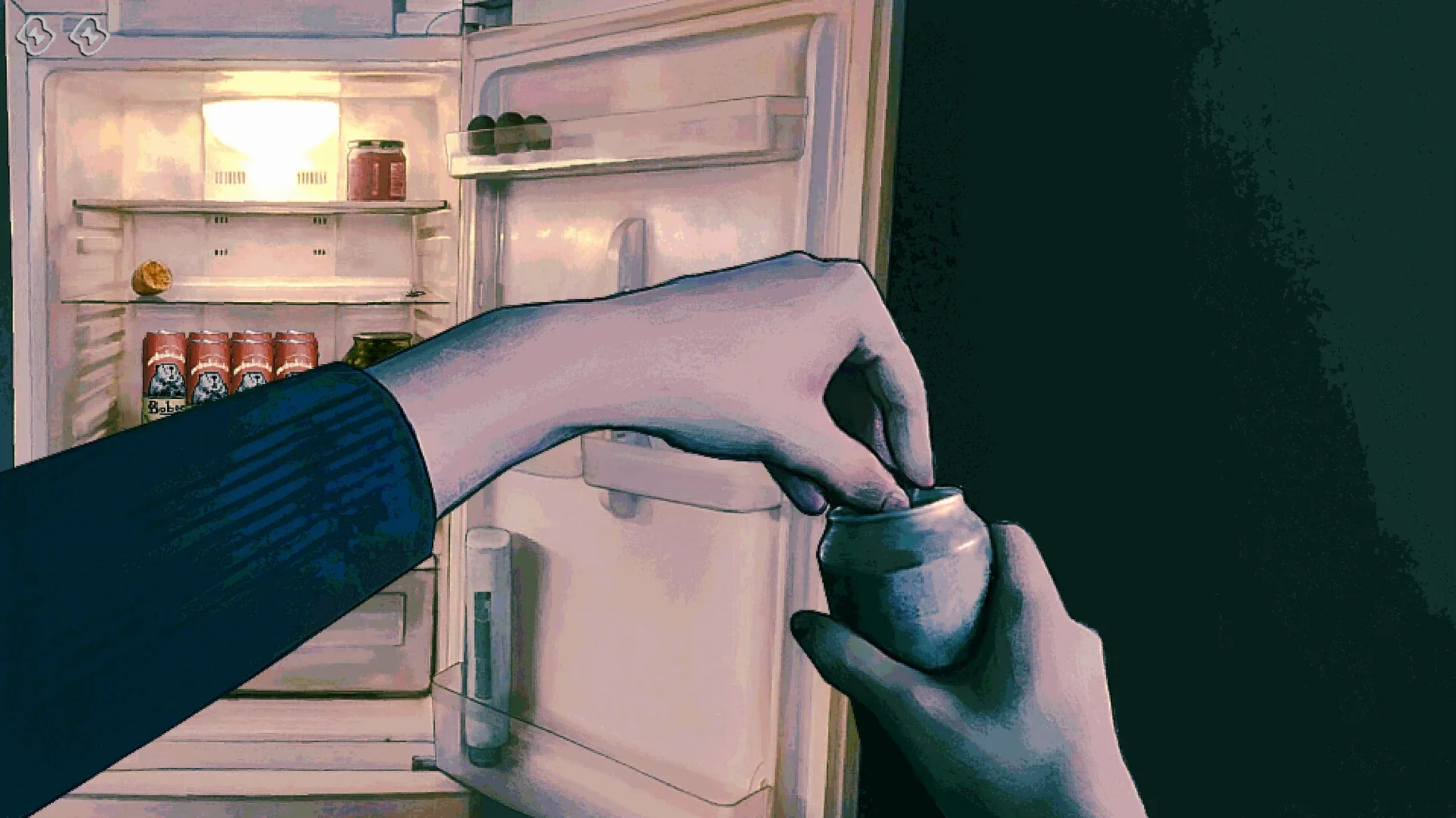

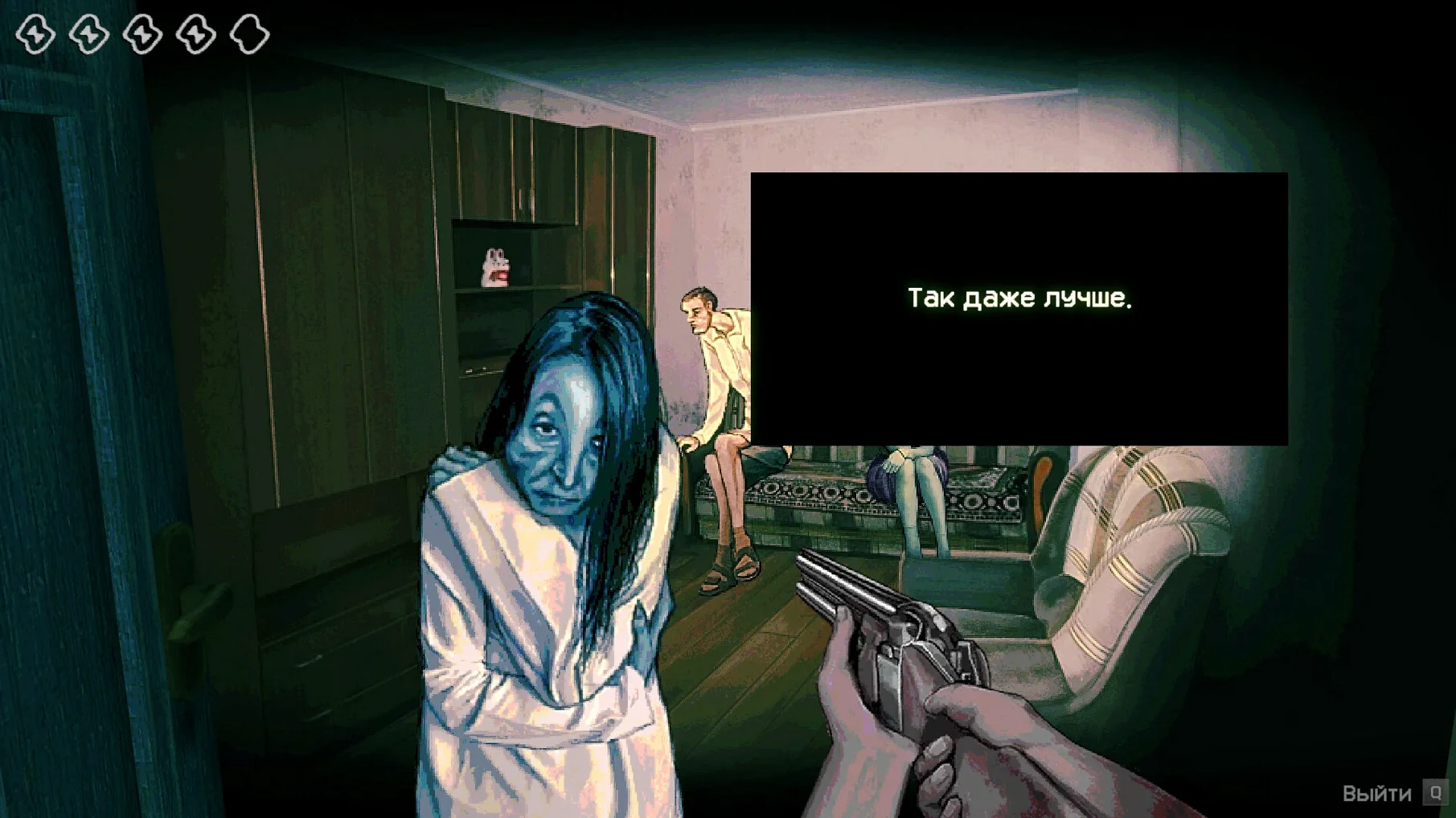
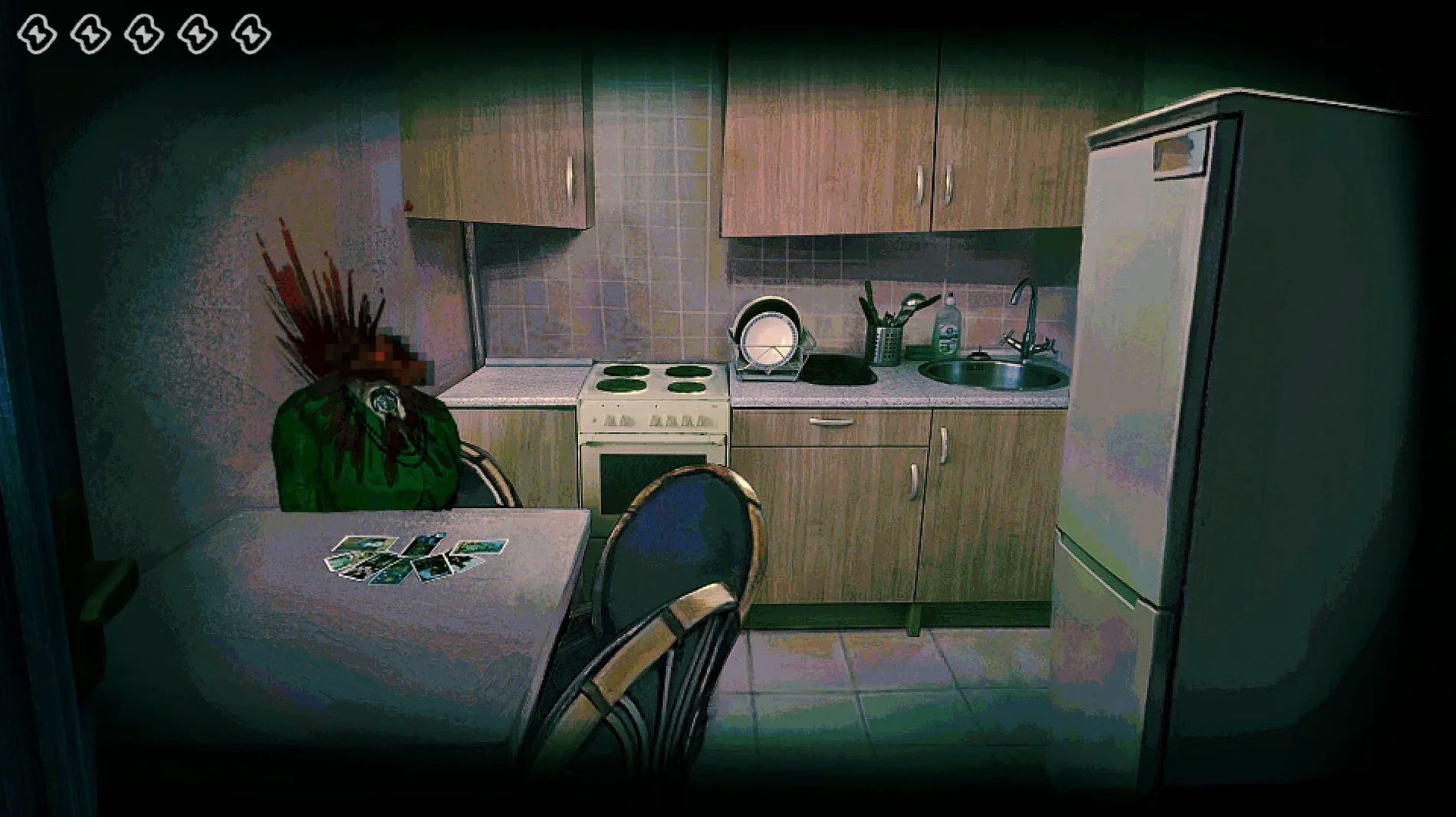
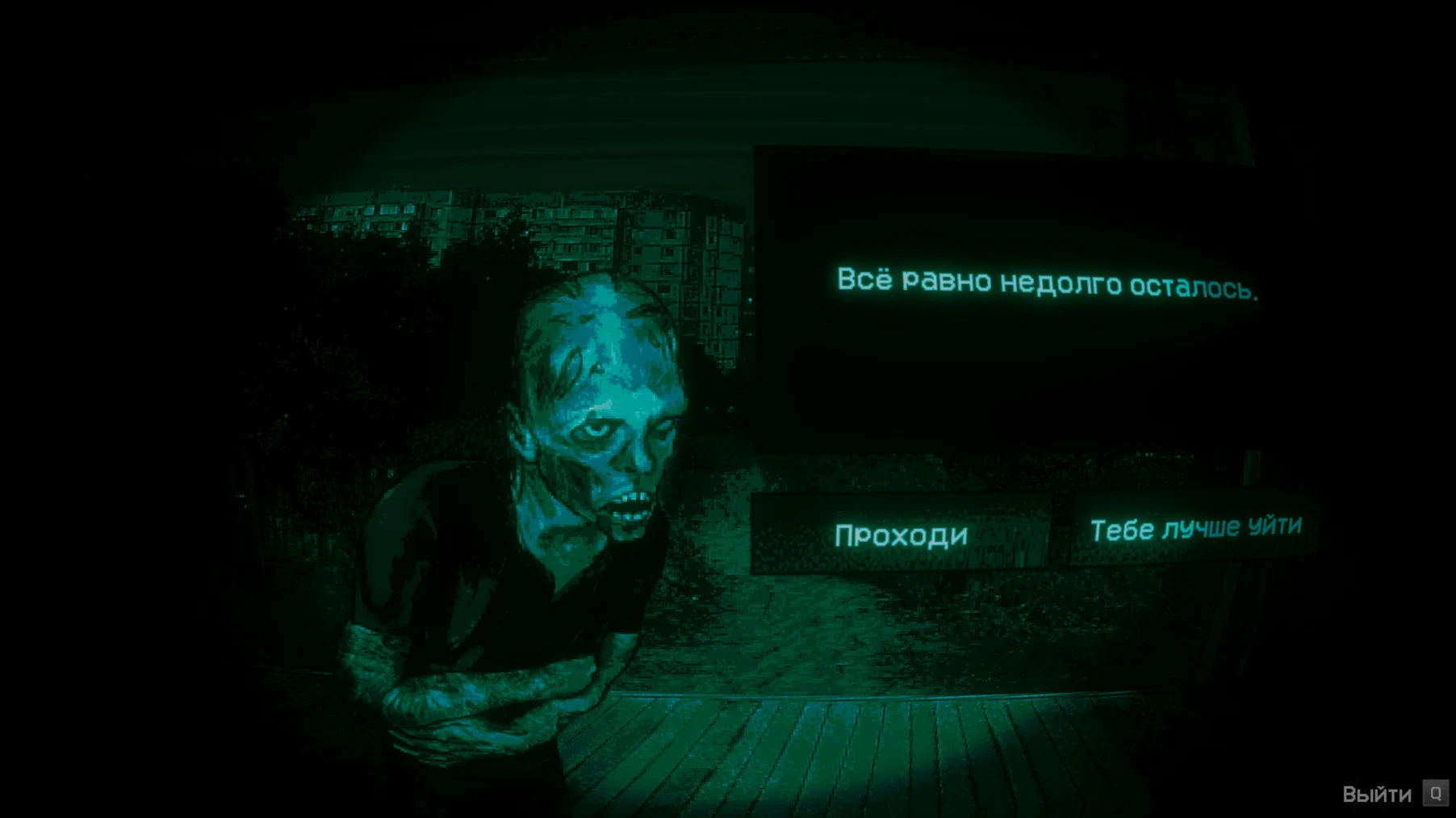
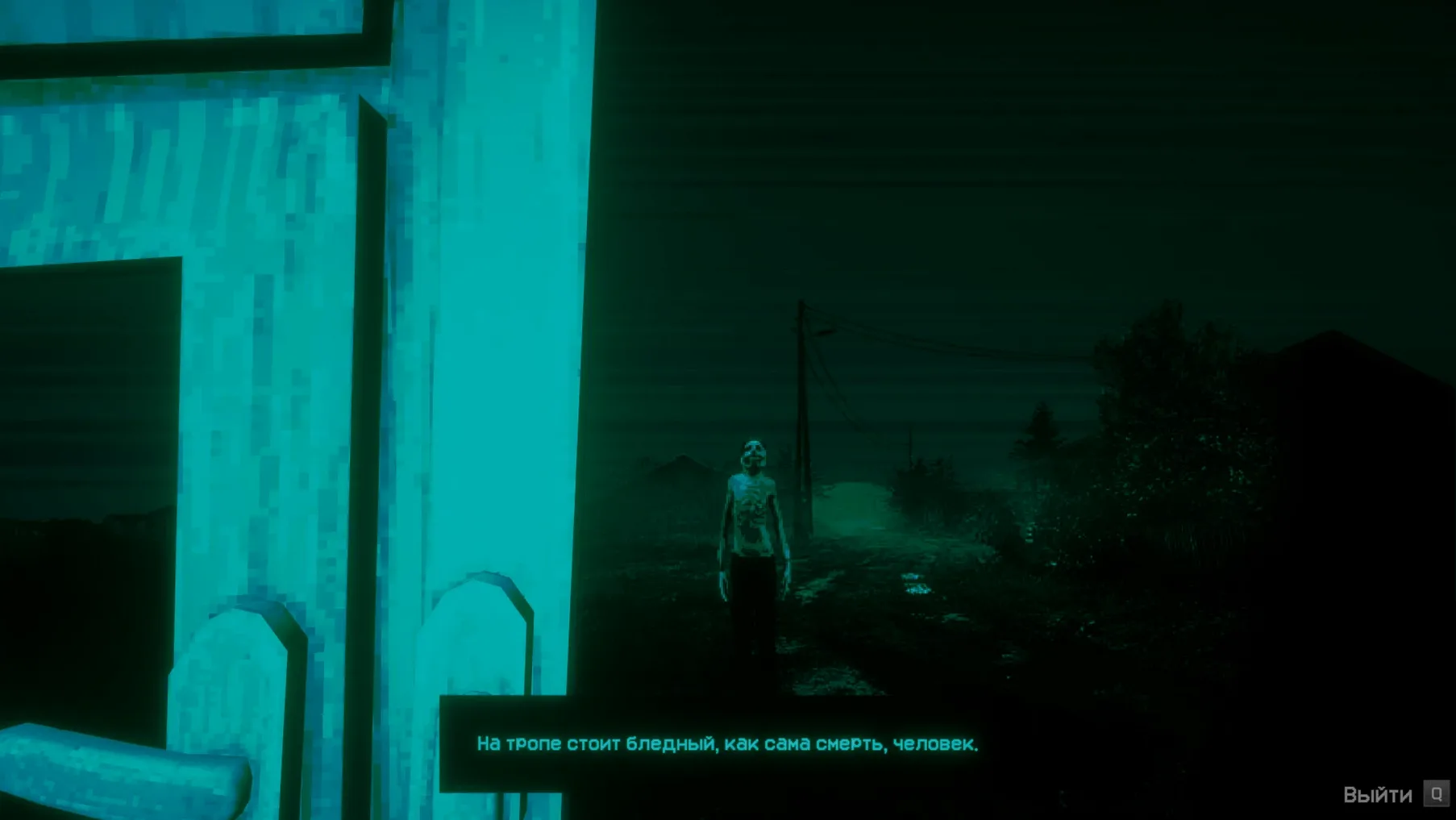
The door won't stop rattling. Thirty-seven people will stand on your porch before the night is over, and you have room for maybe a dozen. No, I'm Not a Human strips survival horror down to a single, claustrophobic act of triage: a face appears at the door, you ask a handful of questions, and you decide whether they're human enough to let inside. The world outside has already collapsed into something unspeakable, and the things wearing human skin have learned to knock.
This is a game built for players who find dread in small, accumulating failures rather than jump scares. There is no combat, no inventory management, no right answer waiting to be uncovered if you just pay close enough attention. There is only the weight of knowing you will get it wrong, that someone who deserved shelter will be left to the dark, and that the person now breathing quietly in your guest room might not be a person at all. The sounds of the house — settling timbers, distant wind, your own footsteps — are the only score. Silence does more work here than any string section could.
It won't suit everyone. If you need clear narrative resolution or the comfort of knowing that diligence will be rewarded, this game will likely leave you rattled in a way that tips past enjoyable into genuinely unsettling. The simulation framing on the Steam page undersells how little it cares about your expectations: it withholds explanation the way the night withholds morning. But for players who value atmosphere over answers, who find horror in being responsible for impossible choices, the specific ache this game creates is hard to find elsewhere.
The current Apple Silicon build runs smoothly on a Mac mini M4, though you will want to launch it in English first — the language setting can be switched to Russian afterward if that is your preference, but the initial boot expects English. A small quirk, and fitting for a game where nothing quite behaves the way you assume it will.
Mistakes that new players keep making
The most common error isn't misreading a Visitor — it's treating the questioning system as a lie-detection minigame with consistent rules. People arrive at the door and you ask them things, and on your first few runs you will naturally try to build a mental checklist. The one who blinks too slowly. The one who can't remember what day it is. The one whose voice wavers on the word "please." The game notices you doing this, and it does not reward the impulse. Some Visitors will give you every correct answer and still not be human. Some humans will stumble, contradict themselves, stare at you blankly, and it will be because they are terrified and exhausted, not because they are monsters. The moment you treat the dialogue as a puzzle to be solved is the moment the game tightens its grip.
Another early mistake is hoarding space. New players tend to admit nobody for the first several knocks, waiting for a visitor who feels unmistakably real. The problem is that the Visitors learn from your refusals. The ones who arrive later in the night have been listening to what happened to the ones before them, and the performance gets better. Holding out for certainty just means you will be making the hardest calls with the least reliable information, and by then your shelter will be half-empty and the dawn will still be hours away. A few wrong decisions early on, strangely, tends to produce a more survivable night than making no decisions at all.
Players also underestimate the importance of the people they do let in. The game never tells you this directly, but someone you admitted three hours ago might be standing in the hallway when the next knock comes, and the way they react — whether they edge closer to the door, whether they go very still — is information. The house itself becomes a kind of witness, and ignoring what is already inside in favour of staring at the porch is a quiet form of self-sabotage.
How the game fits into a broader Mac setup
Because this build uses Wineskin, the app bundle behaves like a self-contained Windows environment wrapped for Apple Silicon. That means it does not touch your system-level save folders or drop anything into ~/Library/Application Support the way a native Metal title would. Everything lives inside the app bundle, under Steam/RUNE/427410/remote. If you back up your Applications folder, you are backing up your saves. It also means the game plays well with macOS's focus modes — since it does not register as a standard windowed application in the same way a Catalyst or AppKit app would, you can run it fullscreen on a secondary display without it stealing keyboard focus from whatever reference notes you have open on the main monitor. A small thing, but useful when you are deep in a run and want to jot down a Visitor's phrasing without tabbing out.
There is no iCloud sync and no cross-device save transfer, which suits the tone of the thing perfectly. Each Mac holds its own night, its own accumulating ledger of mistakes, and nothing follows you to another machine. If you are someone who uses multiple Macs, the game becomes a deliberately siloed experience on whichever one you install it on — a single house, a single apocalypse, no cloud to carry your regrets elsewhere.
Swap the language to English first so the app launches correctly
The game defaults to a handful of choices that are worth overriding immediately. First, the language setting needs to be English on initial launch — the app expects it — but if you intend to play in Russian or any other supported language, switch it after that first boot from the in-game settings menu. The localization is substantial across all ten languages, and the dialogue's ambiguity benefits from reading it in the language you are most comfortable parsing under pressure.
Second, and more subjective: turn off any external audio processing your Mac might be applying. The game ships with music only — no voice acting, no stingers, no ambient synth beds — and the sound design relies entirely on the house and the voices in your head. If you have sound enhancement or spatial audio processing enabled through macOS or third-party utilities, disable them for this app. The creaks are quieter than you think, and the silence between knocks needs to be absolute. On a Mac mini M4 running Tahoe, the built-in speaker does a surprisingly good job with the low-end rumble when something heavy shifts elsewhere in the house, but only if nothing is "enhancing" it into mud.
Lastly, consider dialing your display brightness down a touch more than you normally would for a horror game. The night scenes are graded with a deep, almost crushed black point, and the porch light only reaches so far. Playing in a bright room on a bright screen will wash out the periphery, and the periphery is where this game does some of its subtlest work.
Version 1.3.19 Rev2 arrives as a hotfix addressing Steam Cloud save recovery on Steam Deck, alongside minor corrections to the Ukrainian localization. The Wineskin-wrapped ARM build carries those fixes forward for macOS players.
- macOS Tahoe or newer
- Apple Silicon (ARM build)
Questions from the booth
It is an anxiety horror game with no combat and no monsters on screen — the horror comes from making impossible judgment calls about who to let into your home during an apocalypse.
Yes, the current 1.3.19 Rev2 build runs on ARM architecture and has been tested on a Mac mini M4 with macOS Tahoe.
The interface is available in ten languages including English, Russian, Japanese, French, and Korean; the audio is music-only with no spoken dialogue.