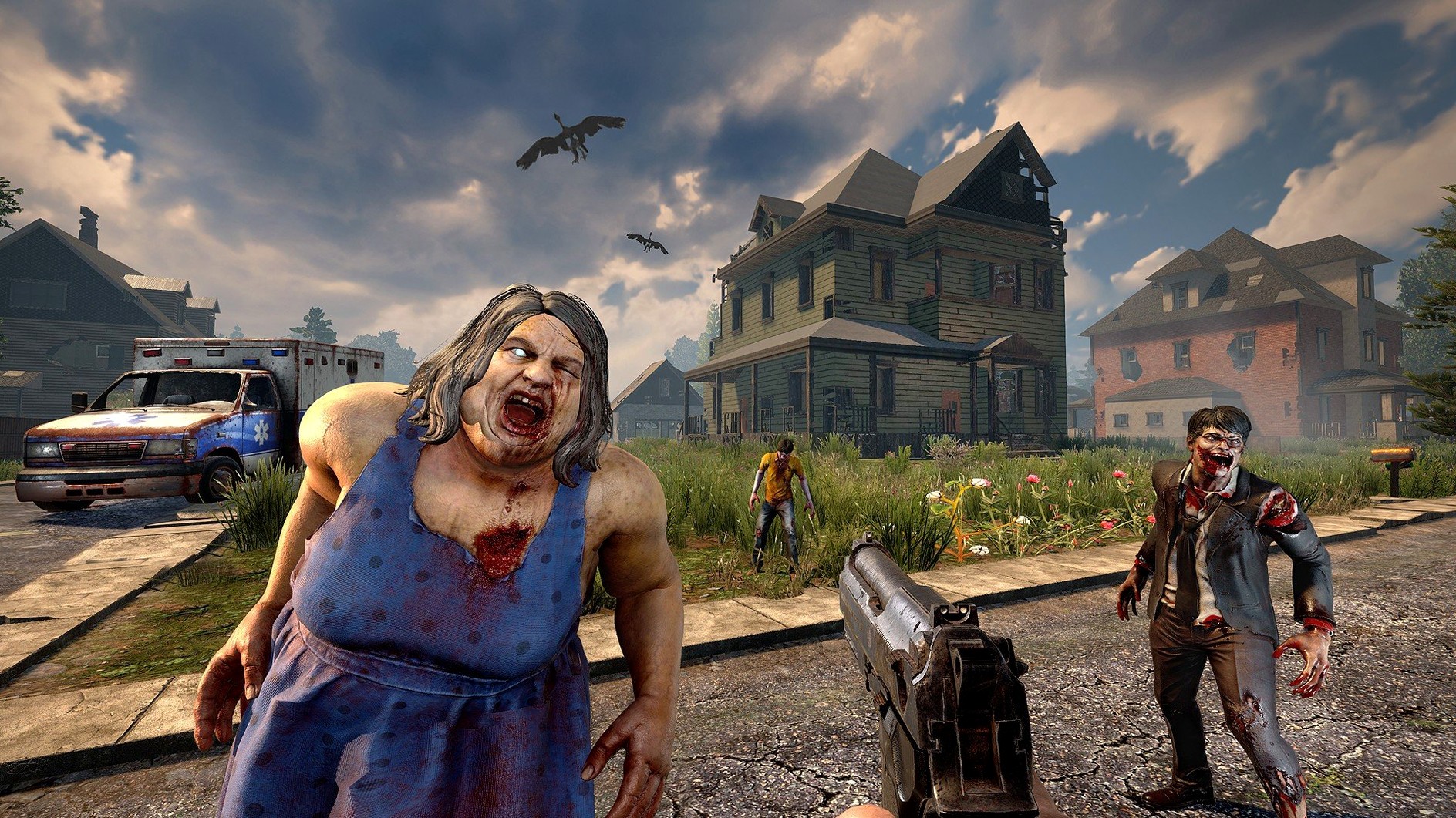
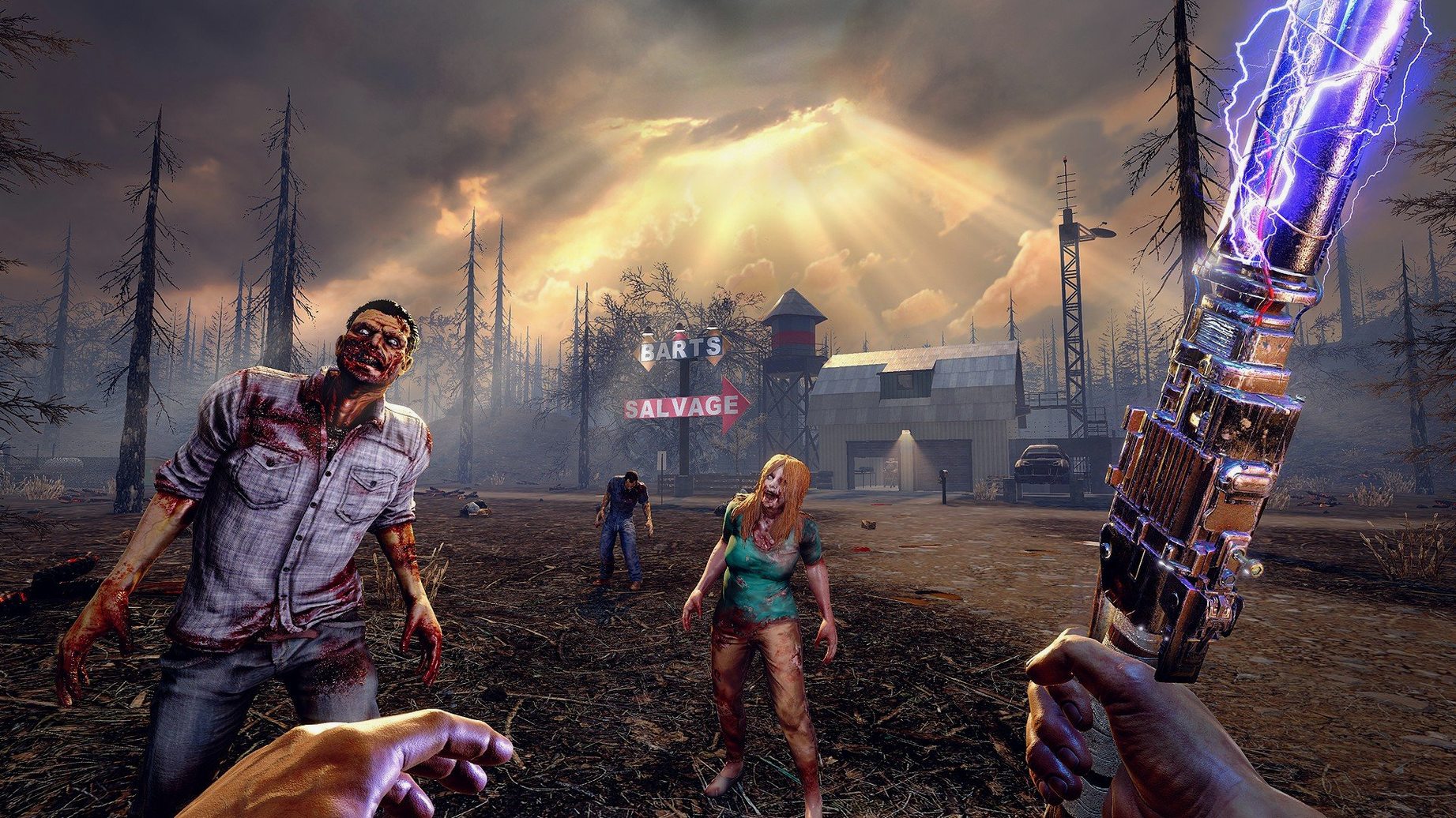
Version 3.2.0.B10 arrived with a pair of quietly telling changes: trader doors now swing open to a vehicle horn, and some player-gear textures that were hoarding memory got reined in. The combine-station UI also received a rethink. It is the kind of update that speaks to a game still tightening its bolts after a decade of early-access evolution—one where the smallest mechanical tweak can ripple across a hundred-square-kilometre world.
What does the first hour actually look like?
You wake in a procedurally scattered biome with nothing but your fists and a fading sliver of daylight. The first twenty minutes are a silent scramble: punch grass into fibre, chip stone with stone, scour kitchens for a dented cooking pot. A starter quest chain nudges you toward a trader, but the real momentum comes from your own clock—you are racing the sunset, because nightfall belongs to the dead.
How does building and crafting work moment to moment?
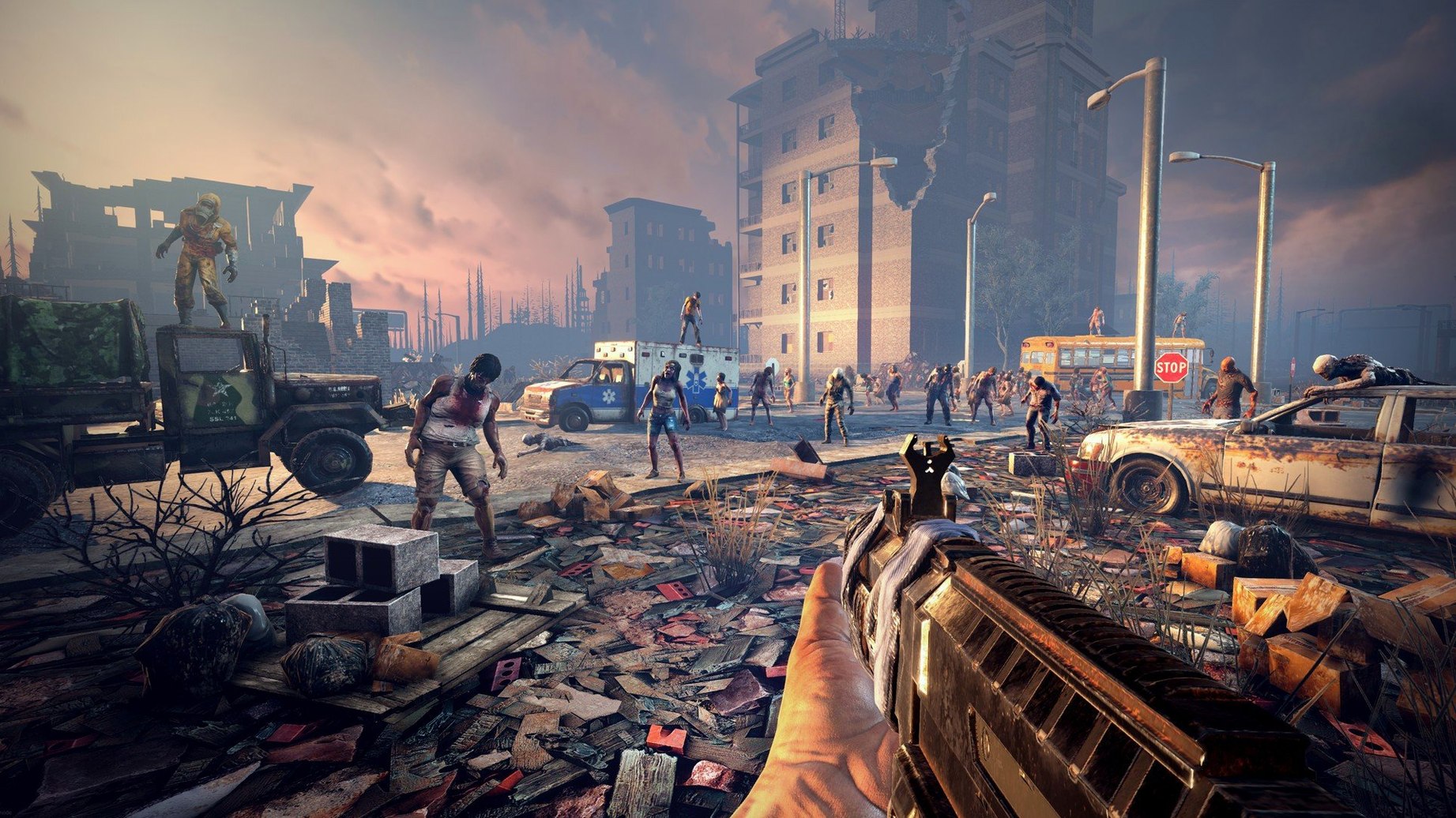
Every structure in the world obeys its own physics. Chop a load-bearing wall and the floor above genuinely bows, creaks, and can pancake into rubble—yours included. Crafting is frame-by-frame: you place wooden blocks, upgrade them to cobblestone, then concrete, then forged steel if you survive long enough. The painting system lets you brush textures onto any surface, and vehicle parts let you assemble and customize everything from a rattletrap bicycle to a gyrocopter for scouting runs.
What keeps the scavenging loop interesting?
More than a hundred skill-granting books are tucked into mailboxes, cracked sinks, and zombie pockets, each one rewarding you for leaning into a playstyle. Nearly fifty buffs and illnesses—from dysentery caught from murky water to the morale lift of a well-cooked meal—mean your character sheet is always shifting. Farming and hunting fill the gaps between supply runs, turning a barren patch of dirt into a quiet, necessary ritual.
Who really feels at home in Navezgane
This is not a game that holds your hand, and certain Mac users will feel that absence as either a warm invitation or a cold shoulder. If you are the kind of player who keeps a mental map of every boarded-up shotgun-messiah store you passed three in-game days ago, or someone who gets more satisfaction from wiring a motion-sensor turret than from pulling a trigger, the loop will sink its teeth in deep. Co-op groups on voice chat—three to five people who trust each other to specialize, one on engineering, another on farming, a third riding out as scout—get the richest version of the experience, because the skill books naturally push you toward interdependence. Solo players who treat the world as a long, slow engineering problem also thrive: there is a meditative rhythm to reinforcing a single base over dozens of hours, learning exactly which wall the irradiated wights favour on the fourteenth horde night. The people who bounce off it tend to be those looking for a tight narrative arc or a combat system that rewards precision aim over frantic, backpedalling improvisation. This is a game about systems rubbing against each other, and the story is whatever you build, lose, and rebuild.
Dusk outside the water plant is already a mistake
You log in around dusk, which is already a mistake. Your base—a converted water-treatment plant with a moat of wooden spikes—sits on the edge of the burnt forest biome, and the air outside is the colour of charcoal. The morning was spent looting a hospital two kilometres west, so your inventory is heavy with medical supplies and a single bottle of acid you need for the chemistry station. Step one is always the same: unload everything into labelled storage crates, because horde night is two days away and a cluttered backpack gets you killed. You check the generator; it is at sixty percent fuel, so you pour in another can of gas and listen to it cough back to life. The electric fence around the inner courtyard flickers, holds. Step two: repair the spike traps the last roaming cop zombie damaged, which eats through twelve forged iron and a chunk of your repair-kit durability. Step three is the quiet one—you climb to the roof with a hunting rifle, crouch beside the campfire, and scan the treeline while a pot of yucca juice boils beside you. The game's sound design is mostly music, but the silence between tracks is where the tension lives: a distant groan, the snap of a twig, then nothing. Around midnight you hear a bear somewhere in the dark and decide the gyrocopter can wait until morning. You log out with your traps intact and your heart rate slightly higher than it should be.
Double-click and play without touching your second desktop
The game runs as a self-contained package—drag it to Applications, launch it from deep inside the bundle, and it asks nothing else of macOS. It coexists easily with the apps I keep running on a second desktop: a notes window for tracking which trader has a crucible in stock, sometimes a lightweight audio recorder if I am capturing foley for a short and just want the ambient crackle of a campfire in the snow biome. The 7 days torrent scene around this build is active, and if you are hunting down a 7 Days to Die torrent or a 7 Days to Die download torrent for Mac, the community tends to surface versions that already include the long-accumulated patches—this 3.2.0.B10 package arrives ready to unzip and play, and a quick permissions check on the bundle ensures it launches without friction. Some players keep a 7 Days to Die 2.5 torrent around as a fallback for older mods that have not caught up to the current build, but the reworked combine-station UI in this version alone makes the jump worthwhile if you craft often. Beyond the launcher, the game plays well with macOS screen-sharing during co-op planning sessions: one person shares their map view while the others sketch out where the next blood-moon kill corridor should funnel the horde. It is a strange, satisfying fit—a brutal survival game running quietly on a Mac, tucked between a script draft and a half-finished film score.
The 3.2.0.B10 update lets you pop open a trader's door by sounding your vehicle horn, reworks the combine-station interface for clearer crafting, and patches a handful of player-gear textures that were quietly chewing through more video memory than they should.
- macOS 10.13 or later
- Intel or Apple Silicon Mac
- 8 GB RAM
- 15 GB available disk space
- 2 GB dedicated graphics memory, DirectX 11
- Broadband internet connection
Questions from the booth
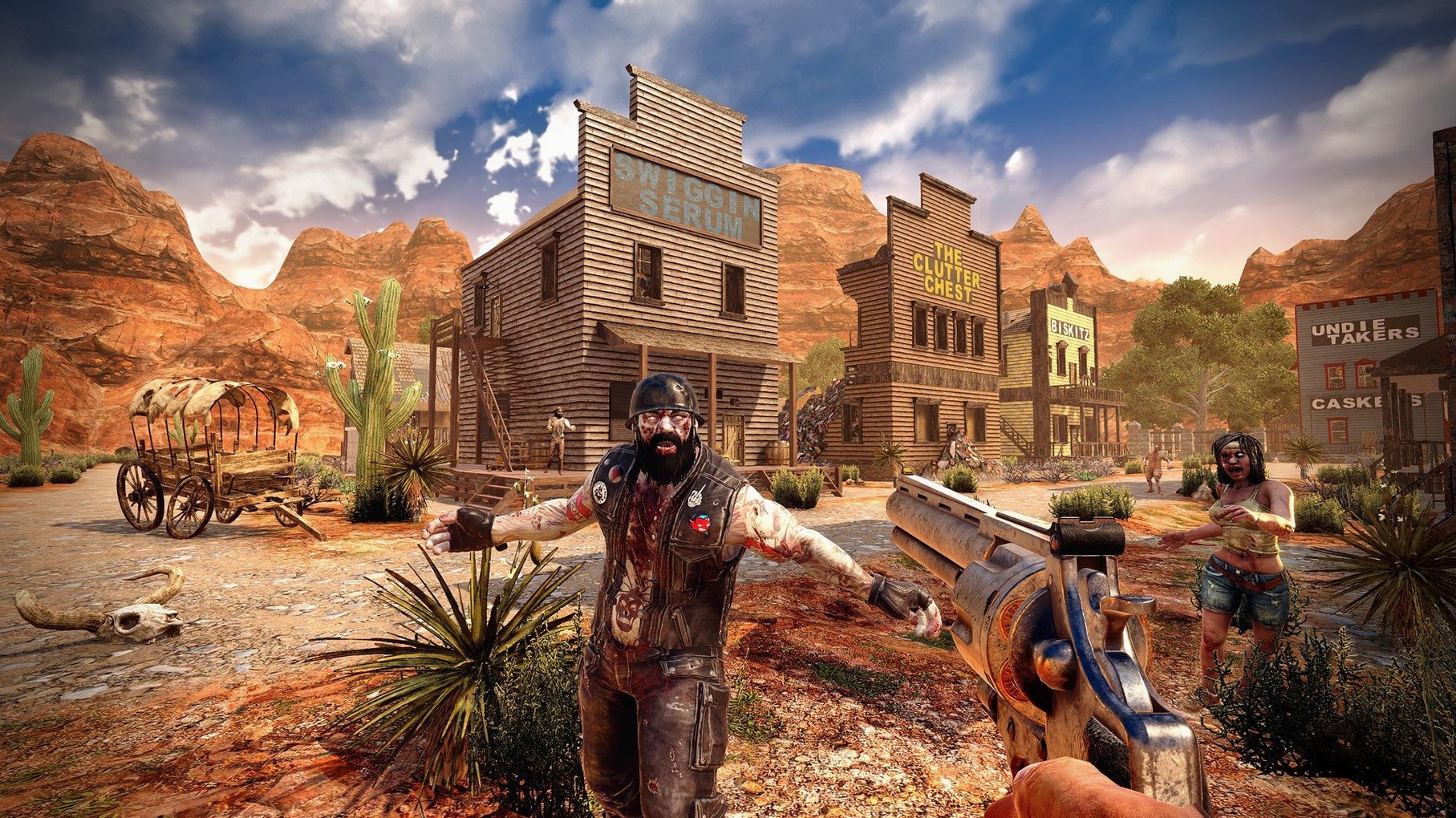
Generated worlds can stretch up to 100 square kilometres, with towns, traders, and biomes stitched together by a noise-based seed system.
Yes, the current build runs on both Intel and Apple Silicon Macs, with testing confirmed on a 2024 M4 Mac mini under macOS Tahoe.
Sound design leans almost entirely on environmental audio and a restrained music accompaniment—footsteps, distant groans, and the low creak of a settling building do the heavy lifting.