This is for the player who finds most rhythm games a little too forgiving. The musician who hears when a beat grid slips by a few milliseconds. The person who spent an hour chasing a perfect clear on a single pattern and felt calm, not frustrated, doing it. If you want flashy cutscenes or narrative context, look elsewhere. This is a laser-focused timing test dressed in a clean, space-themed presentation.
Reading the track ahead
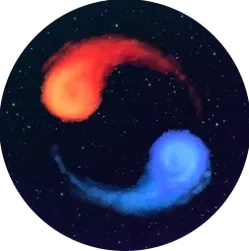
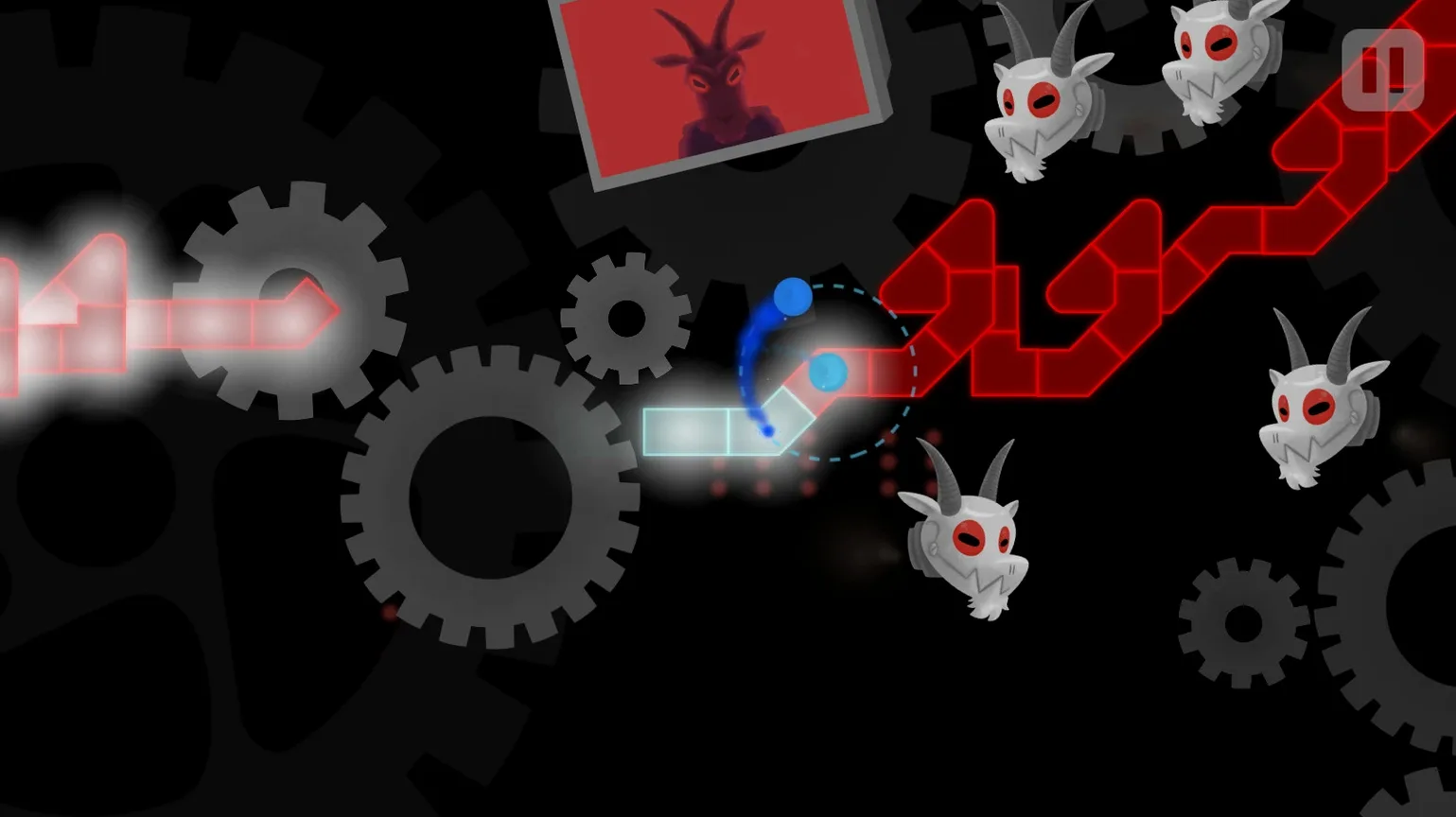
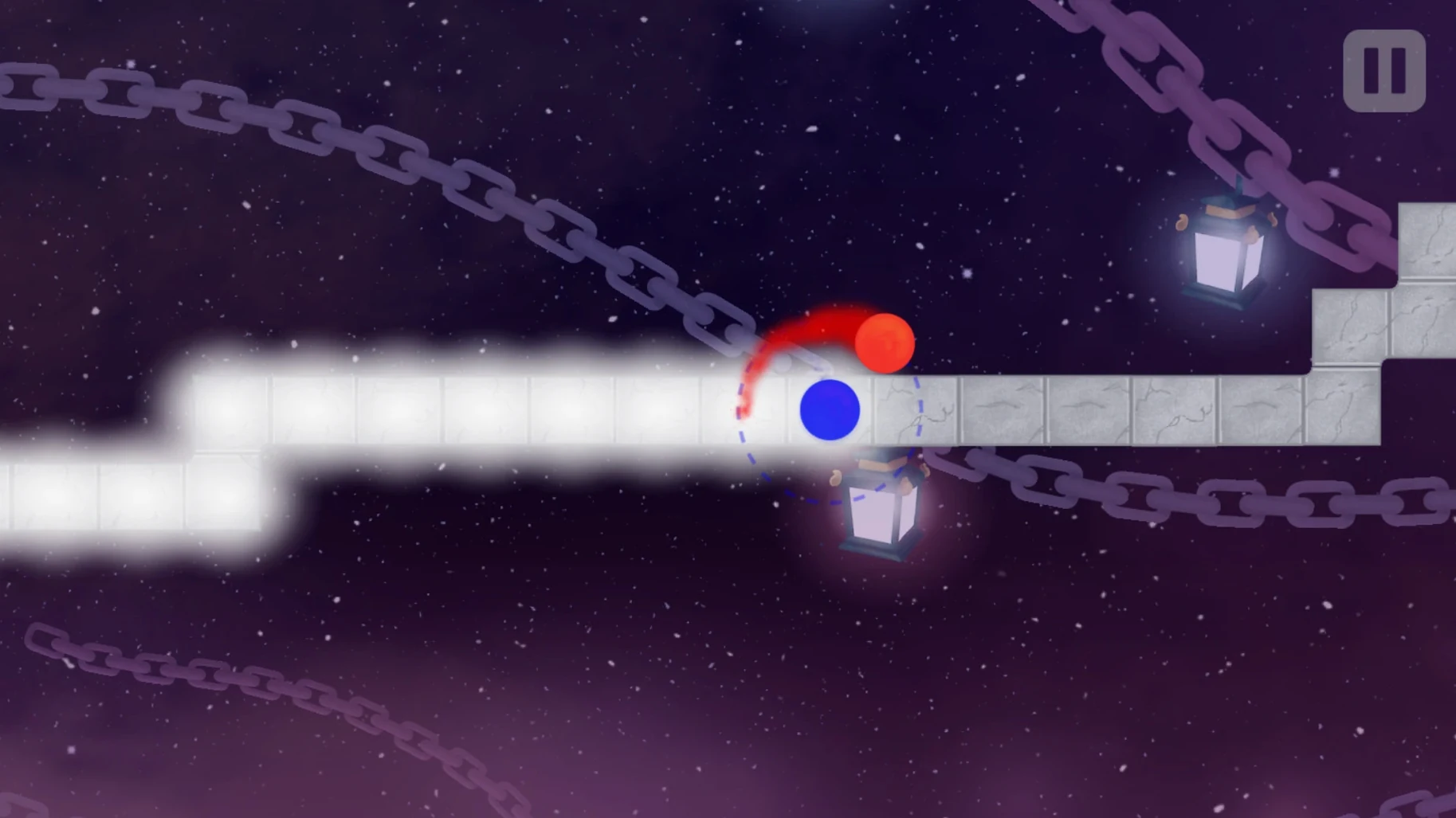
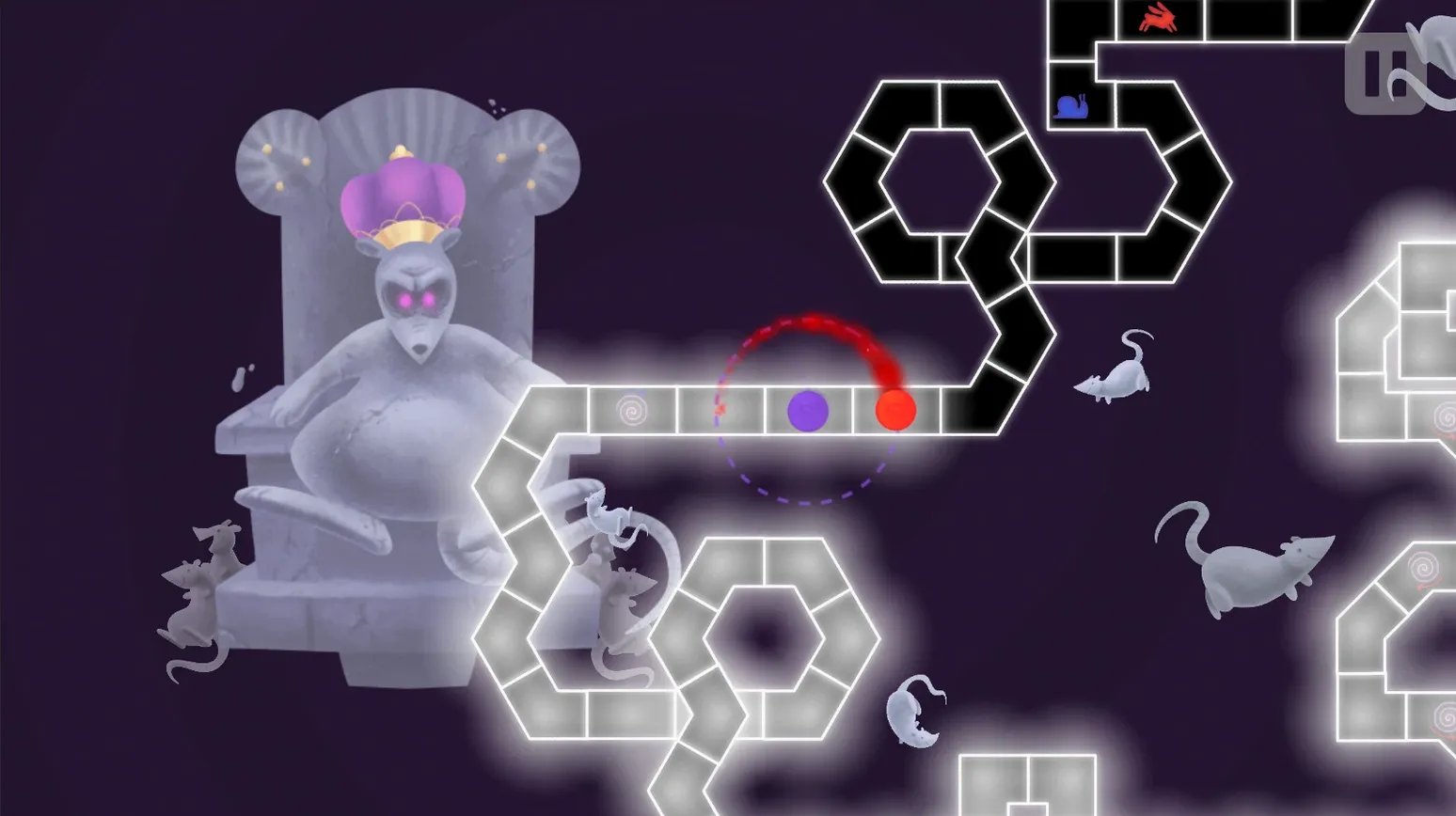
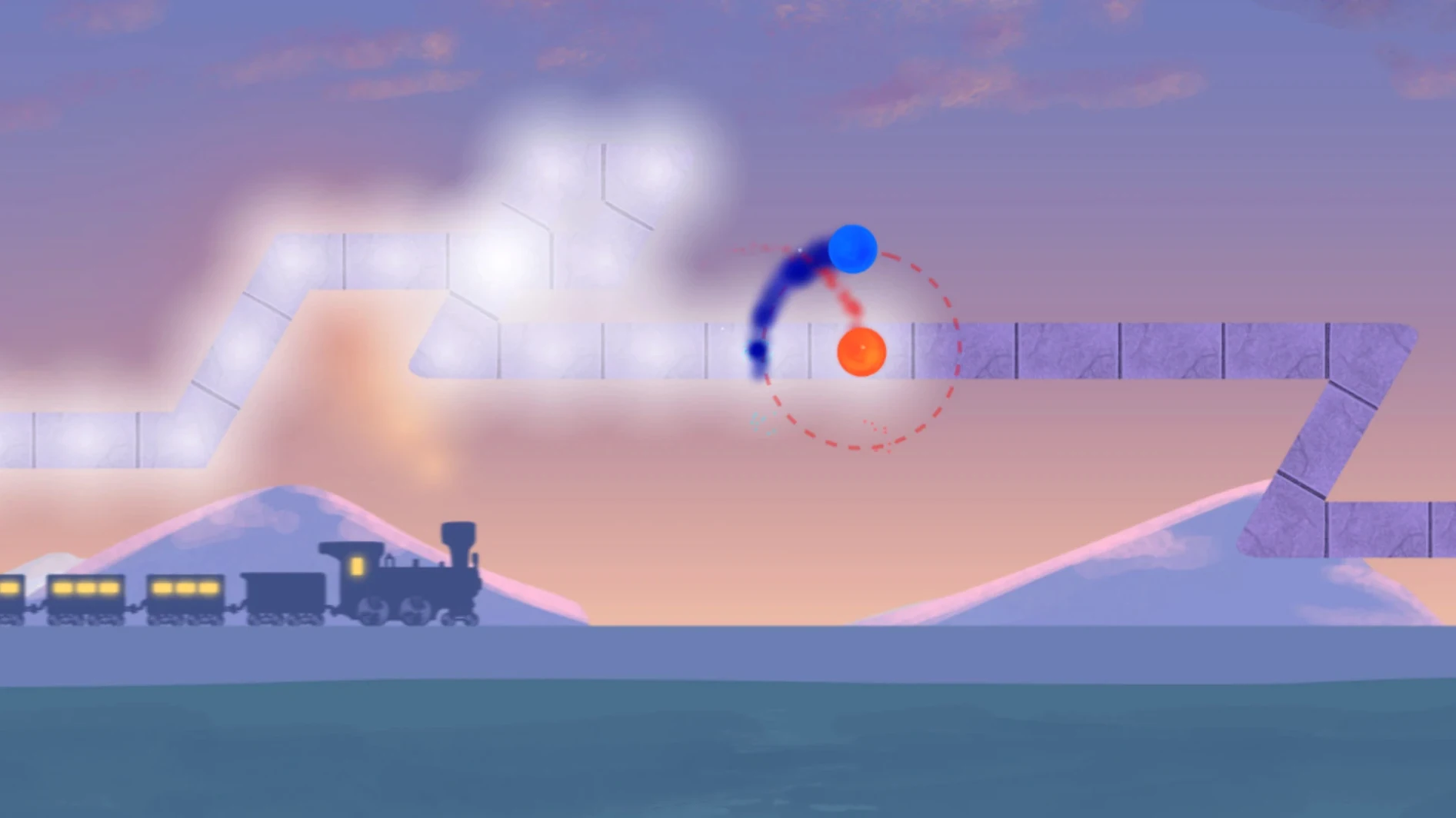
The interface shows every incoming beat as a geometric shape on a winding path. Press your single button exactly on the beat to keep two orbiting planets moving along the line. There is no visual noise to hide behind — the geometry is the music, and each pattern carries its own distinct rhythm.
Why drift doesn't get in the way
Many music games let tiny timing errors accumulate until the audio and your inputs feel disconnected. This one was built to be time-accurate, and the automatic calibration keeps that tightness consistent across sessions. What you hear and what you press stay locked together.
Living with the patterns
The real satisfaction comes from learning shapes that initially seem impossible. A new level like Dramatic Entrance, added in version 3.3.1, joins a roster where every track teaches its own rhythmic logic. Playable in over a dozen languages on both Apple Silicon and Intel Macs, it is a quiet, demanding space for anyone who simply wants to press a button at the right moment.
One-button precision that pulls in the Rhythm Doctor crowd
Put it next to Rhythm Doctor and the comparison writes itself. Both strip rhythm gaming down to a single button, both care deeply about calibration, and both attract players who would rather master one timing window than juggle six lanes of falling notes. The difference is in the geometry. Rhythm Doctor builds its patterns around visual distraction and narrative beats; A Dance of Fire and Ice gives you a clean line, a pair of orbiting planets, and nothing else to look at. One is a story wrapped in rhythm. The other is rhythm as pure information.
Thumper sits at the opposite end of the spectrum — a single-button rhythm game in name only, because the violence and speed of its audiovisual assault make it feel like a different medium entirely. Thumper wants to overwhelm you. A Dance of Fire and Ice wants you to lock in and breathe. If Thumper is a panic attack scored to industrial noise, this is a metronome drifting through space. Players who find Thumper too aggressive often find their footing here, and vice versa.
Then there is osu!, which offers endless custom content and a famously steep skill ceiling. The Steam Workshop support here scratches a similar itch for community-made levels, but without the mouse-and-tablet precision osu! demands. The input model is simpler — one press, one beat — yet the rhythmic complexity can still reach the same punishing heights.
A visual rebuild that subtly reshapes memorized paths
The full visual overhaul of 3-X is not a minor texture swap. Those who had memorized the old version of that world will notice the geometry feels sharper, the colour palette more deliberate, and the path itself slightly easier to read at speed. It is the kind of change that does not announce itself in patch notes — you simply notice you are squinting less during fast triplet sequences. Dramatic Entrance, the new level added alongside it, slots into the repertoire with a pattern structure that rewards players who have internalized off-beat accents from earlier stages.
Musicians tap in because calibration respects millisecond instincts
Musicians, unsurprisingly, take to it quickly. The one-button constraint mirrors the tactile simplicity of tapping a foot or counting a pulse, and the calibration tools respect the kind of timing sensitivity that makes a drummer wince at a 15-millisecond lag. If you have ever adjusted a DAW's buffer size because something felt loose, you will appreciate what the manual calibration slider offers here.
Speedrunners and perfect-clear hunters form the other natural audience. The game does not punish experimentation — restarting is instant, and the track layout means you can see exactly where your timing broke down. For Mac users who want a rhythm game that runs natively on Apple Silicon without Rosetta translation or audio-driver workarounds, this is one of the few titles where the technical foundation matches the design ambition. A dance of fire and ice mac torrent searches sometimes lead people here expecting a casual diversion; they tend to leave with sore wrists and a new obsession.
Version 3.3.1 introduces a new level called Dramatic Entrance and gives the 3-X stage a full visual overhaul, refreshing one of the game's core sequences.
- Architecture: Apple Silicon and Intel (64-bit x86)
Questions from the booth
It includes an automatic calibration system, so the visuals and audio stay tightly locked without manual tweaking.
It uses a single-button input — you press on each beat to move along the track, making it simple to learn but demanding to master.