The current build wraps the game in Wineskin REV 1, bringing a tested path for Apple Silicon Macs. ProjectMoon's narrative-driven card battler lands in a library that sits outside the 26 districts of a dystopian City, and you play its new proprietor. Guests arrive with their own stories and grudges; invitations are rarely refused.
Apple Silicon feel and the three languages it ships in
- Apple Silicon native feel via Wineskin. The wrapper ran cleanly on a Mac mini M4 under macOS Tahoe, with turn-based card clashes and menu navigation staying responsive.
- Language and voice. The interface ships in Russian, English, Simplified Chinese, Korean, and Japanese. Voice acting is Korean, and you can switch the text language in the settings after the first launch.
- Soundtrack. Mili and Studio EIM composed the score, and the Wineskin build carries it without audio glitches in testing.
- If a launch error appears. Run the Fix file included on the disk image before trying again.
How the library plays
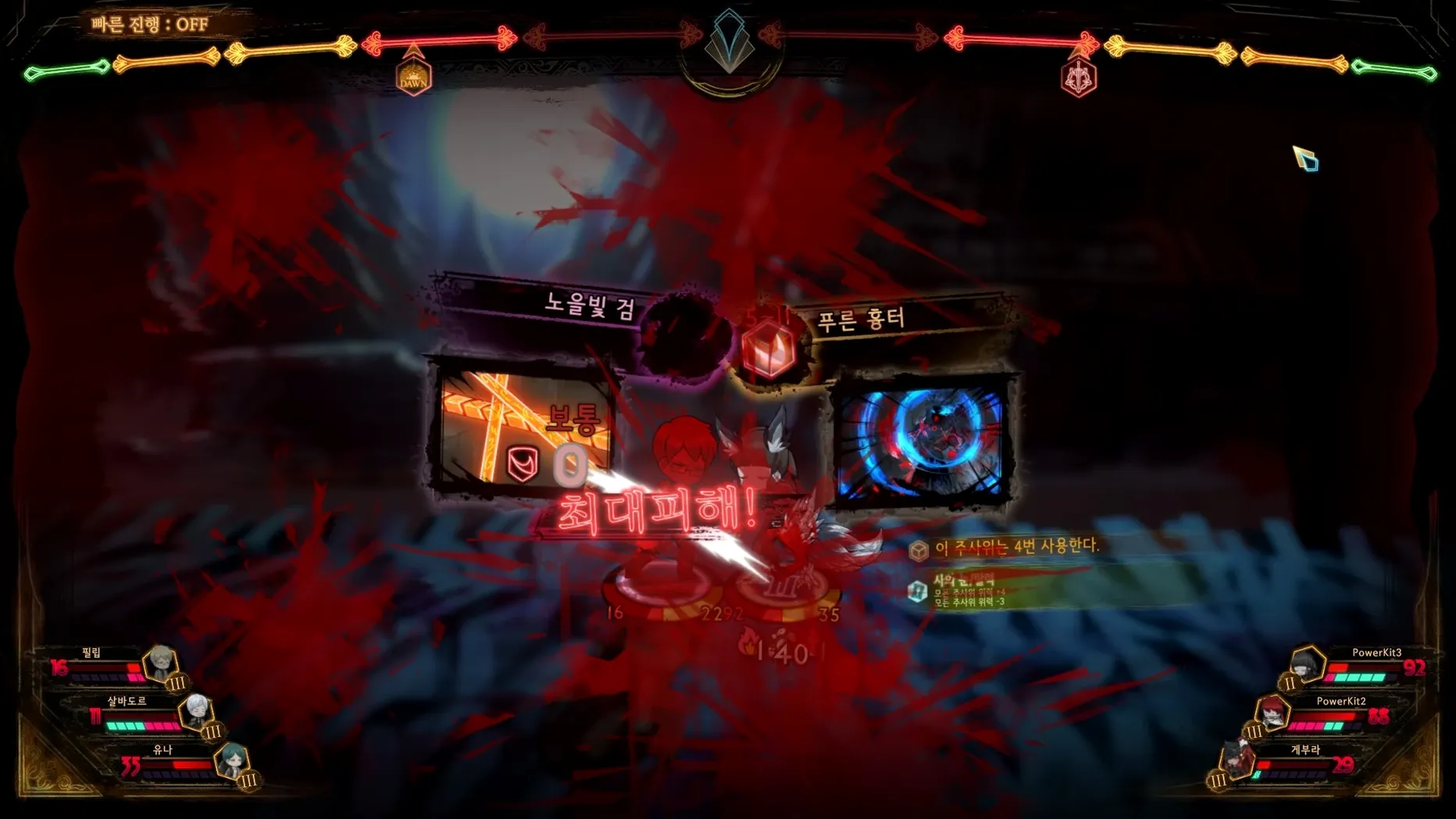
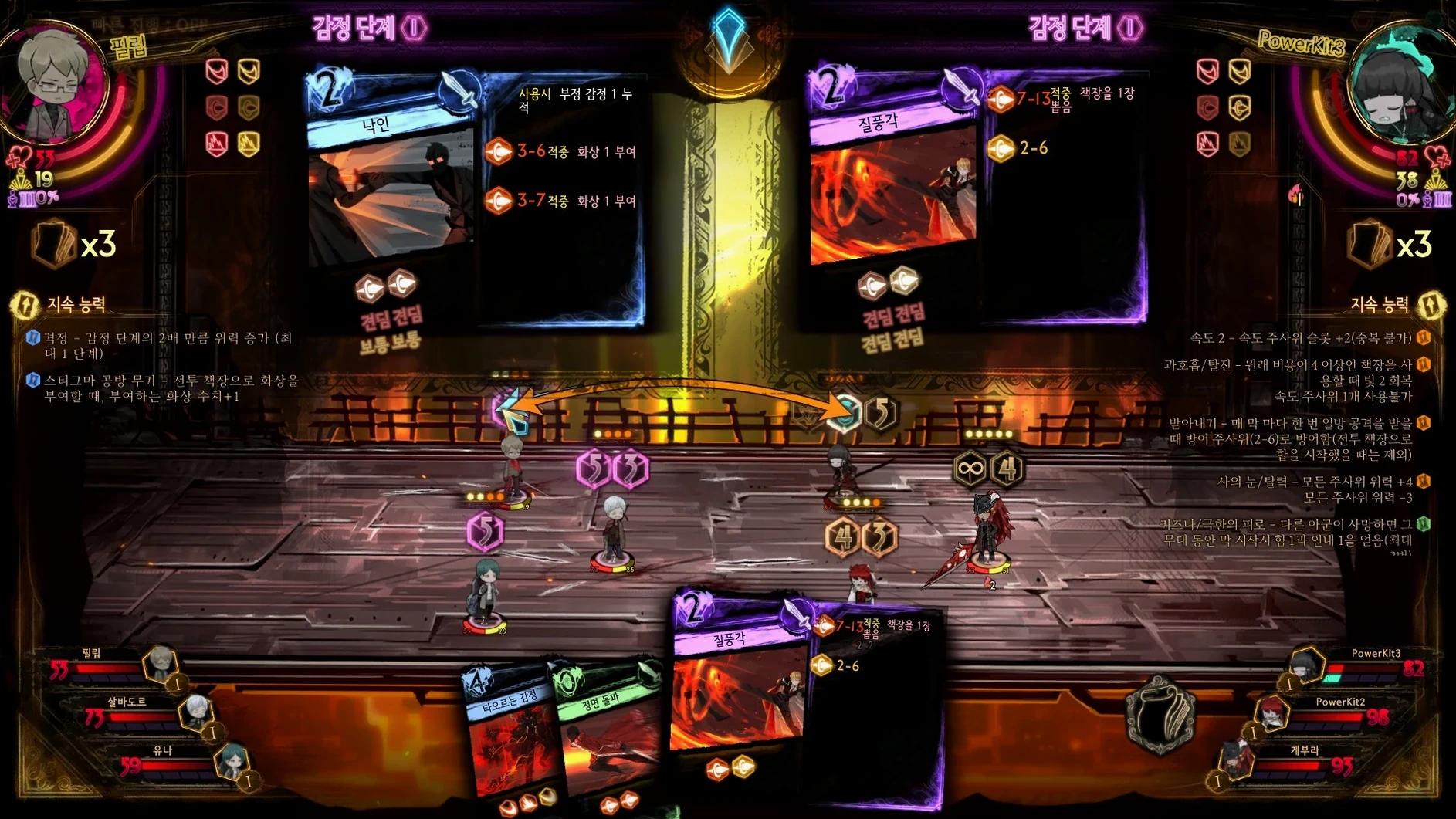
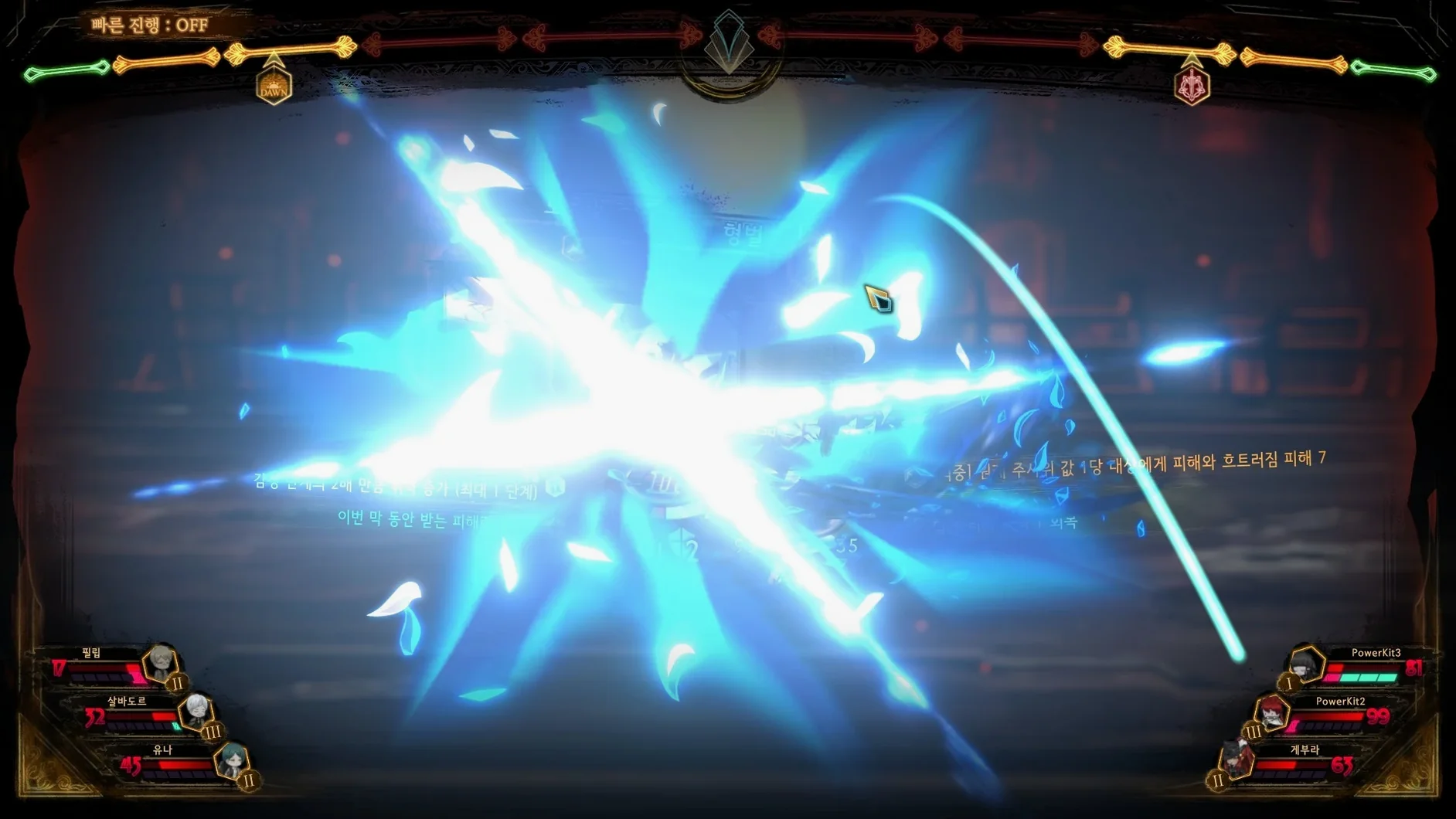
Battles unfold as deck-building encounters where you receive guests, clash with their pages, and turn their stories into new volumes for your collection. The build label notes a multilingual version for all listed languages except Russian, alongside a separate Russian build, so swapping in the settings covers most players. The turn-based pacing suits the Wineskin translation layer well—no dropped inputs were observed on the M4 mini, and the atmospheric UI reads clearly at the library's desk.
Right-click a portrait to quick-swap key pages
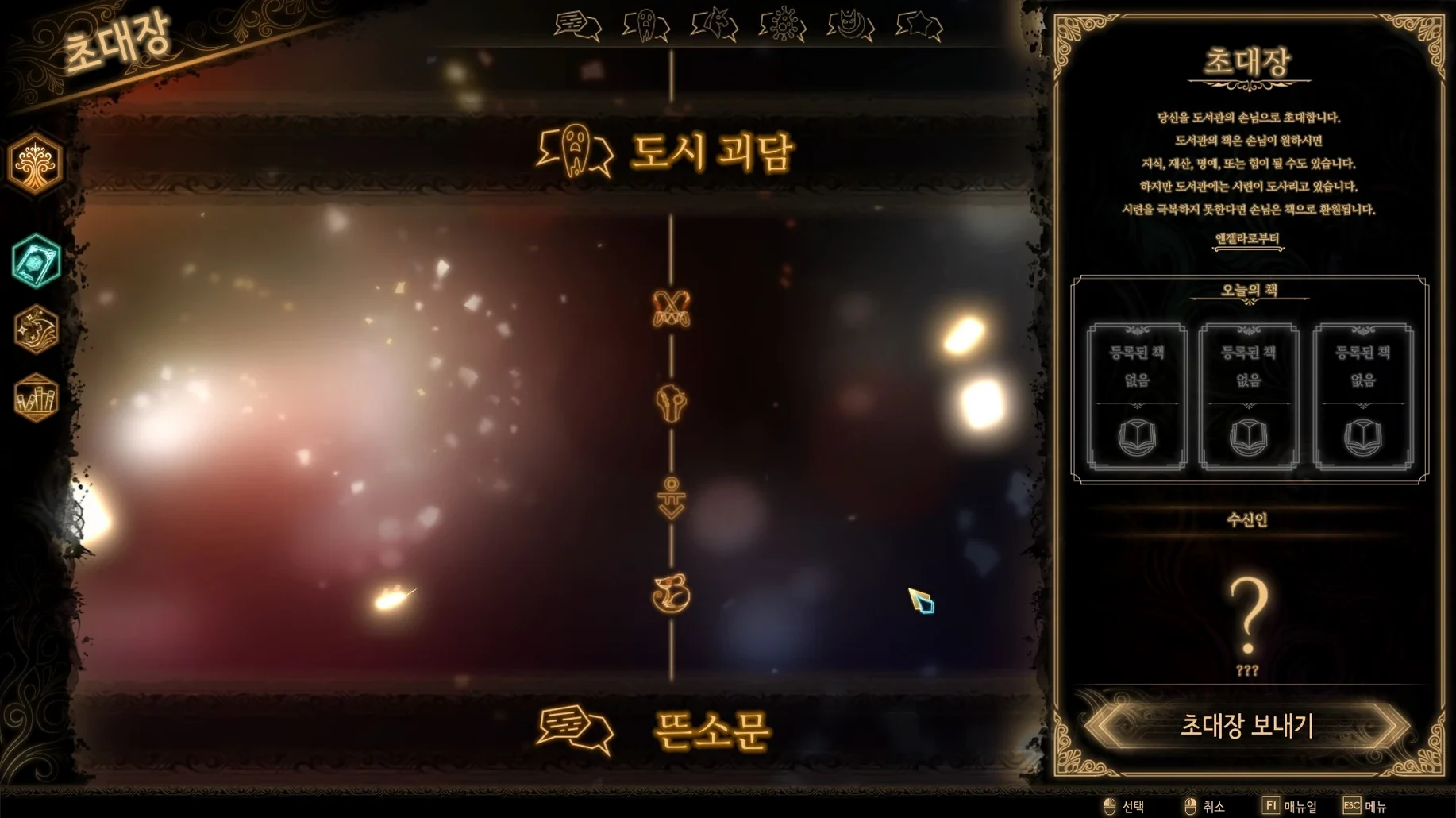
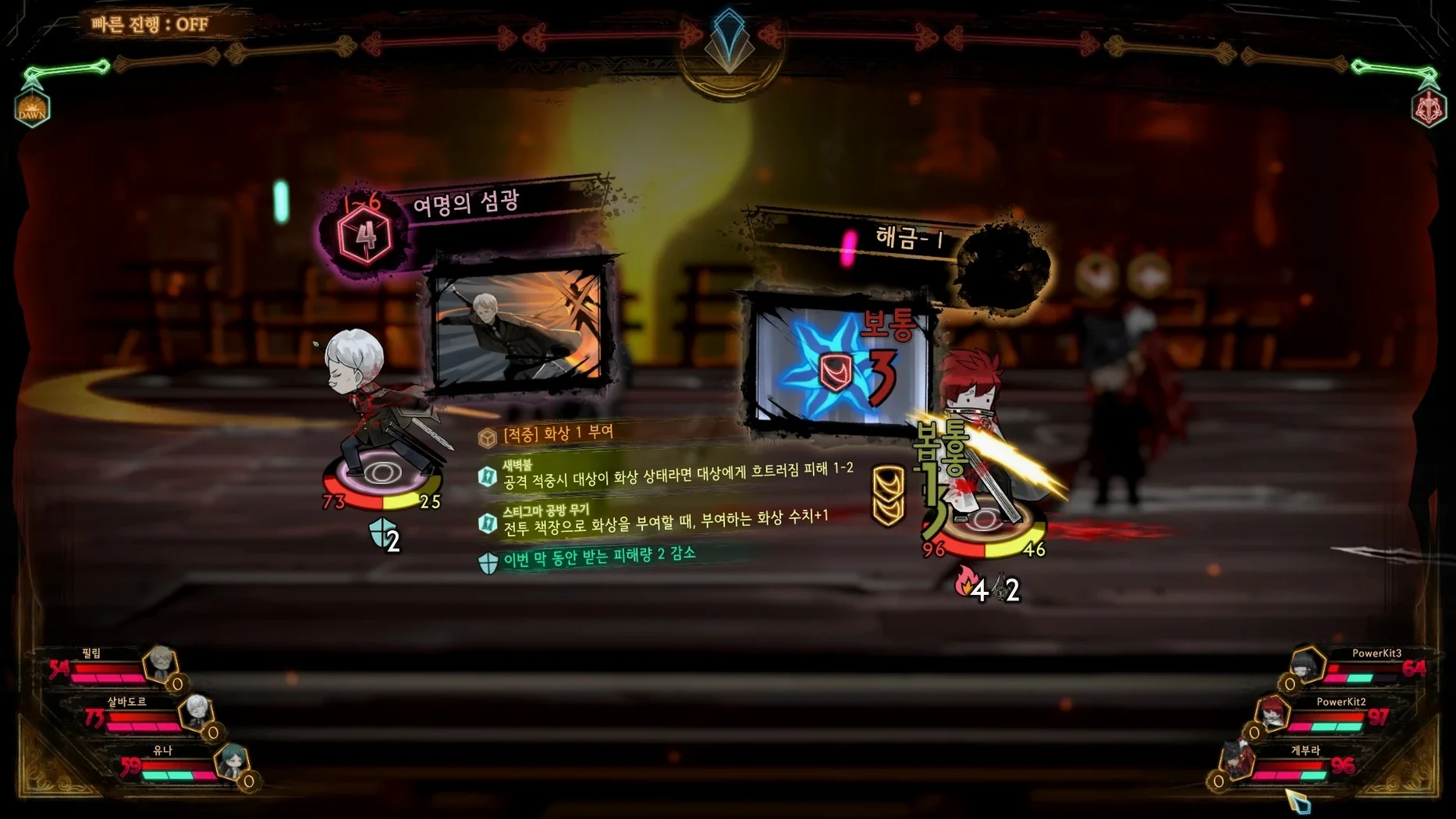
Hovering over an enemy's combat page on the clash preview shows exactly which die will meet yours, but the game never spells out that right-clicking a librarian's portrait during deck assembly opens a quick-swap menu for equipped key pages. That alone cuts minutes off rebuilding floors between receptions. Another quiet shortcut: holding Shift while clicking the "Invitation" button lets you re-challenge a previous guest list without re-selecting each book—perfect when a single abnormality page is all you need to farm. The emotion coin counter in the lower-right corner isn't just decorative; clicking it mid-battle expands a breakdown of every emotion tier active on the field, which matters more than it sounds once you're juggling E.G.O. pages across five librarians.
Curating the Floor of Literature with passives from three key pages
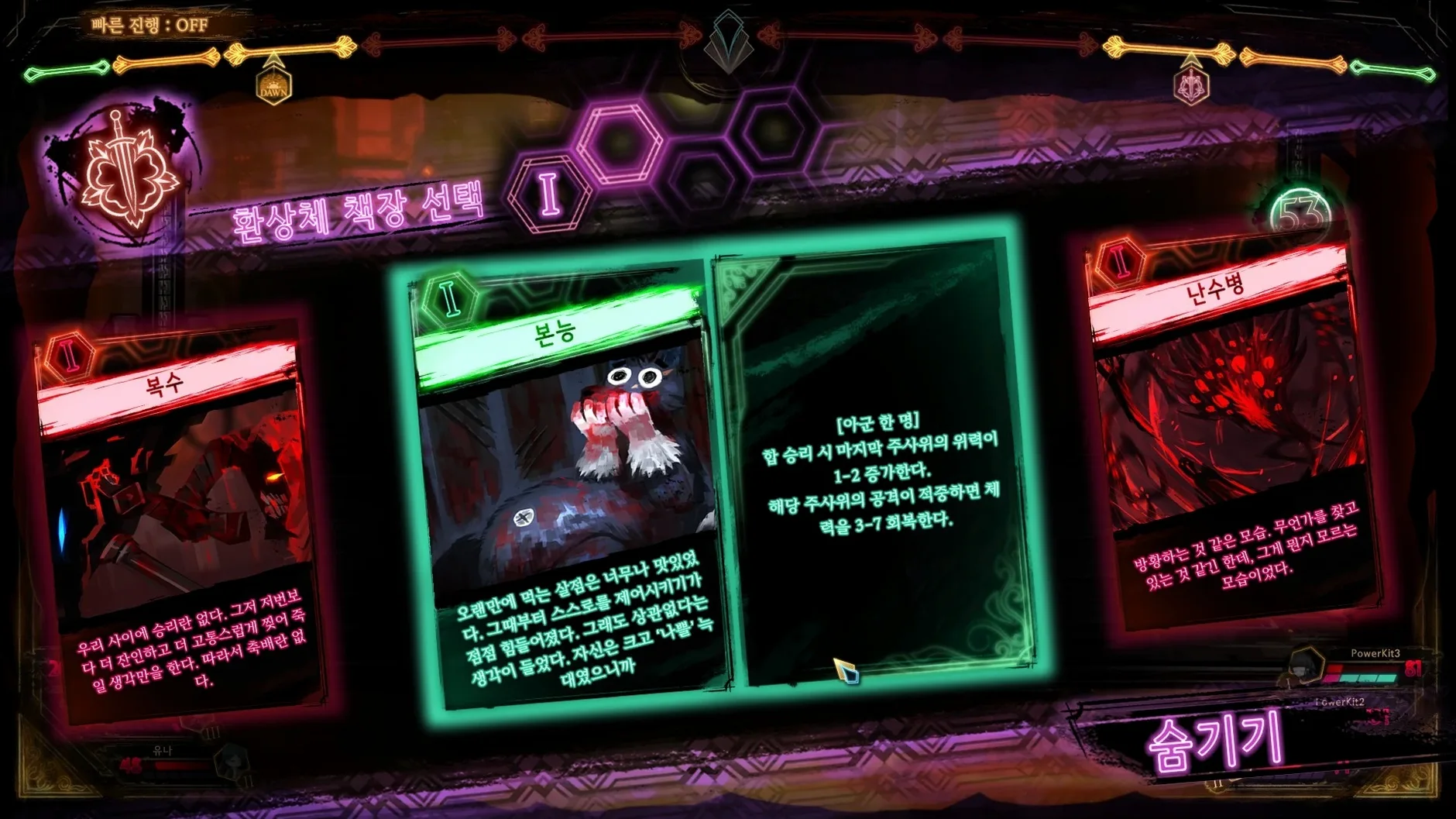
Imagine someone who spent forty hours in Lobotomy Corporation and now treats Library Of Ruina as their evening unwind. They are not speedrunning—they're curating the Floor of Literature, swapping passives from three different key pages onto Hod's librarians to see if a bleed-stagger hybrid build can clear a late-urban-nightmare reception without losing a single act. The Wineskin build serves them well: they drag the app onto a MacBook Air, run the Fix file once, and pick up their save from the exact clash that sent them to bed the night before. Between attempts they dip into the art book section of the menu, reading flavour text from key pages they have not equipped in weeks, because the library rewards curiosity with lore tucked into item descriptions most players scroll past.
A theatrical campaign where your deck never resets
Next to Slay the Spire, ProjectMoon's game feels less like a roguelike and more like a theatrical campaign with deck-building as its staging. Where Slay the Spire resets your deck every run, Library Of Ruina expects you to carry builds across a long narrative, closer in structure to Inscryption's cabin act than to a pure card crawler. Against Darkest Dungeon, the emotional layer replaces stress management—your librarians gain power as tension rises, rather than crumbling under it. The Wineskin wrapper puts it on ARM Macs without native porting, which neither of those titles needed, but the trade-off is a game that blends visual novel pacing with turn-based card clashes in a way none of its peers attempt at this scale.
- Architecture: Apple Silicon (ARM)
- Wineskin build included