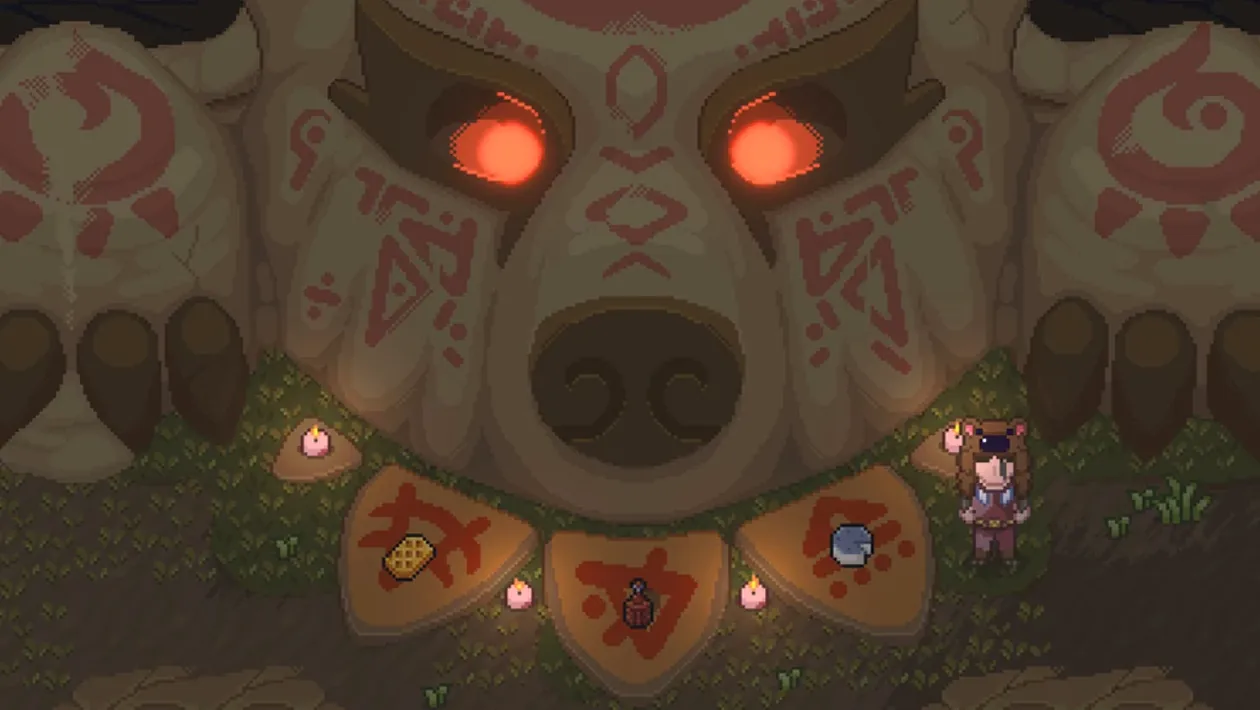
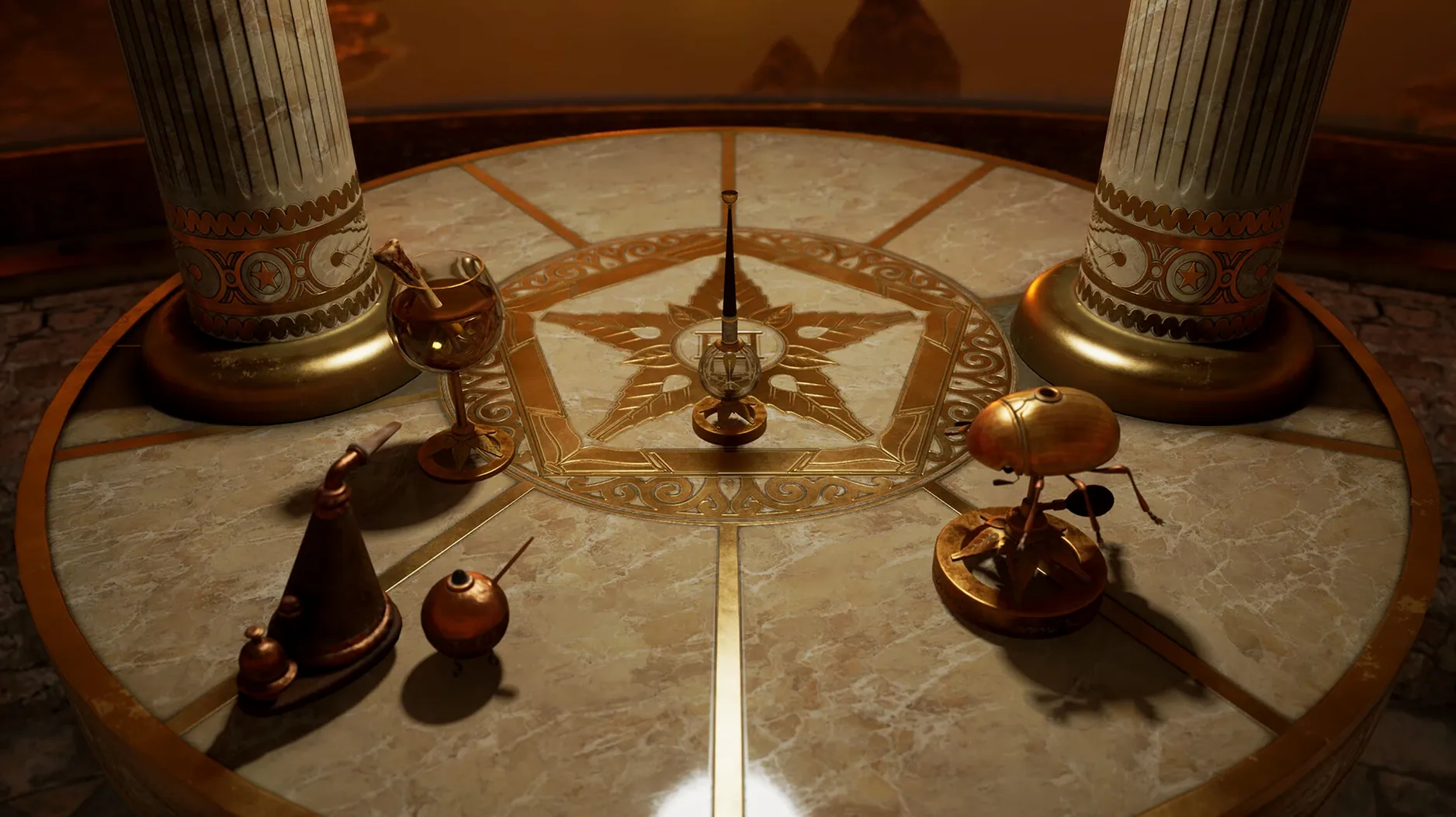
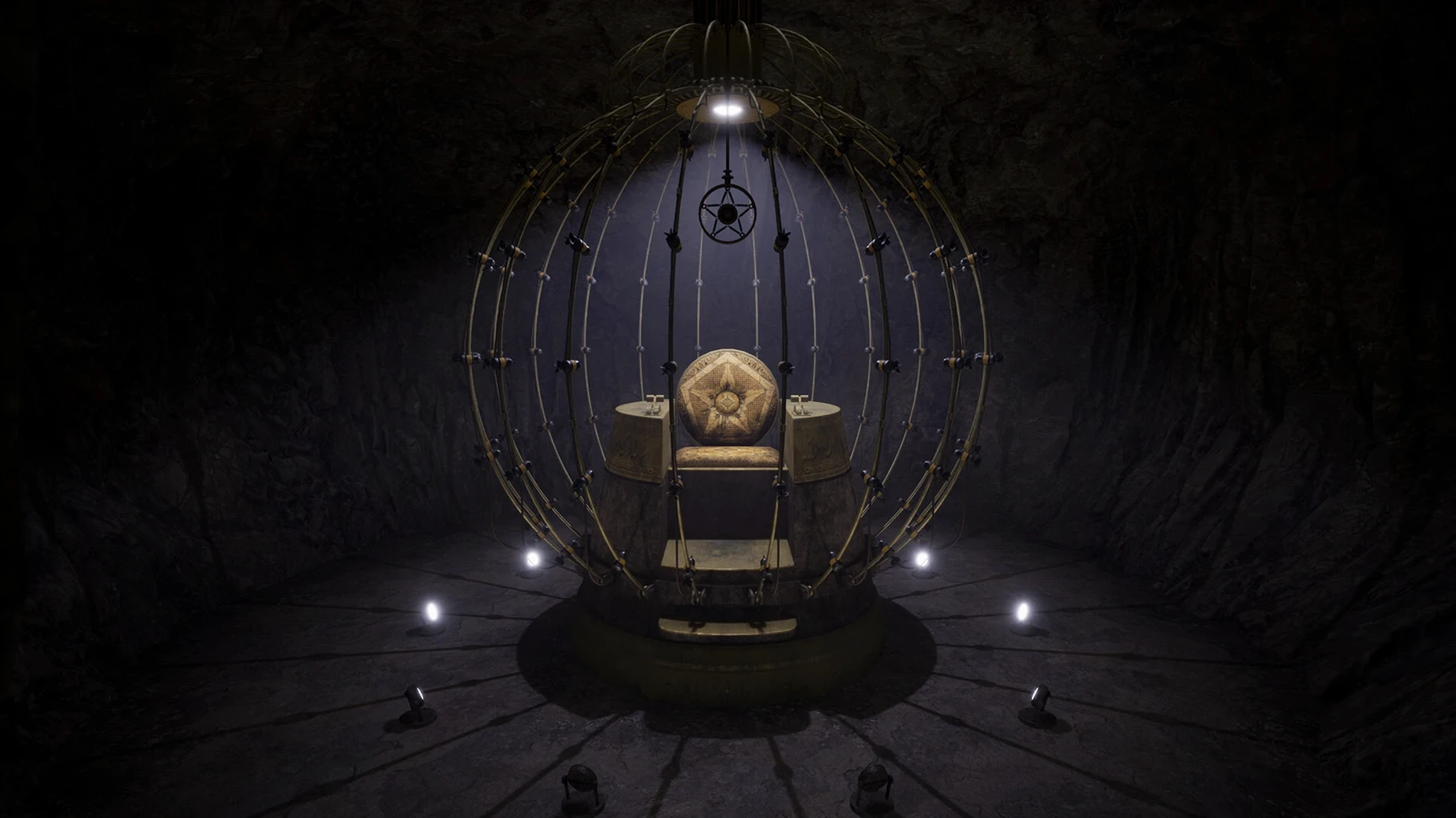
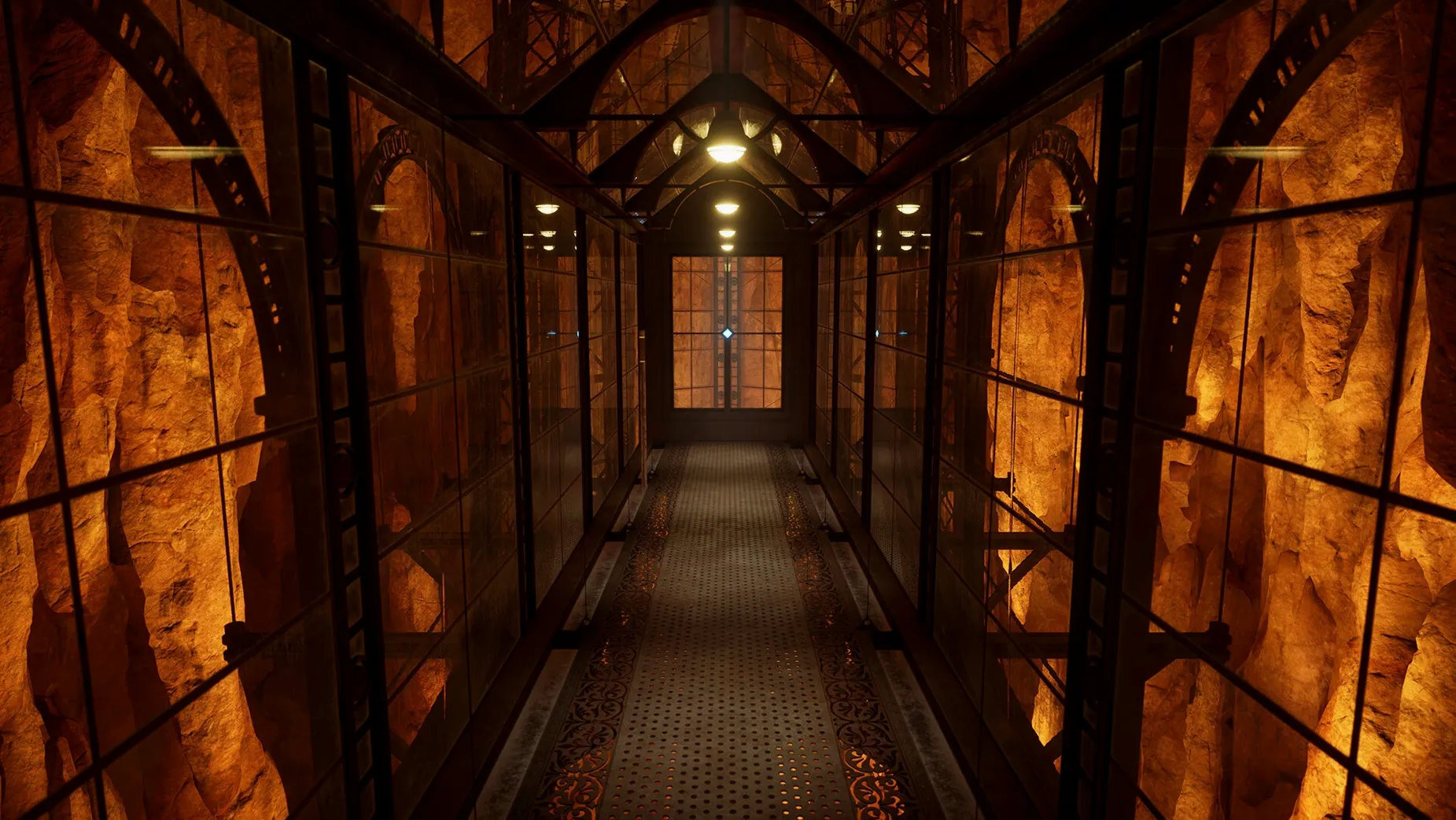
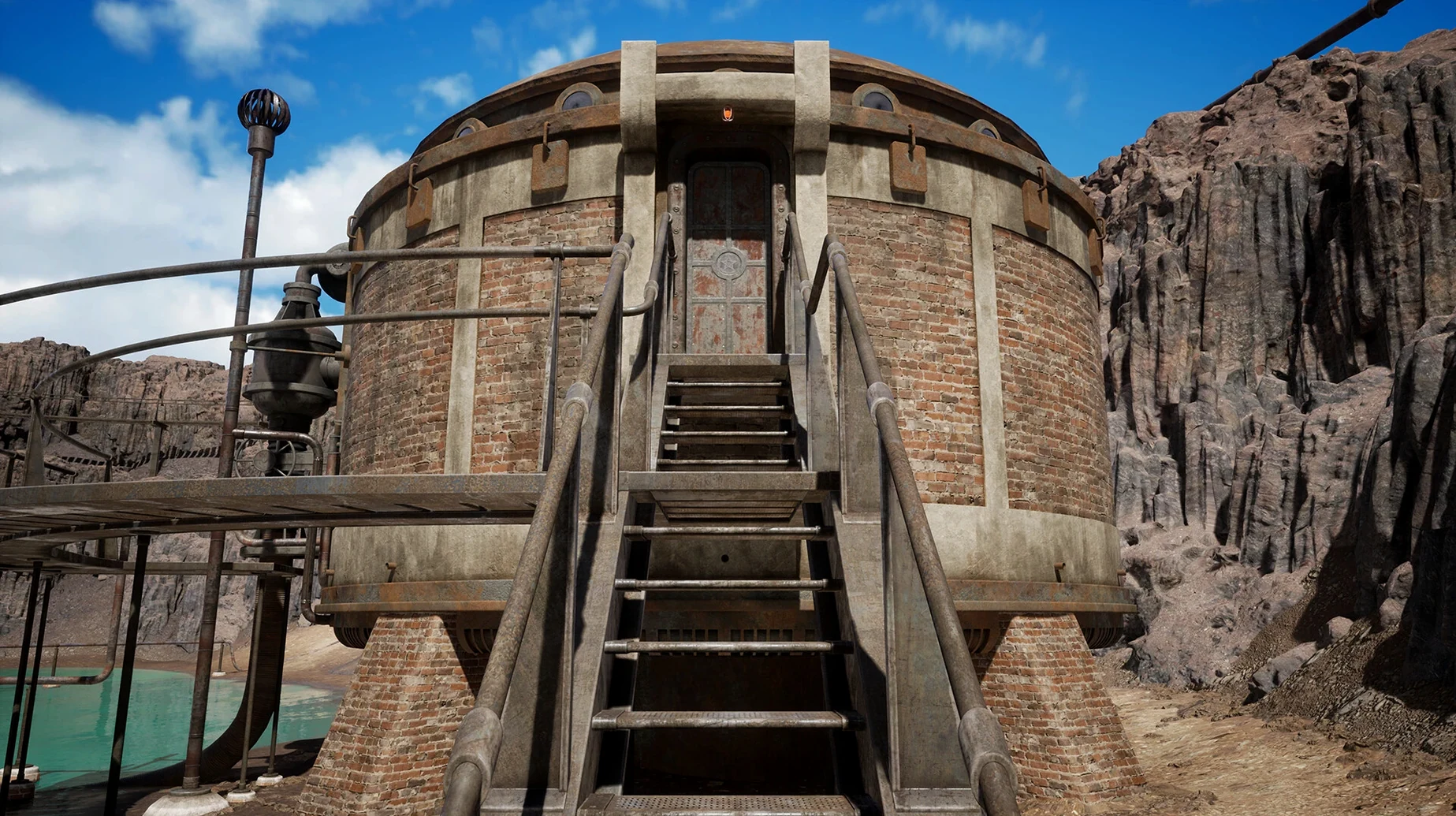
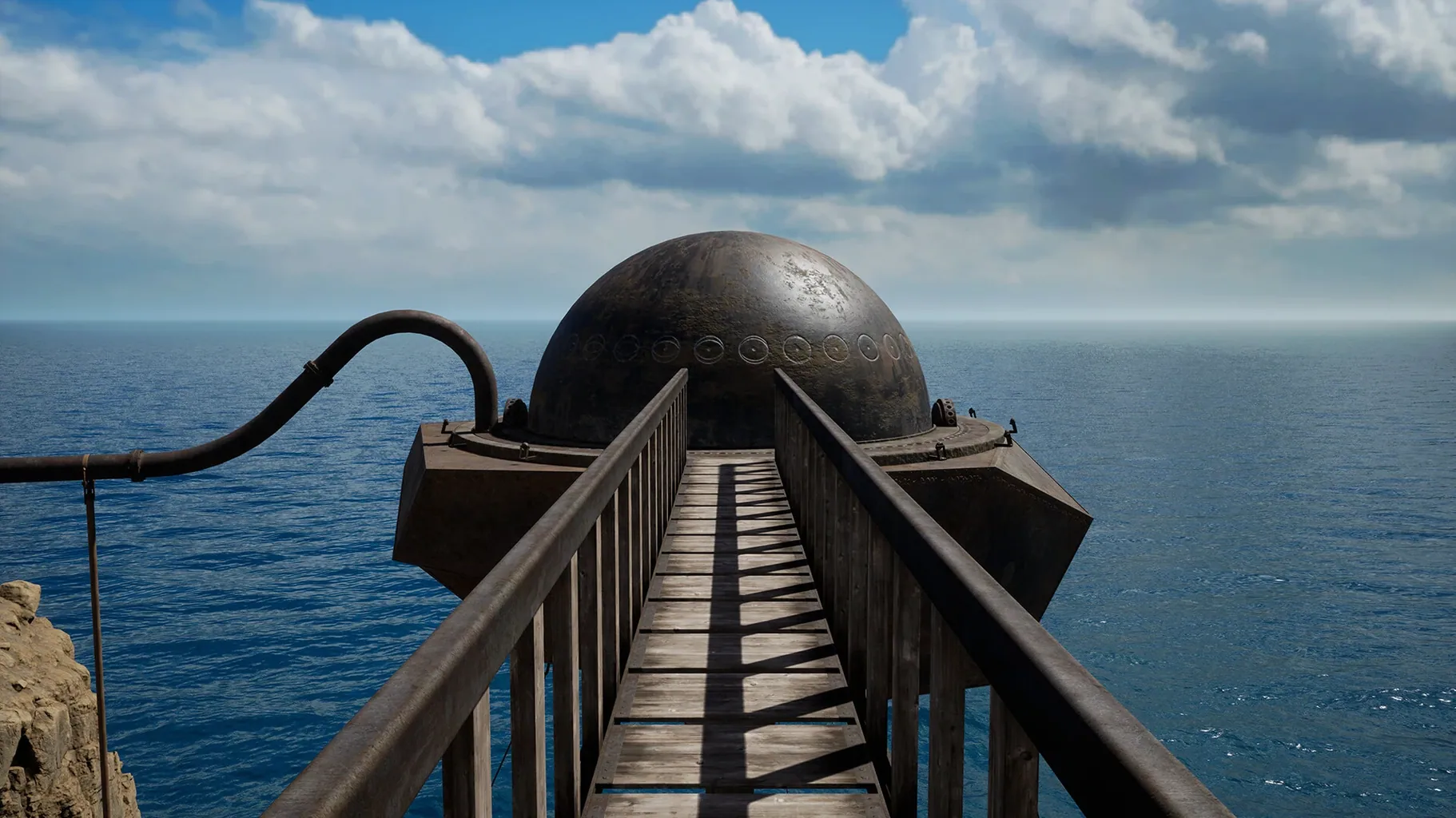
TSR supersampling support on Mac, newly enabled in version 1.9.0, says something about where this project aims its lens — at texture and detail, at the way light falls across a stone monolith that wasn't there in 1997. The Riven Mac torrent scene circles a game built for players who slow-walk through caves not to finish, but to notice what the original couldn't show them.
Puzzle logic — systems-thinking drawn from mechanical and environmental clues, not inventory combinations. You'll sketch notes.
Pacing — deliberate. Travel between islands takes time, and the game trusts you to sit with a sound or a half-understood symbol.
Added story — new narrative threads woven into the familiar shape, rewarding those who already know the beats.
Architecture — built for ARM, leaning fully into Apple Silicon. The jungle breathes differently on a modern Mac.
Not for — anyone who needs a quest log, explicit direction, or the reassurance of a sprint button. The world is the interface, and it keeps its secrets close.
Beginners arrive in Riven carrying habits from games that telegraph every interaction. They click on everything twice, impatient for a highlight or a floating prompt. The remake doesn't indulge that. A lever looks like stone until you pull it. A door isn't a door until you understand what it wants. The most common misstep is treating the islands as a sequence — moving from point A to point B, solving whatever blocks the path, then never looking back. Riven's puzzles are networked. A sound heard on Jungle Island changes the meaning of a symbol found three hours earlier on Temple. Write things down. Not bullet points — sketches, relationships, the weird angle of a pipe you can't reach yet. Another beginner's trap: assuming the original 1997 solutions still work. Some do. Others have shifted, or acquired new context from the added story threads, and muscle memory will walk you straight past the thing you were meant to notice.
Intending an hour, losing the evening to jungle dusk
You mount the disk image around nine in the evening, intending an hour. The Press Any Button screen fades into jungle dusk, and the ambient hum of insects fills the room before you've touched the keyboard. You're standing on a wooden walkway that sags under its own age. No compass, no objective marker. Just the sound of water moving somewhere below and the faint mechanical groan of something large and hidden.
You walk — not toward anything, just to see what holds weight. A staircase carved into the cliff. A domed structure with a slit window that frames exactly one distant island. You make a note, not knowing why. Twenty minutes pass before you touch the first puzzle: a set of stones arranged in a pattern that feels deliberate but unreadable. You turn away. That's the discipline Riven teaches — the answer isn't here yet, and forcing it only frustrates. You take the tram instead, and the ride itself becomes a meditation. The mechanism clanks, the view shifts, and by the time you step onto a neighbouring island you've forgotten the stones entirely. They'll return to you later, unbidden, while you're staring at a stained-glass panel that seems unrelated. The session ends at midnight with a sketchpad half-full and the certainty that everything you walked past matters.
A puzzle designer's notebook
Consider someone who builds escape-room puzzles for a living, the kind of player who reverse-engineers every lock they encounter. She approaches Riven not as a tourist but as a colleague. What interests her isn't the solution — it's the grammar of the clues. She spends her first session on Temple Island documenting how the game teaches its own language: a colour here, a number system there, a recurring shape that appears on doors, domes, and the spine of a carved creature. She notices that the remake never repeats a lesson unnecessarily. Once the game has shown you what a particular symbol does, it assumes you remember, and a later puzzle will punish you if you don't. The controller haptics added in some locations — a low thrum through the hands when near certain machinery — become another layer of grammar for her to catalogue. By the third session she's mapping not geography but logic, drawing lines between environmental sounds and mechanical states, and she realizes the game has been teaching her a vocabulary she didn't know she was learning until she was fluent enough to read the final room without hesitation.
Version 1.9.0 brings TSR supersampling to the Mac build, sharpening distant walkways and carved stone. A Press Any Button welcome screen now bookends the opening, and controller haptics pulse through a handful of locations — subtle, situational feedback for hands on a gamepad.
- Apple Silicon Mac