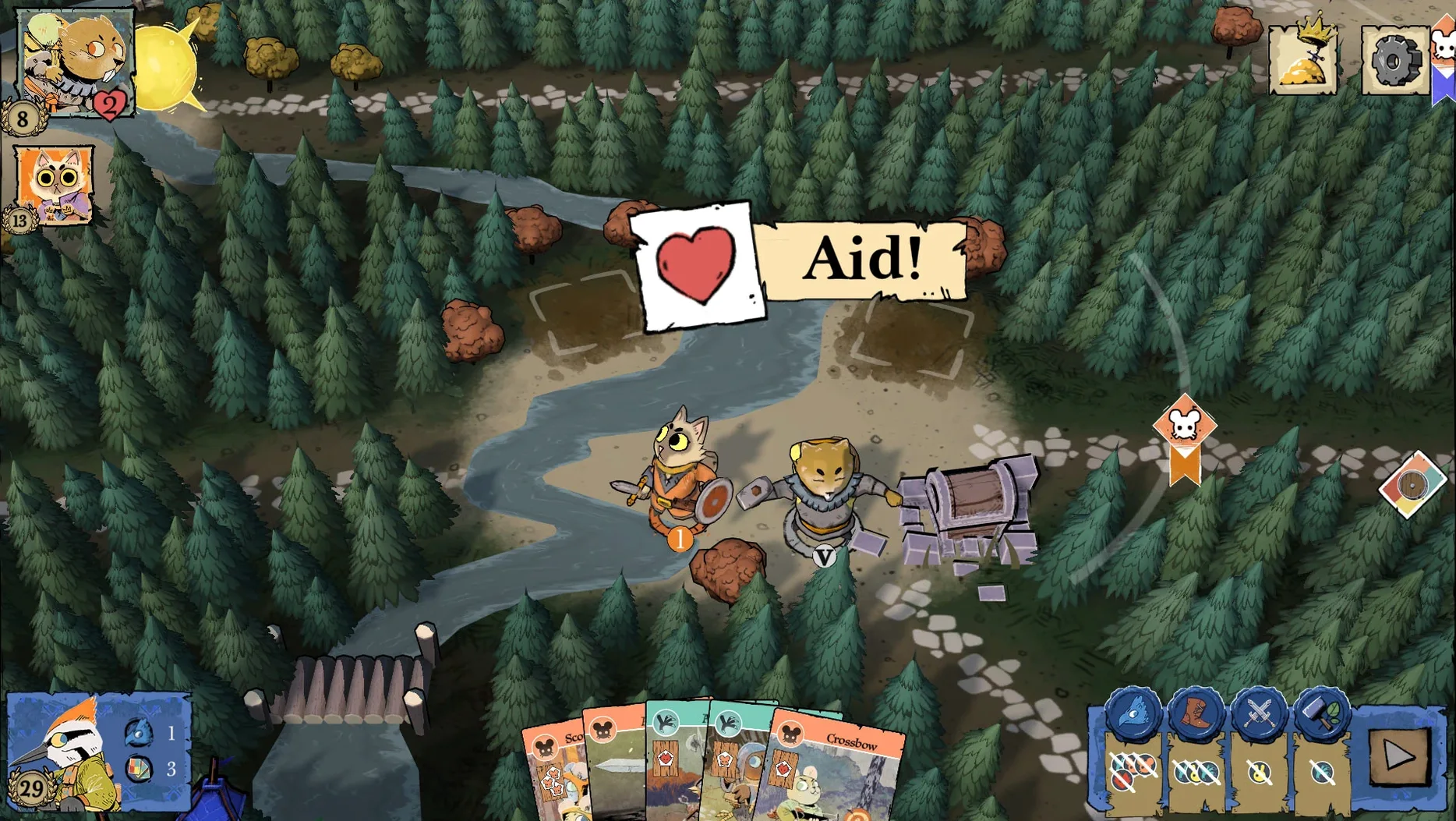
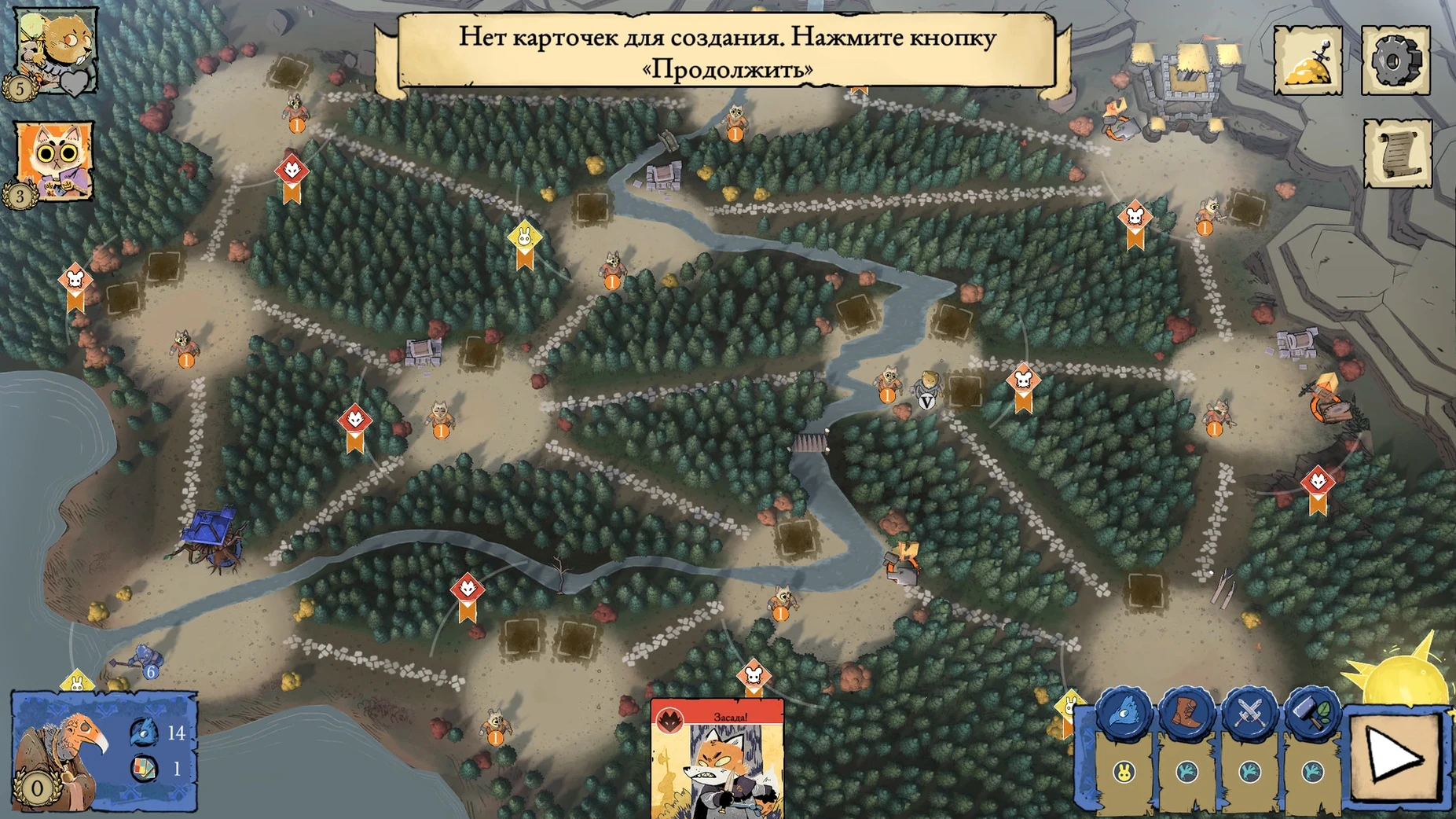
Root runs on Apple Silicon Macs with macOS 11.0 or newer, and the game itself is a digital adaptation of the tabletop board game about woodland faction conflict. Two to four players battle for control of a vast wilderness, though what you actually do minute to minute depends entirely on which faction you draw.
One turn can flip the entire board
- Players who like asymmetric strategy — each faction scores and fights differently.
- Short sessions where one turn can shift the whole board.
- Fans of the physical game who want a faithful digital version.
Sympathy tokens win without firing a shot
- The Woodland Alliance scores points by placing sympathy tokens, so aggressive play isn't the only route.
- English is the voice language, though interface text appears in several languages.
- Version 2.1.5 includes bug fixes and improvements, nothing more dramatic.
Where Root sits among Mac strategy adaptations
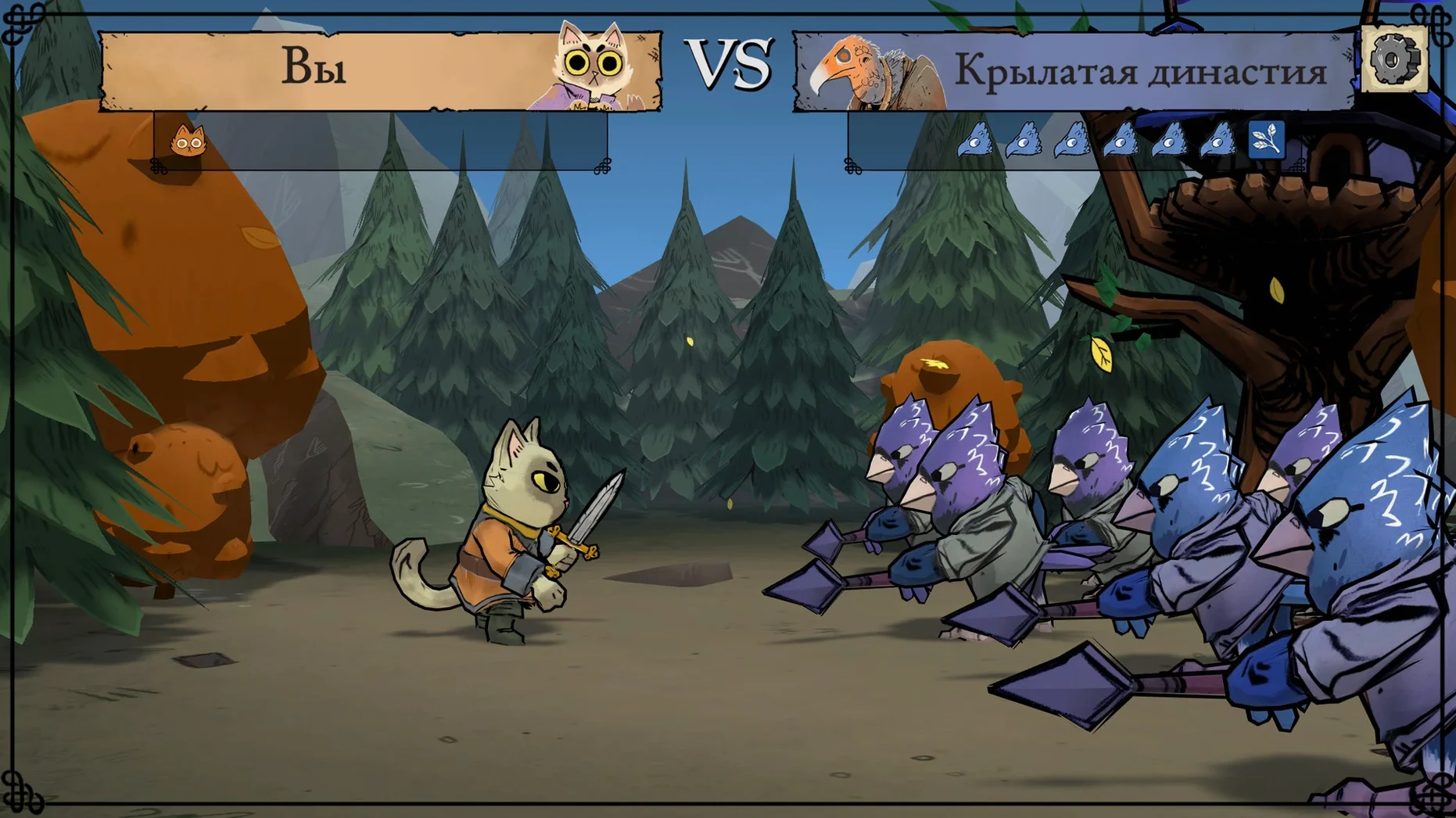
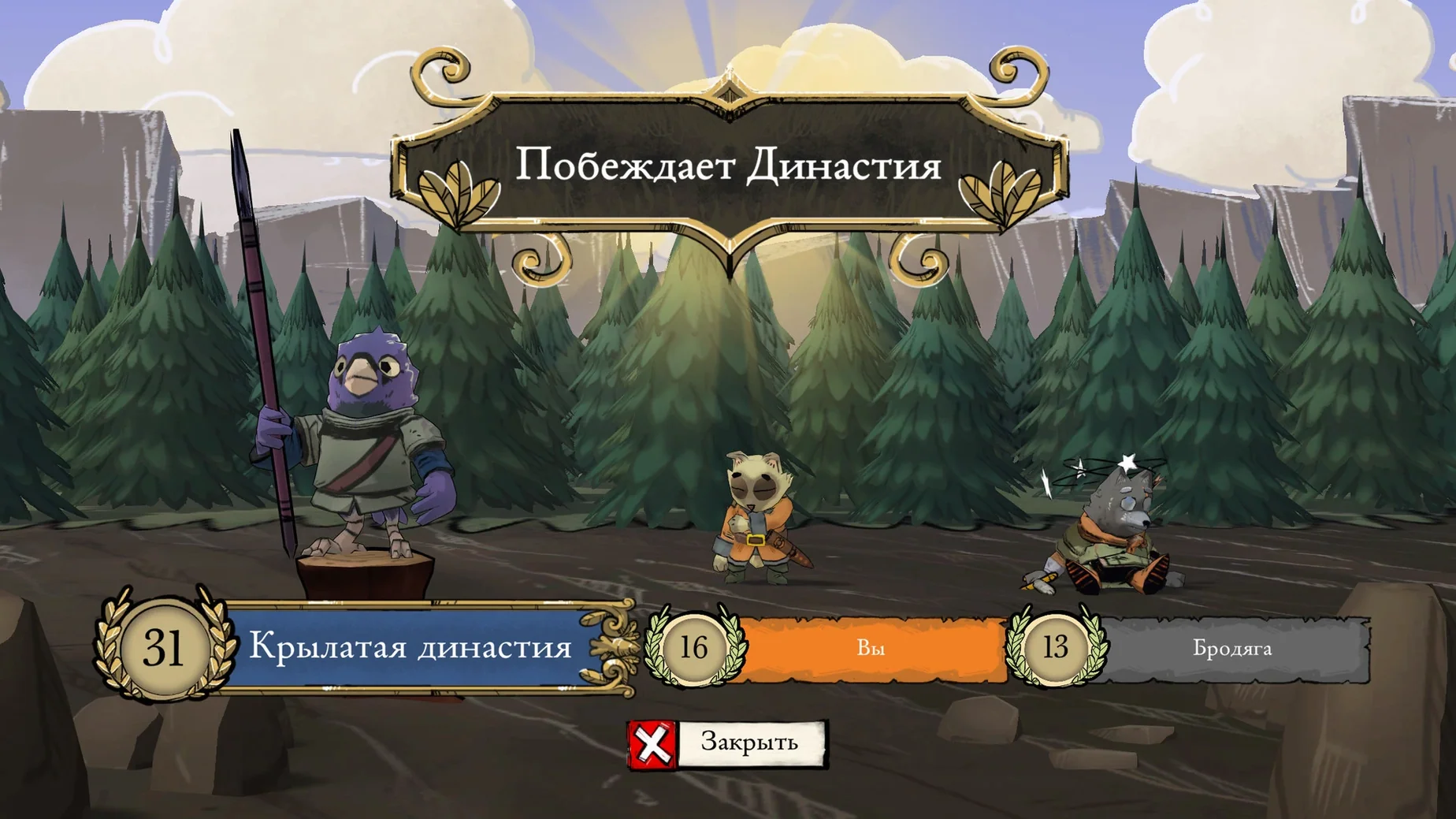
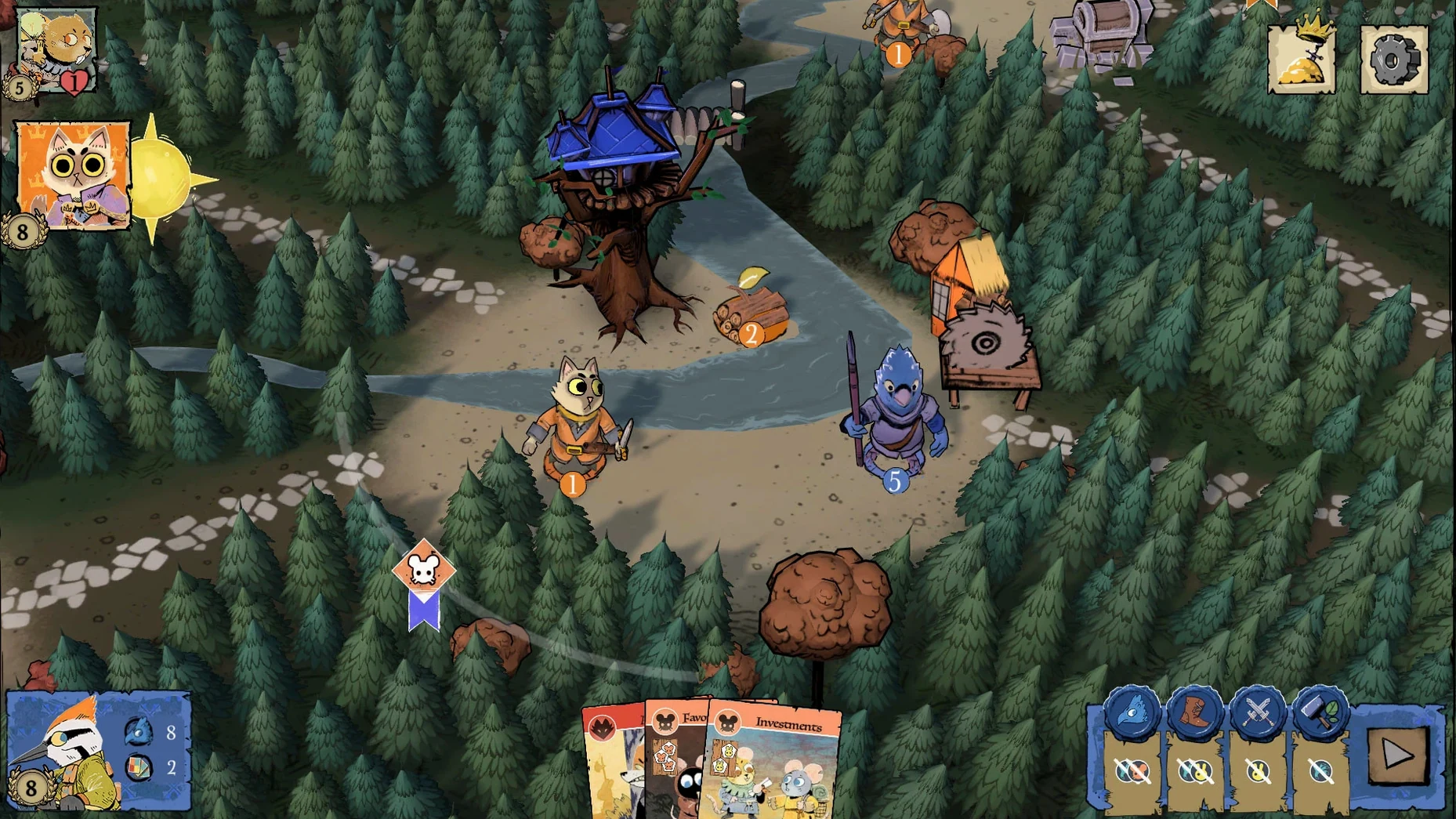
Root doesn't compete with the sprawling 4X space of Civilization VI or the hex-grid precision of Into the Breach — it occupies a narrower, more intimate lane. What sets it apart from other board game ports like Wingspan or Ticket to Ride is how much the asymmetry reshapes every session. Wingspan deals you different bird cards but everyone still follows the same turn structure. Root hands four players four entirely different rulebooks. The Marquise de Cat builds workshops, sawmills, and recruiters to fuel an industrial engine; the Eyrie Dynasties score points based on the number of roosts on the map but collapse if their decree fails; the Vagabond explores the map for items and ruins, barely interacting with territory at all. That spread of objectives makes Root feel closer to a condensed war game than a traditional Euro, and the digital version leans into that by handling rules enforcement so you can focus on reading the table rather than the rulebook.
First days: learning the factions without drowning
Resist the urge to cycle through all four factions in one evening. Pick one — the Marquise de Cat is the most straightforward starting point — and play three or four games against AI opponents before touching anything else. The Marquise teaches you board presence and crafting without the fragile internal logic of the Eyrie or the guerrilla timing of the Woodland Alliance.
Second, turn on the full tutorial for each faction even if you know the physical game. Dire Wolf's implementation includes small quality-of-life prompts that surface information the tabletop version leaves you to remember — crafting costs, decree consequences, ambush cards still in the deck. Let the interface do the bookkeeping for the first week. You'll internalize it faster than you expect, but skipping that step leads to baffling losses where the Eyrie go into turmoil and you aren't sure why.
Last tip: the undo button is your friend, but only for learning. Use it freely in your first solo matches to test alternative lines, then wean yourself off before playing online. Real-time multiplayer doesn't wait.
A Vagabond run, turn by turn
The Vagabond scores almost nothing from territory, so a winning session starts with a mental map of where items sit and which ruins are reachable before anyone else claims them. Open your first turn by moving toward the nearest ruin — the hammer or the sword usually — and explore it immediately. That single item flips your action economy from sluggish to fluid.
By turn three you want to be aiding another player. Aid costs cards and exhausts an item, but it raises your relationship track with that faction, and a higher track means you can slip through their clearings without triggering hostility. Hostility is a trap early on; once you attack someone, you can never aid them again, and your scoring shifts to combat, which the Vagabond is not built to sustain in the first half of the game. Stay friendly. Craft a bag or boots at a sympathetic clearing if materials allow — extra item slots accelerate everything else.
The mid-game pivot comes around turn six or seven. By now someone has likely angered the table, and your relationship tracks with the other three players tell you whose clearings are safe. Start completing quests that match the items you've gathered. Two quests of the same suit can chain into a burst of points that catches opponents off guard. Hold a crossbow or a second sword in reserve for the final turns, because the Vagabond's last scoring push often requires slipping past the leader and removing one critical building or token to deny them the win. The digital version marks available quests and valid targets clearly, so you spend less time counting clearings and more time reading intent.
Version 2.1.5 keeps things quiet: bug fixes and improvements, the kind of update you notice only when something that used to annoy you stops happening.
- macOS 11.0 or newer
- Apple Silicon
Questions from the booth
The game includes the Marquise de Cat, the Eyrie Dynasties, the Woodland Alliance, and the Vagabond.