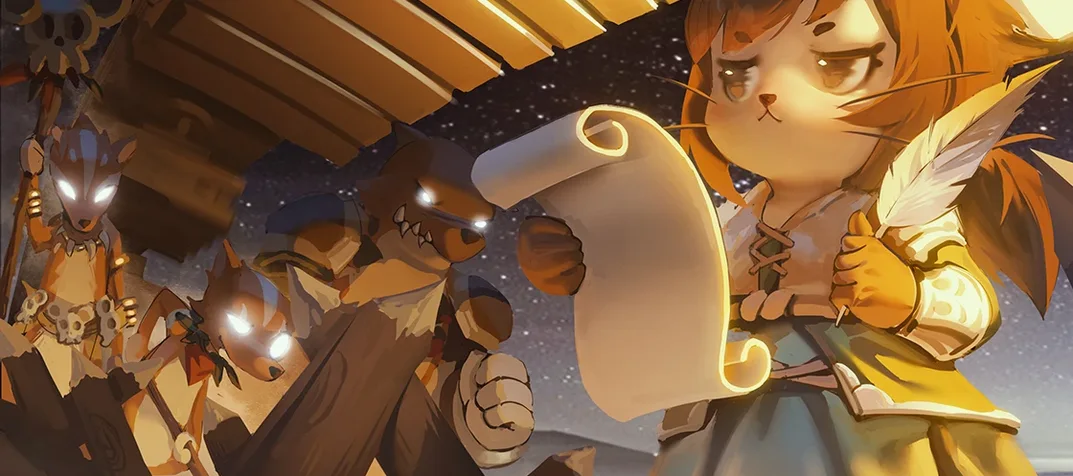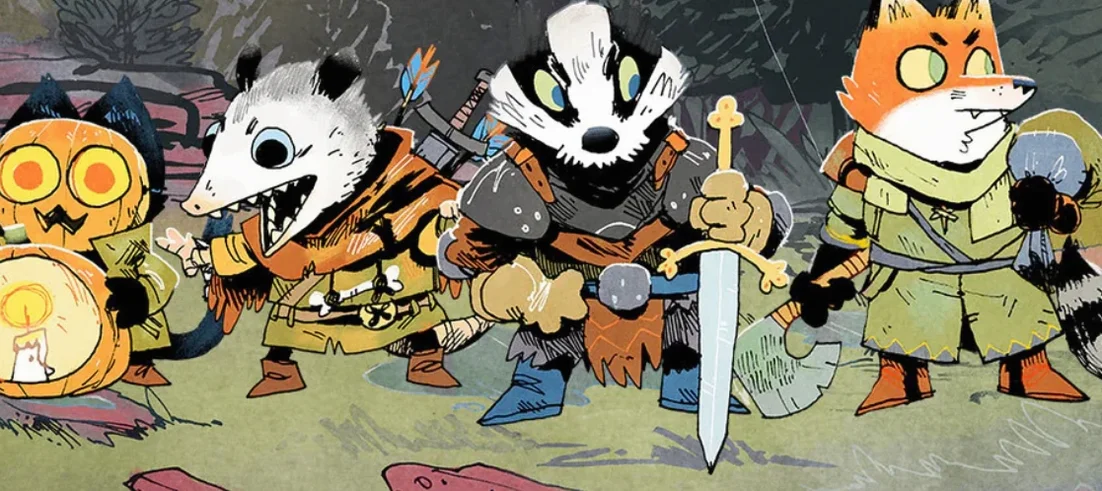
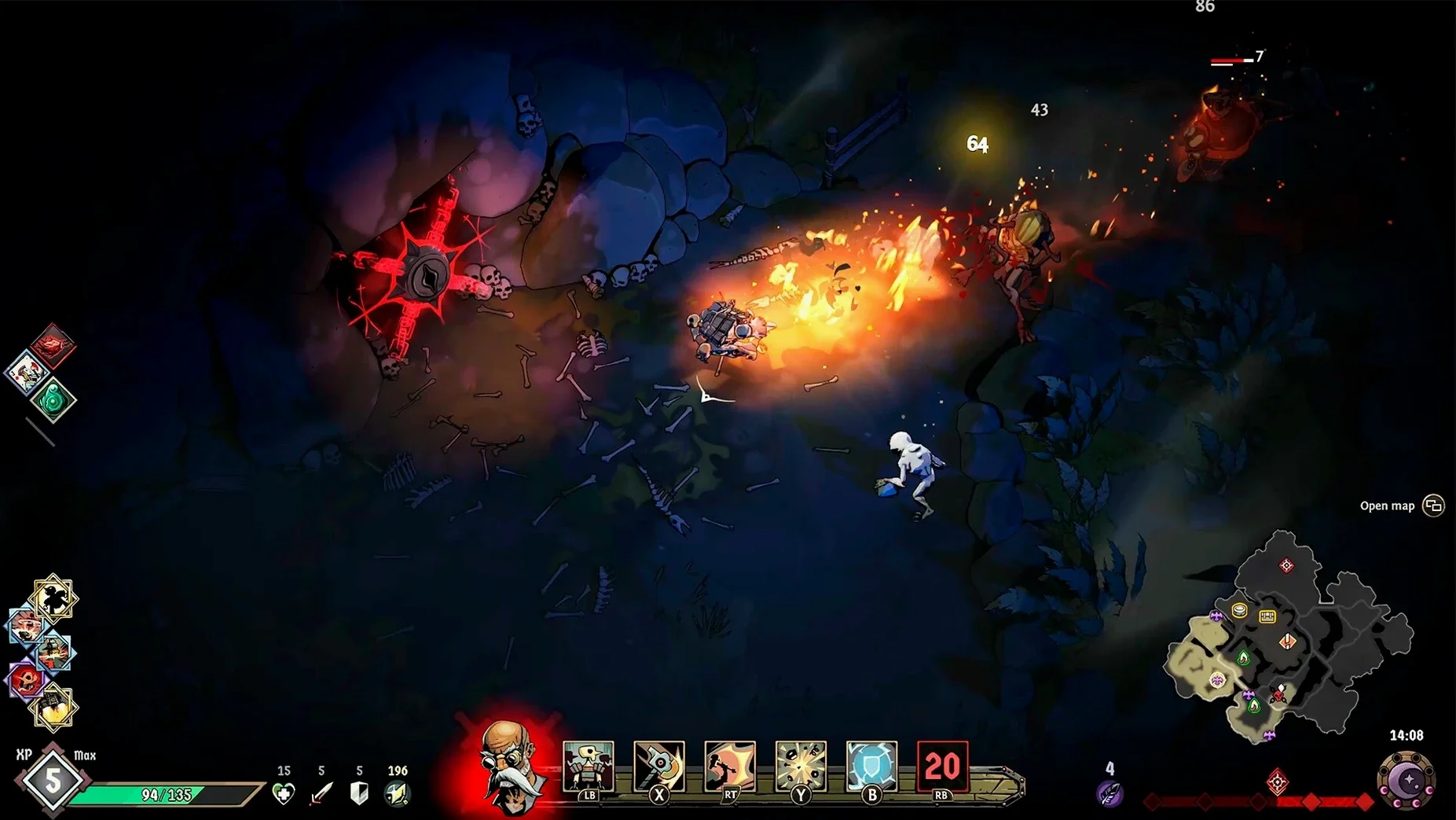
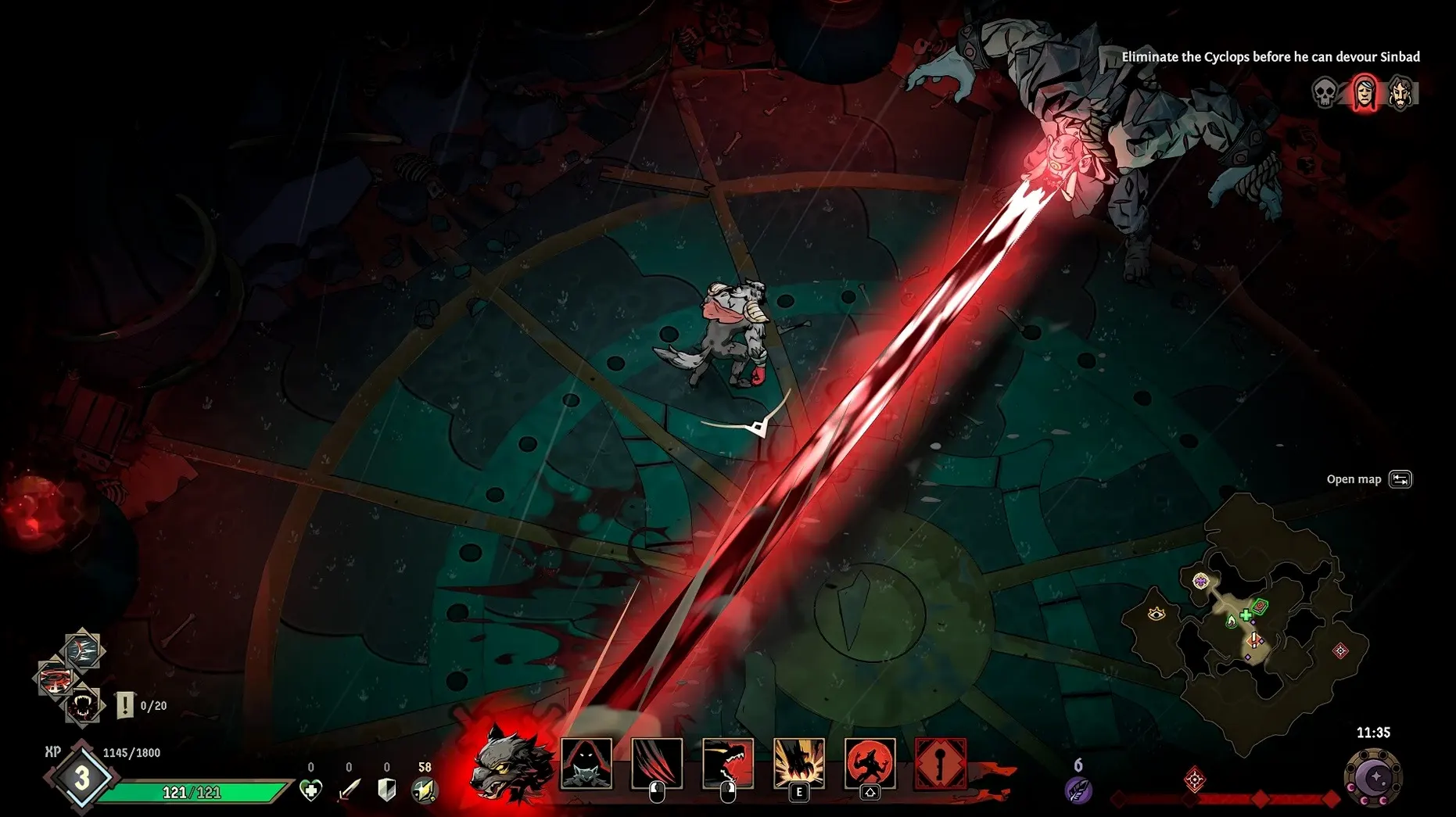
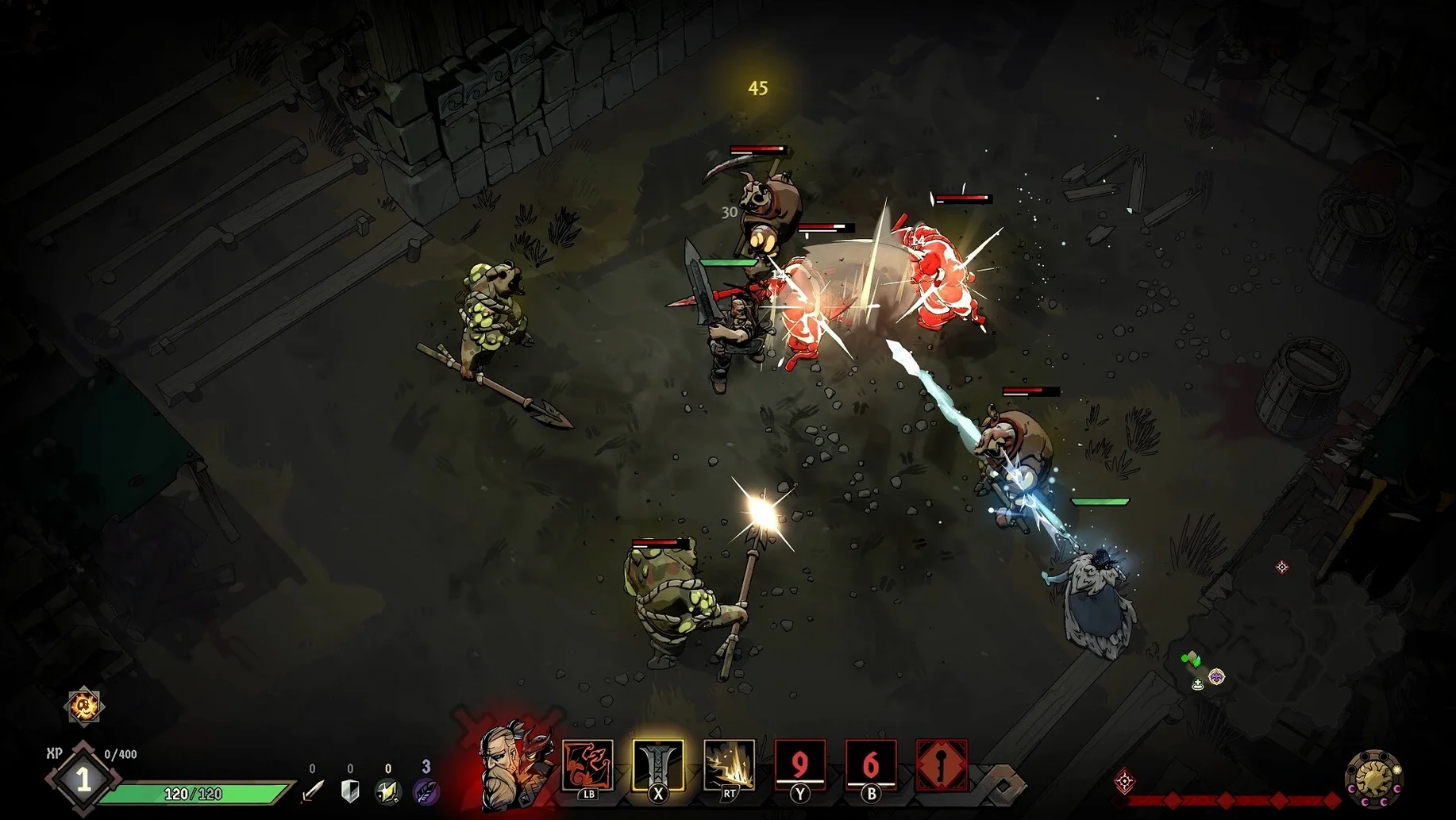
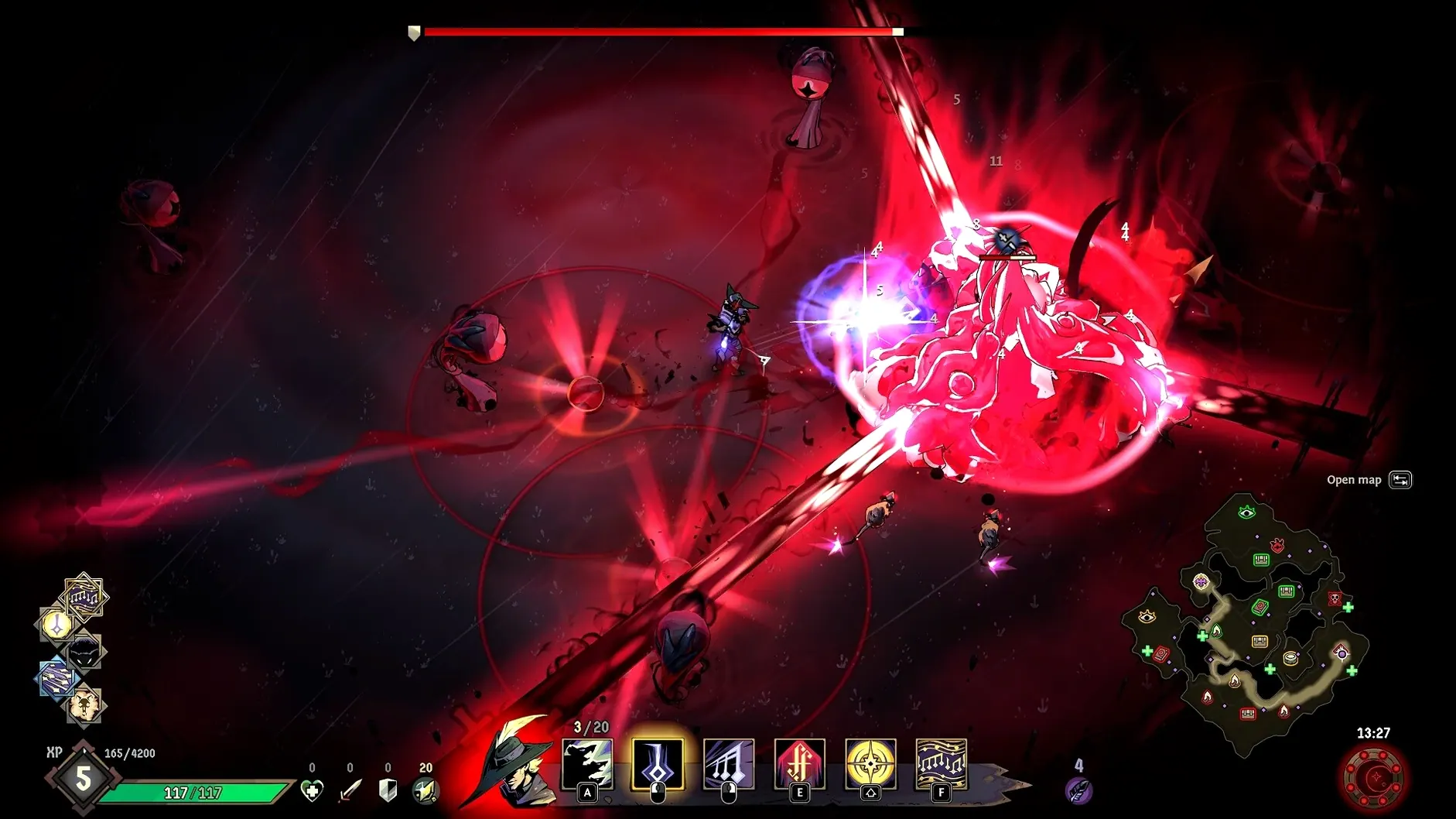
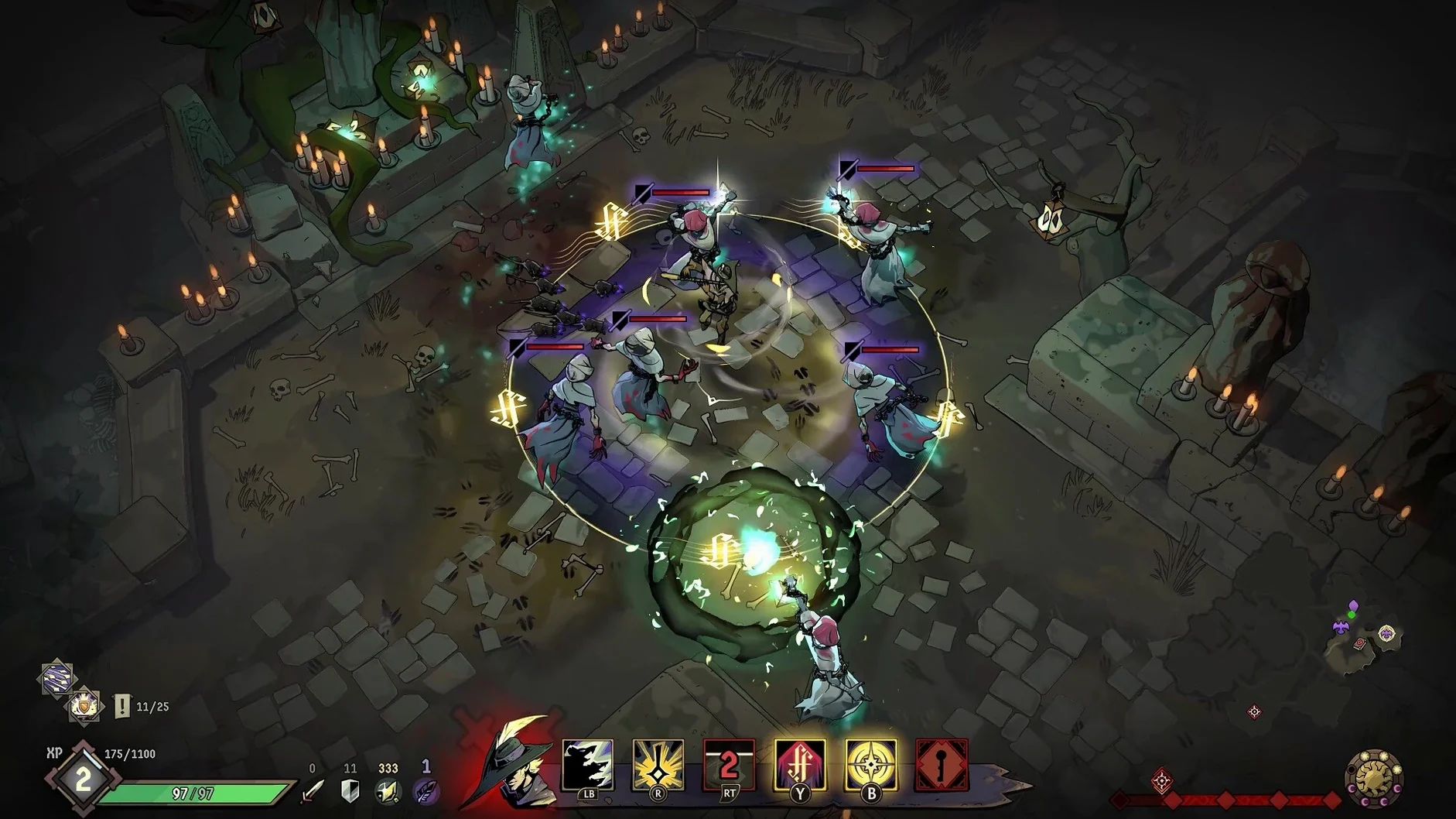
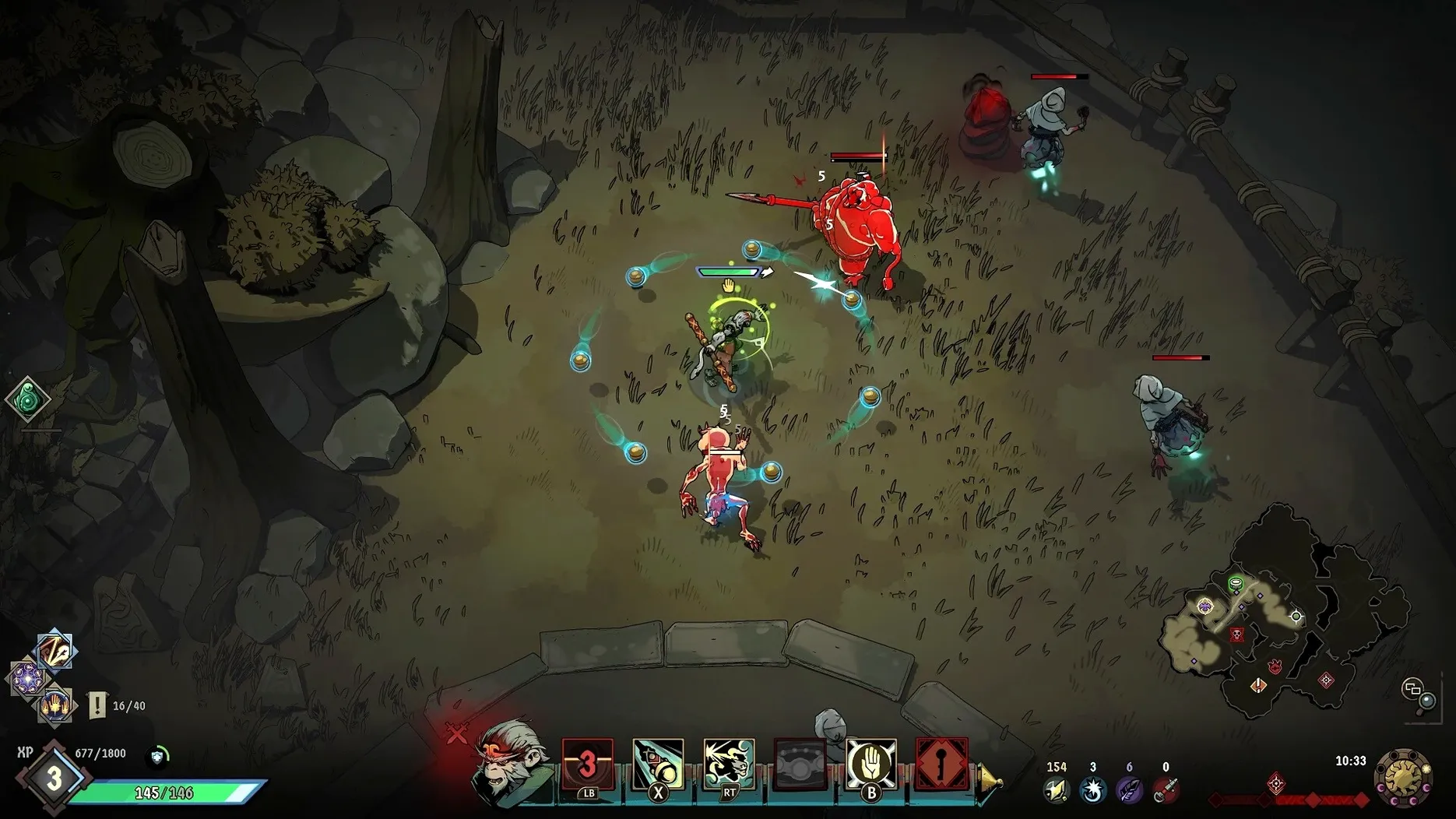
If you've ever lost an evening to Hades and wished its boons could be strung together in a shared world, Ravenswatch occupies that exact clearing in the woods. It inherits the isometric, dash-heavy cadence of Supergiant's work but pushes the loop outward—toward a map that remixes itself each run and a cast pulled from legends you already half-know.
Who sinks into it, and who bounces off
- Recognize the story engine. You pick a hero—Red Riding Hood, the Pied Piper, Beowulf—each with a distinct rhythm. Their kits unfold through more than 200 talents, so two runs with the same character rarely hum the same tune.
- Accept the clock. A day-night cycle presses you forward. Exploration is generous but never aimless; the three maps reward players who read the terrain and commit to a route.
- Decide on company. Solo play is taut and lonely in the right way. Four-player co-op turns the tension into a shared scramble, where builds bounce off each other.
This game will frustrate anyone seeking a power fantasy that arrives on a platter. Talents layer slowly, and early runs feel like tracing a pencil sketch before the ink arrives. But if your favourite roguelikes are the ones where system mastery feels earned across weeks, where a dotted-line co-op session with a friend becomes a standing appointment, Ravenswatch plants its claws deep. The Mac build tested here runs natively on Apple Silicon, cool and steady on an M1 Air under Sequoia, which suits the game's painterly, storybook darkness perfectly.
What settled in with the latest builds
Version 1.04.01 arrived not with a marquee feature but with the kind of grit that changes how a run feels. Enemy pathing grew more deliberate: the hulking treants in the first map no longer slide sideways mid-swing, and the banshee projectiles track with a logic you can learn rather than dodge on instinct. Talents that previously stacked in ways the tooltips didn't quite capture—looking at you, Piper's rat synergies—now display their math cleanly. The Wineskin wrapper under this Mac build hums along without the stutter that used to hitch the day-night transition, which matters when twilight narrows your sight radius and a pack of ghouls is closing in.
The quietest change, and the one that reshaped my own sessions, came to the four-player netcode. Co-op runs with a friend in Berlin used to dissolve around the third map; now the connection holds through the full loop, and the shared pause menu actually pauses for everyone. Small things, but in a game where a single run can stretch past forty minutes, they accumulate into trust.
A run from dusk to dawn
I pick Scarlet—Red Riding Hood—and the first map unfurls as a tangle of gnarled forest and crumbling stone. The day phase gives me four minutes to scout. I beeline for a teleporter shrine, tag a green-tier chest guarded by two spectres, and decide I can take them before the timer bleeds out. The fight teaches me something: Scarlet's wolf-form lunge interrupts their scream attack, a detail I'll lean on for the rest of the run.
Night falls. The map spawns a mini-boss—a headless horseman whose charge leaves embers on the ground. I've stacked three talents by now, one of them turning my dash into a bleed applicator. The fight is messy; I burn a healing well afterward and reconsider my build. By map three, I'm weaving wolf-form bursts between human-form caltrops, and the final boss arrives with a health bar that feels improbable. It takes six minutes of circling, dodging, and committing to damage windows only when the stagger meter is full. The screen fades to the scoreboard. Forty-two minutes. I'd make different choices next time, and that's the point.
A sound designer's decompression ritual
A friend who cuts dialogue for indie animations described his Ravenswatch habit in terms that stuck with me. He plays solo, headphones on, volume high enough that the mix reveals itself—the layered string swells before a boss arena, the wet crunch of a successful parry, the way the Pied Piper's rats skitter in stereo. For him, it's not about leaderboard chasing. It's a palette cleanser between projects, a world dark enough to match a late editing session but structured enough that a run has a beginning, a middle, and an end. He gravitates toward the Snow Queen, whose ice-walling demands a patience his editing timeline never grants him, and he treats each map like an act break. Some nights he wins. Most nights he doesn't. The ritual is the thing.
- macOS (Apple Silicon native)
- Requires ARM architecture
Questions from the booth
The game is fully playable solo or in online co-op for up to four players; the pacing adjusts to suit either.
There are 9 playable heroes drawn from folk tales and legends, each with a distinct set of abilities and over 200 talents to shape their build.