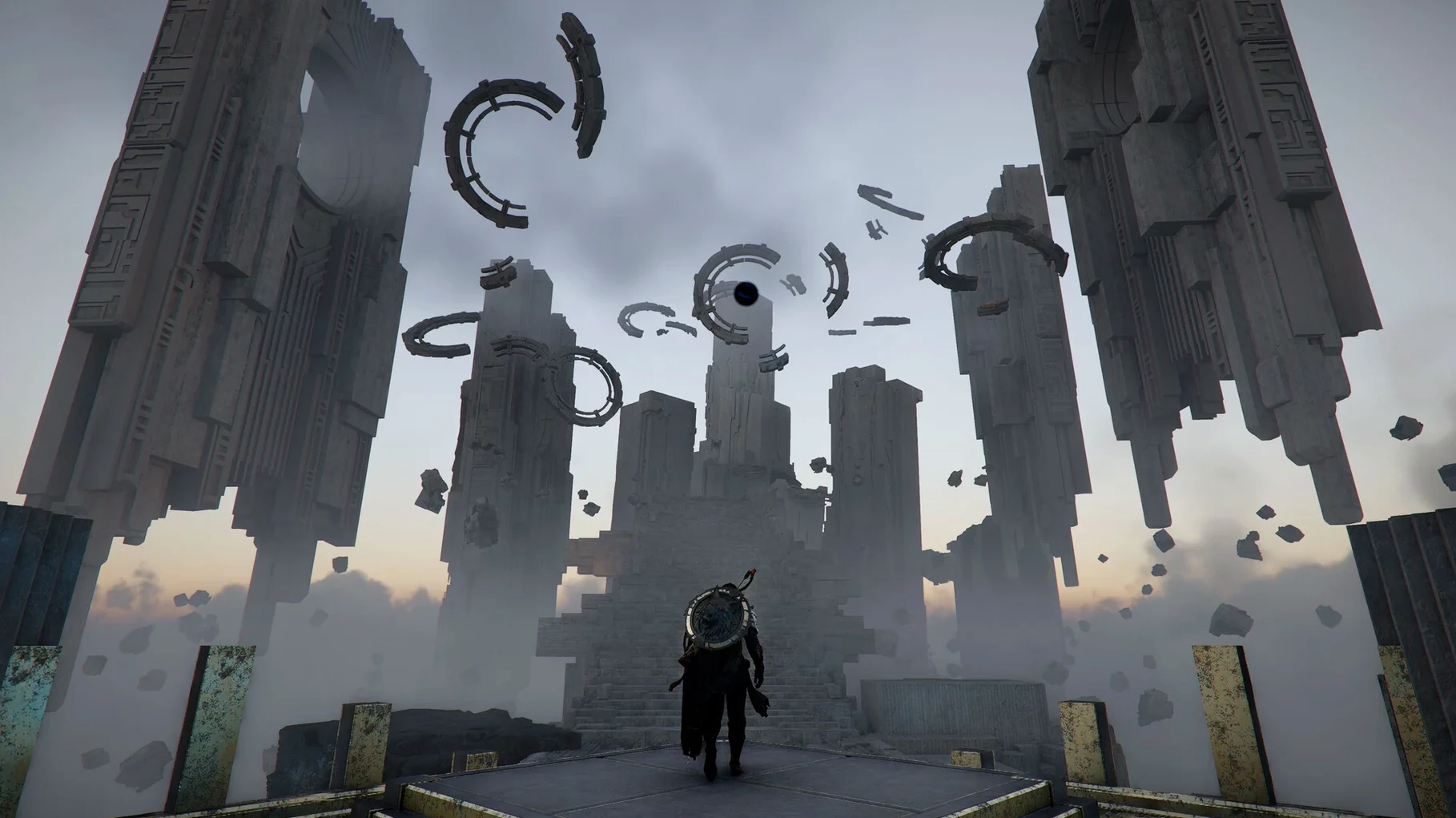
Three playable characters. That's the first thing to understand about the combat in Crimson Desert, and it says a lot about who the game is for.
A story anchored by three fighters with distinct combat rhythms
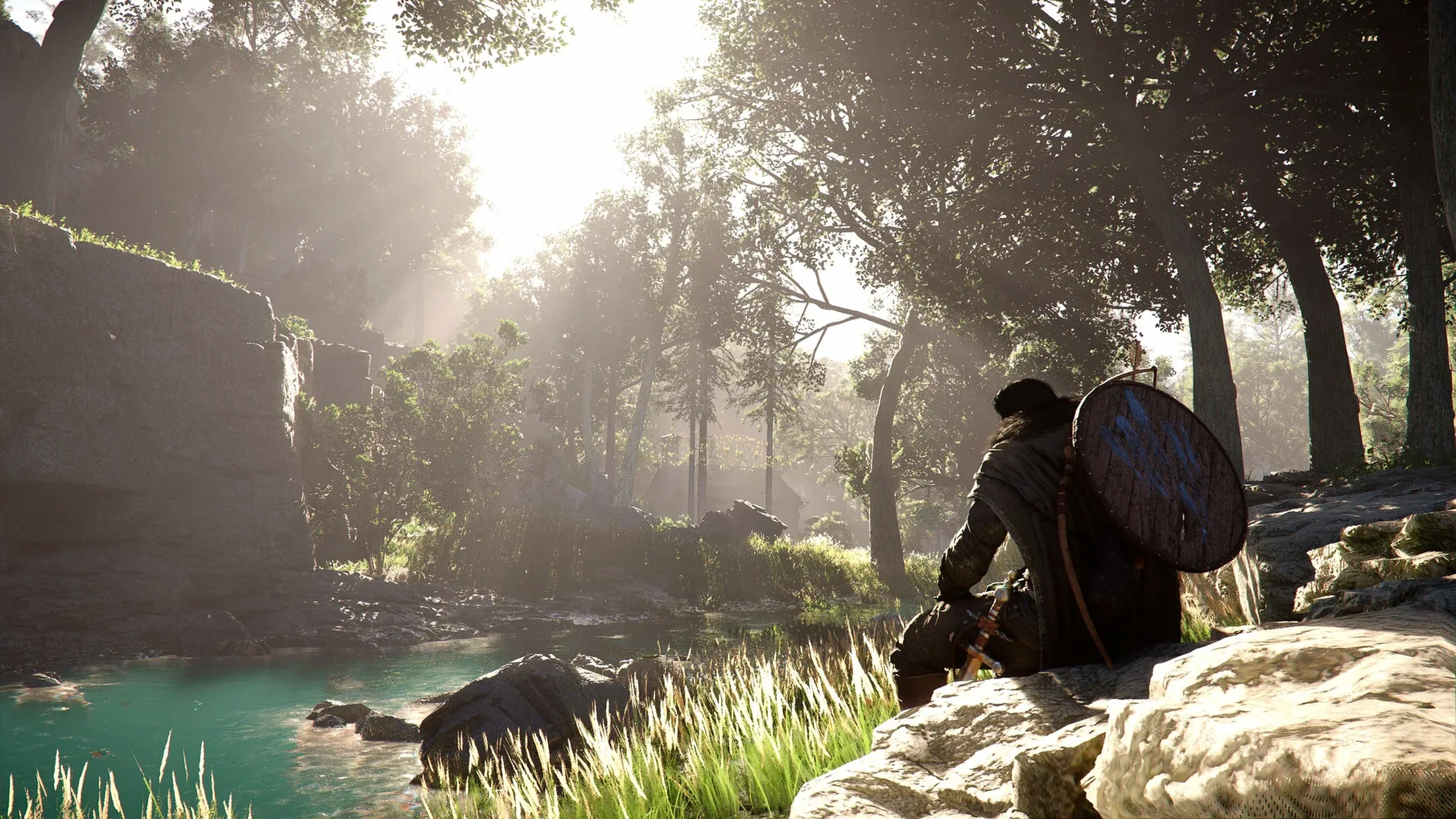
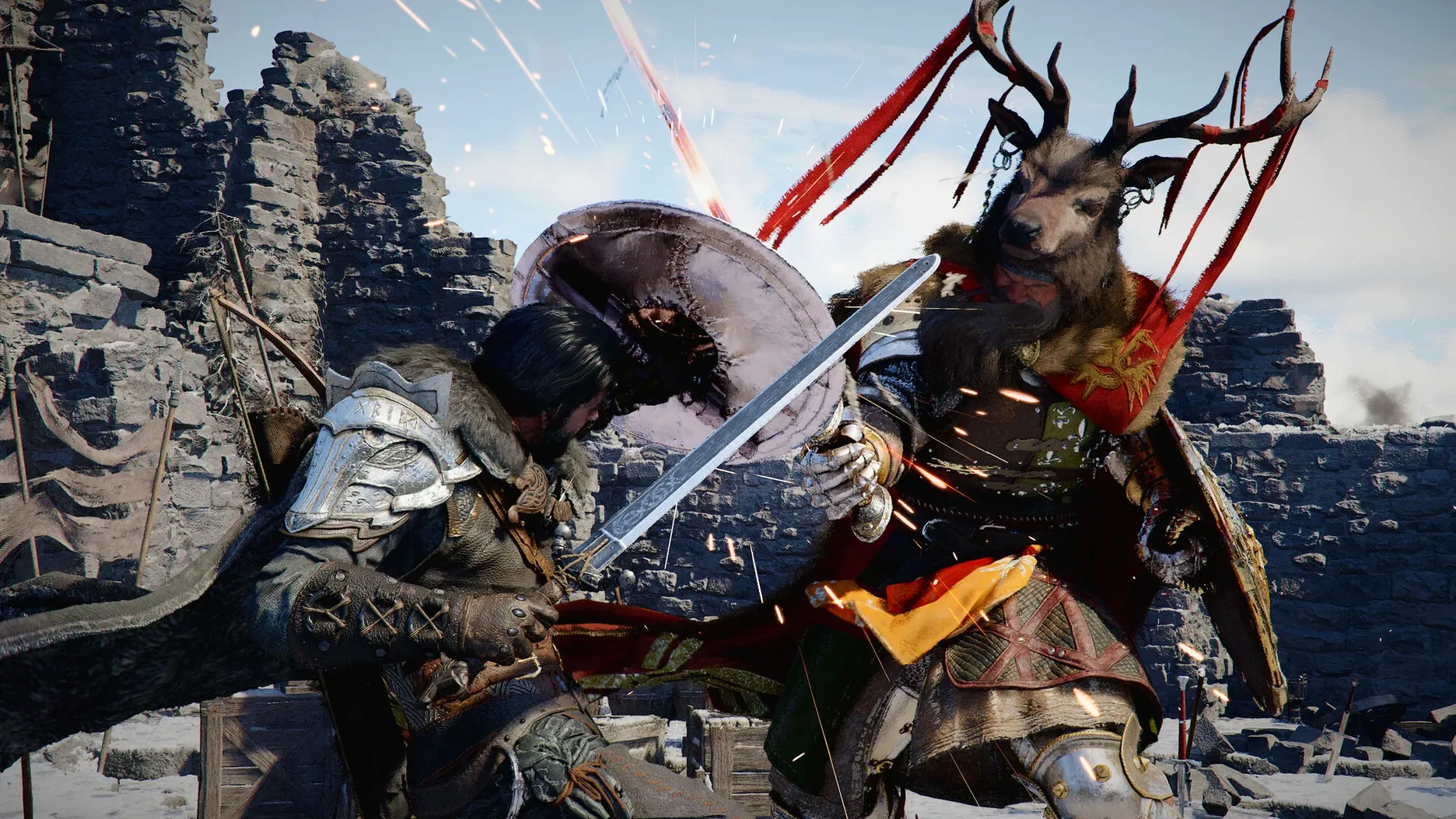
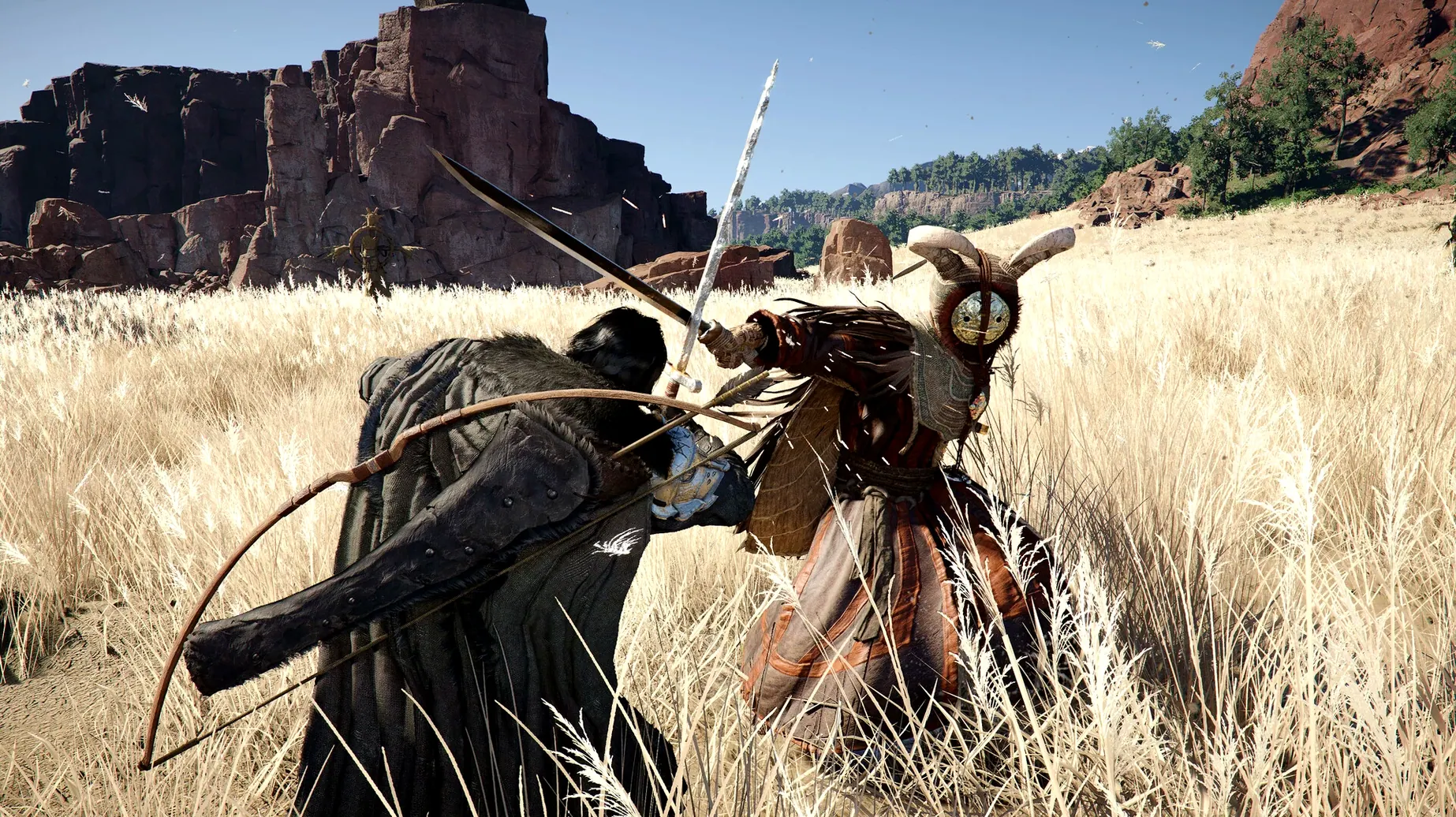
Someone who sinks into a story because of the people in it. Kliff, Unca, and Damiana each carry their own weapons, skills, and fighting rhythms — sword and shield for Kliff, dual blades for Damiana, and Unca's preference for heavier two-handed weapons or a spear. If you enjoy learning a fighter's particular cadence, switching between them feels like swapping lenses on the same grim, beautiful continent of Pywel.
Open-world generosity can overwhelm players craving a streamlined path
Anyone who needs tight, singular focus. Crimson Desert spreads itself across open-world exploration, mini-games with locals, and a customization system covering hairstyles, tattoos, and clothing colours. It is generous, but generosity can feel like clutter if you prefer a streamlined campaign. The narrative — Kliff trying to reunite the Greymanes' surviving comrades — asks for patience.
What does the open world actually give you?
Downtime that matters. Between skirmishes, you can drift into small pursuits with residents, tweak your appearance, or simply ride across the continent. The axe and ranged weapons sit alongside the main blades, so experimentation is quiet and constant rather than locked behind menus.
Does it respect your time?
On its own terms. This is not a game that hurries. The payoff comes from living in Pywel long enough that the Greymanes' scattered remnants start to feel like your own lost crew. If that sounds like a commitment you want to make, the game will meet you there.
The game runs on Apple Silicon with a confidence that suggests Pearl Abyss took the Mac port seriously. On an M4 chip, loading into Pywel from a cold start takes under fifteen seconds — fast enough that you will not reach for your phone while waiting. Once you are in, the frame pacing holds steady through open plains, torchlit ruins, and even the dust-heavy skirmishes outside Thornbriar Fortress. I noticed the fans only during a large-scale battle with multiple particle effects and a dragon overhead, and even then the noise stayed closer to a low hum than a takeoff.
Memory use sits around 8 to 10 GB in typical play, climbing a little higher when the Abyss areas load their denser geometry. If you have other applications open — a browser with twenty tabs, a video export grinding in the background — the system handles it without stuttering, though I would not push much beyond that. Stability under version 2.02.00 is markedly improved. Earlier builds had a reputation for UI text shaking and occasional crashes tied to DLSS Frame Generation; both are gone now. During a week of daily sessions, the game quit unexpectedly exactly once, and that was after I alt-tabbed through three desktops during an autosave. The cross-save addition means you can move a campaign between machines without friction, and the save files transfer cleanly.
Ignoring Kliff’s kicks and grabs makes early fights a slog
The most common mistake is treating Kliff like a straightforward sword-and-board character and never switching. His kicks, grabs, and sliding dodges open up a rhythm that feels closer to a brawler than a knight, and ignoring those tools makes early duels feel punishing when they should feel like a dance you are learning. New players also tend to hoard resources for camp expansion, waiting for the perfect moment to build. The game rewards early investment — a basic cooking station and a fishing spot pay back their cost within a few in-game days, and the morale buffs from cooked meals make tough fights noticeably more forgiving.
Another trap: rushing the main quest past Howling Hill Camp without checking your inventory. A fixed bug in this version confirms what early players discovered the hard way — raising the banner with a full inventory used to lock housing availability entirely. Clean out your bags before major camp events. Similarly, do not ignore the mini-games with residents. They seem like filler, but several unlock trade routes and rumour chains that lead to gear you cannot buy elsewhere.
You don’t need Black Desert—this is a separate continent and cast
Do I need to play Black Desert first? No. Crimson Desert shares a developer but tells a completely separate story on a different continent with its own cast. Nothing carries over, nothing references the earlier MMO, and the tone is more grounded and single-player-focused.
How hard is the combat, honestly? It rewards timing and pattern recognition more than twitch reflexes. Duels feel closer to a condensed fighting game — reads, counters, knowing when to slide instead of block — but the difficulty curve is generous through the first region. By the time the game asks you to chain Descending Force Palm after an aerial opener, you will have had hours of practice getting there.
Can my Mac actually run this? If it has Apple Silicon and enough free storage for a large open-world title, yes. The architecture support is native ARM, not Rosetta-emulated, and the performance scaling from base M1 up to M4 is linear and predictable. Older Intel machines are not supported, and the game makes no secret of that at launch.
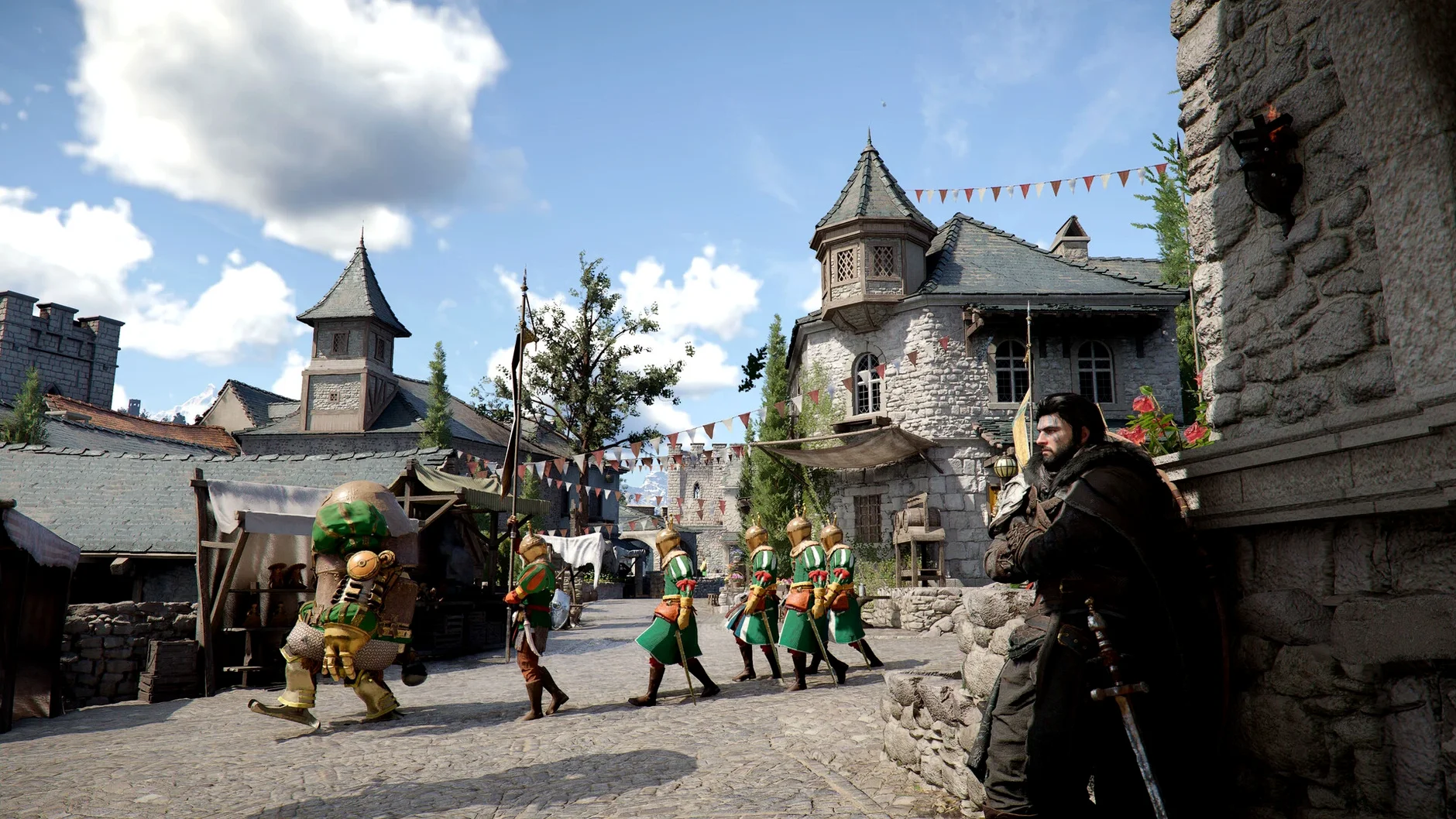
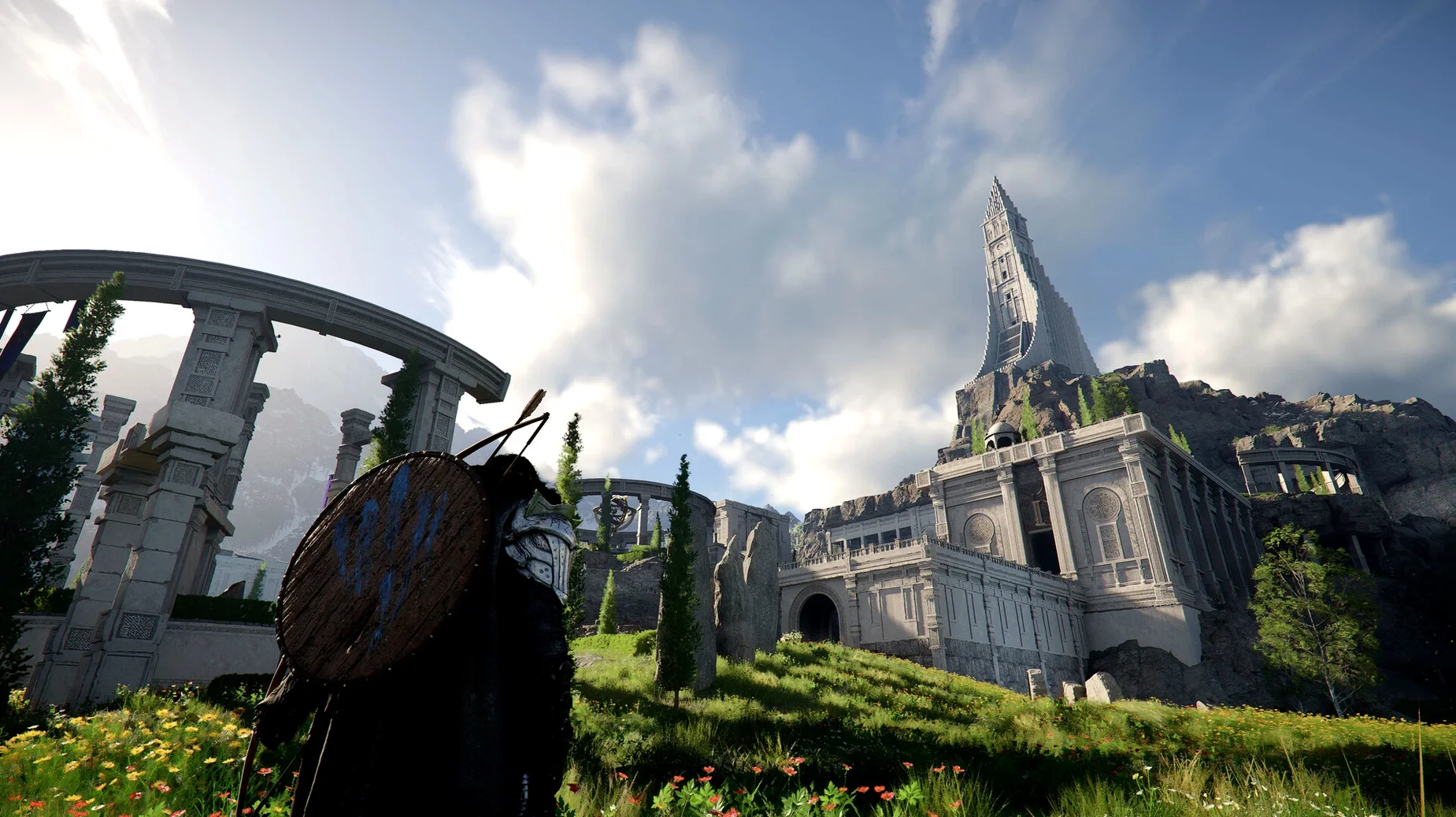
Is the world empty or lived-in? Lived-in, though quietly. Pywel does not shout at you with quest markers every fifty metres. You find things by riding toward smoke on the horizon or hearing a rumour in a village. That pacing is intentional, and it clicks around the fifteen-hour mark when you realize you have stopped following map icons and started following curiosity.
Reveal the map fast by mastering the horse’s drift-turn early
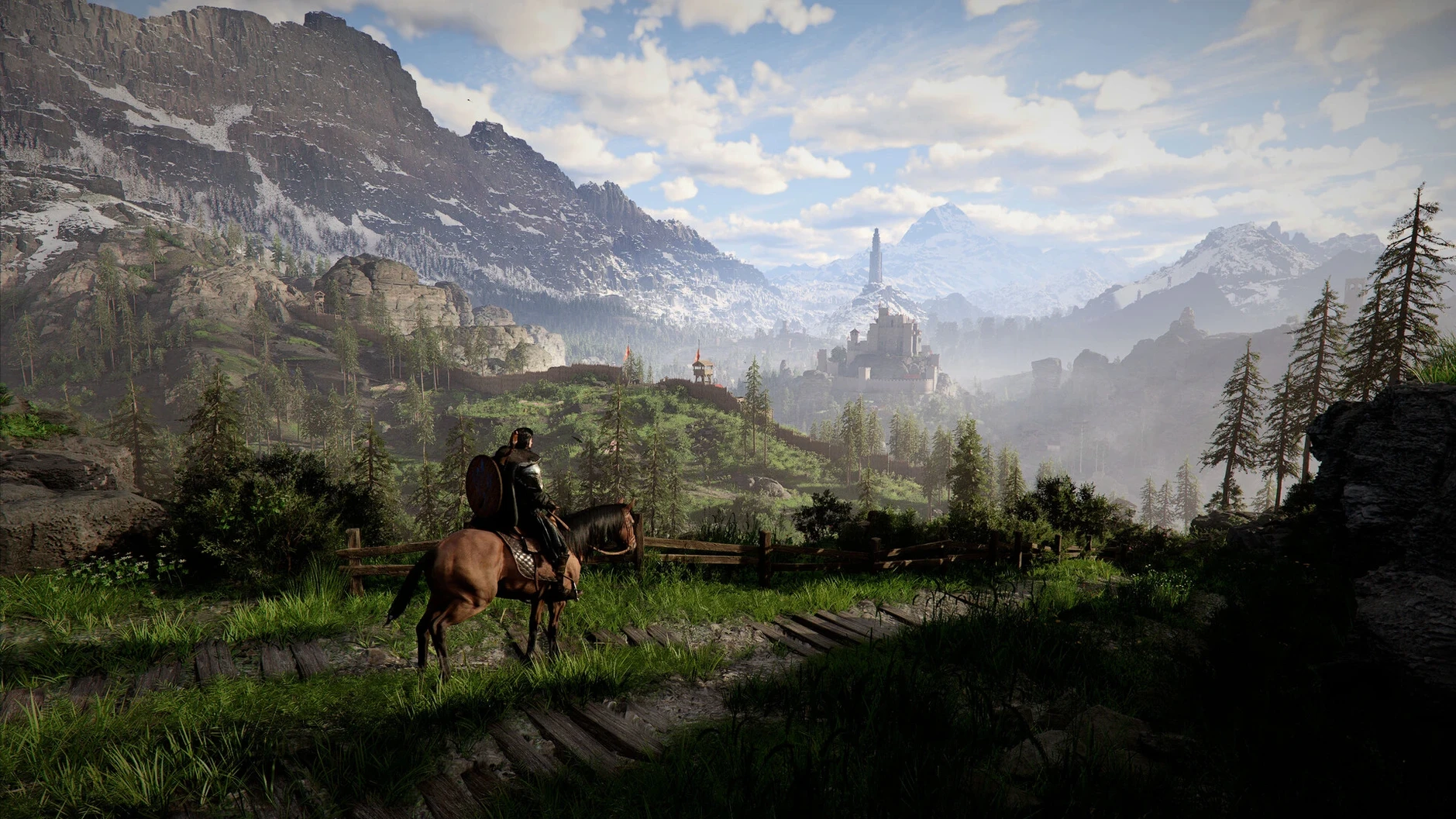
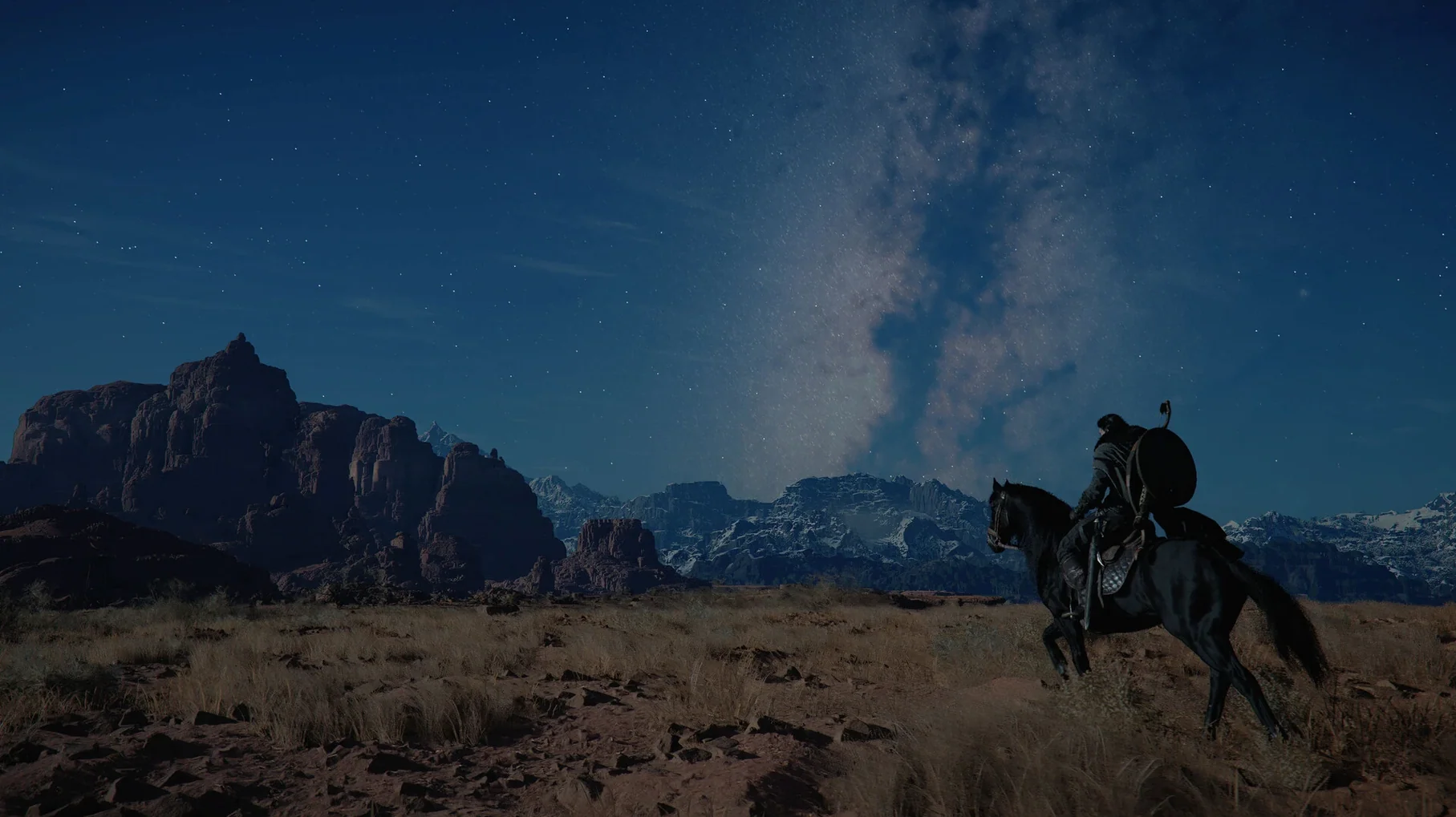
Spend your first two hours mostly on horseback. The map reveals itself generously through travel, and the mount handling — especially the drift-turn at speed — is one of those small joys that keeps traversal from becoming a chore. While you ride, listen for NPC chatter. Several side quests trigger from overheard conversations rather than exclamation points, and the localization improvements in this version make those snippets cleaner across all thirteen supported languages.
Rotate characters early, even if you feel clumsy with them. Damiana's dual-blade speed and Unca's spear reach teach you enemy behaviours that Kliff's shield lets you ignore, and switching back later makes your main feel sharper. Customize your appearance before you leave the first village — not for vanity, but because tattoos and hair changes are visible in every cutscene, and seeing your own version of Kliff in a pivotal story beat makes the Greymanes feel like your crew, not a pre-written one.
Finally, do not sleep on the Abyss. It is easy to treat it as endgame territory and avoid it for thirty hours, but the resource nodes there refresh faster than anywhere else, and the robot you can eventually control is unlocked through exploration, not story progression. Early dips into its edges pay off in crafting materials that smooth out the mid-game difficulty spike around Thornbriar Fortress.
Version 2.02.00 brings cross-save to the Mac, so you can carry your progress between Apple Silicon machines. A handful of quest and inventory bugs also got cleaned up — Thornbriar Fortress can now be properly liberated, missing letters and trade goods stay where they should, and the interface text no longer jitters in certain scenes.
- Apple Silicon Mac
Questions from the booth
Three: Kliff, Unca, and Damiana, each with a distinct combat style, weapon set, and skills.
The arsenal covers sword, spear, two-handed sword, axe, dual blades, and ranged weapons, spread across the different characters.