Going Medieval is a colony sim where you rebuild civilization one limestone block and hungry winter at a time, in a world scrubbed clean by plague.
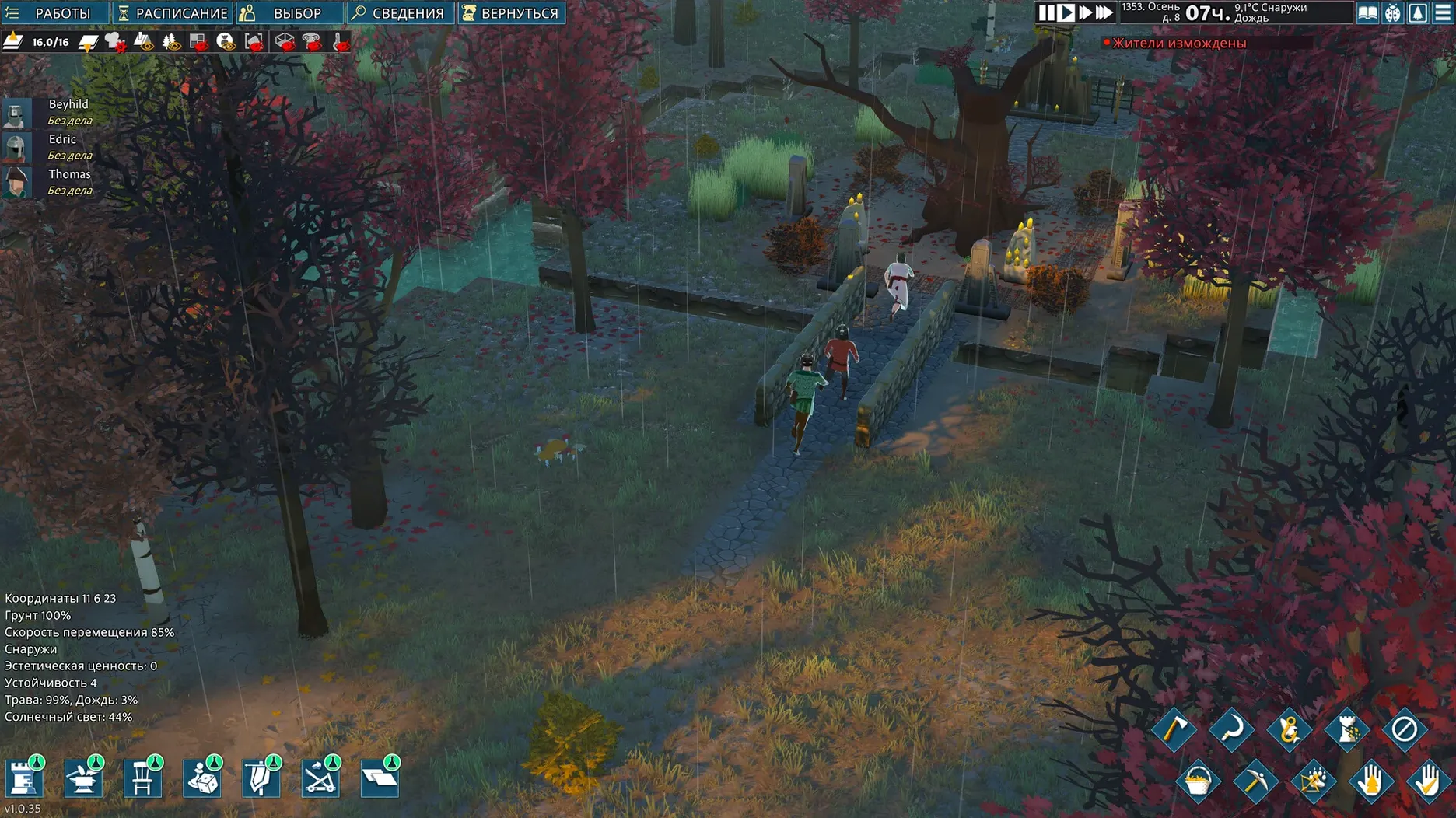
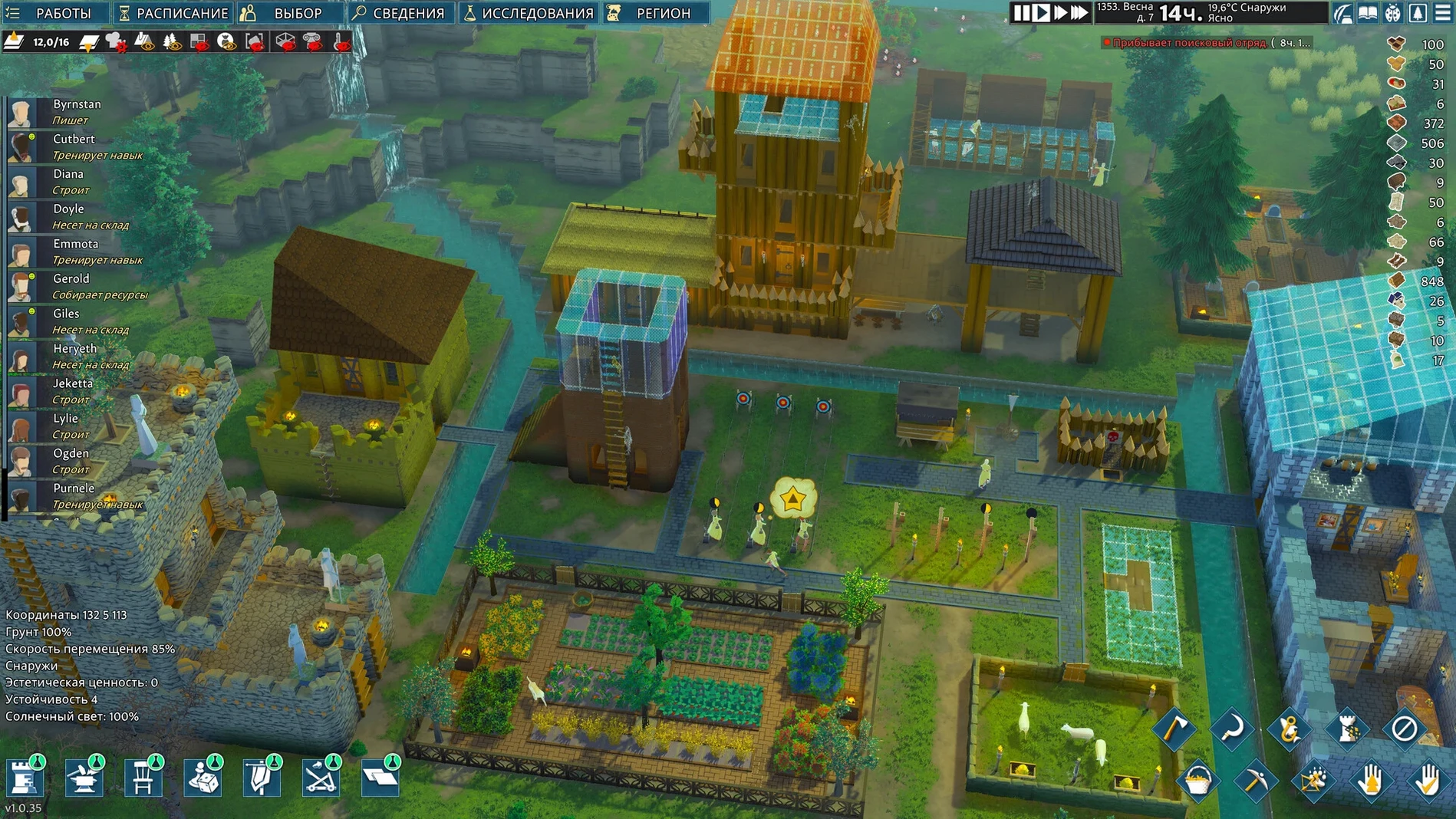
Morning on the ground — you zoom down to a settler trudging toward a clay deposit. You drag a mining order across the vein, watch the voxel earth sink layer by layer, and queue up a staircase before she gets herself trapped in the hole she just dug.
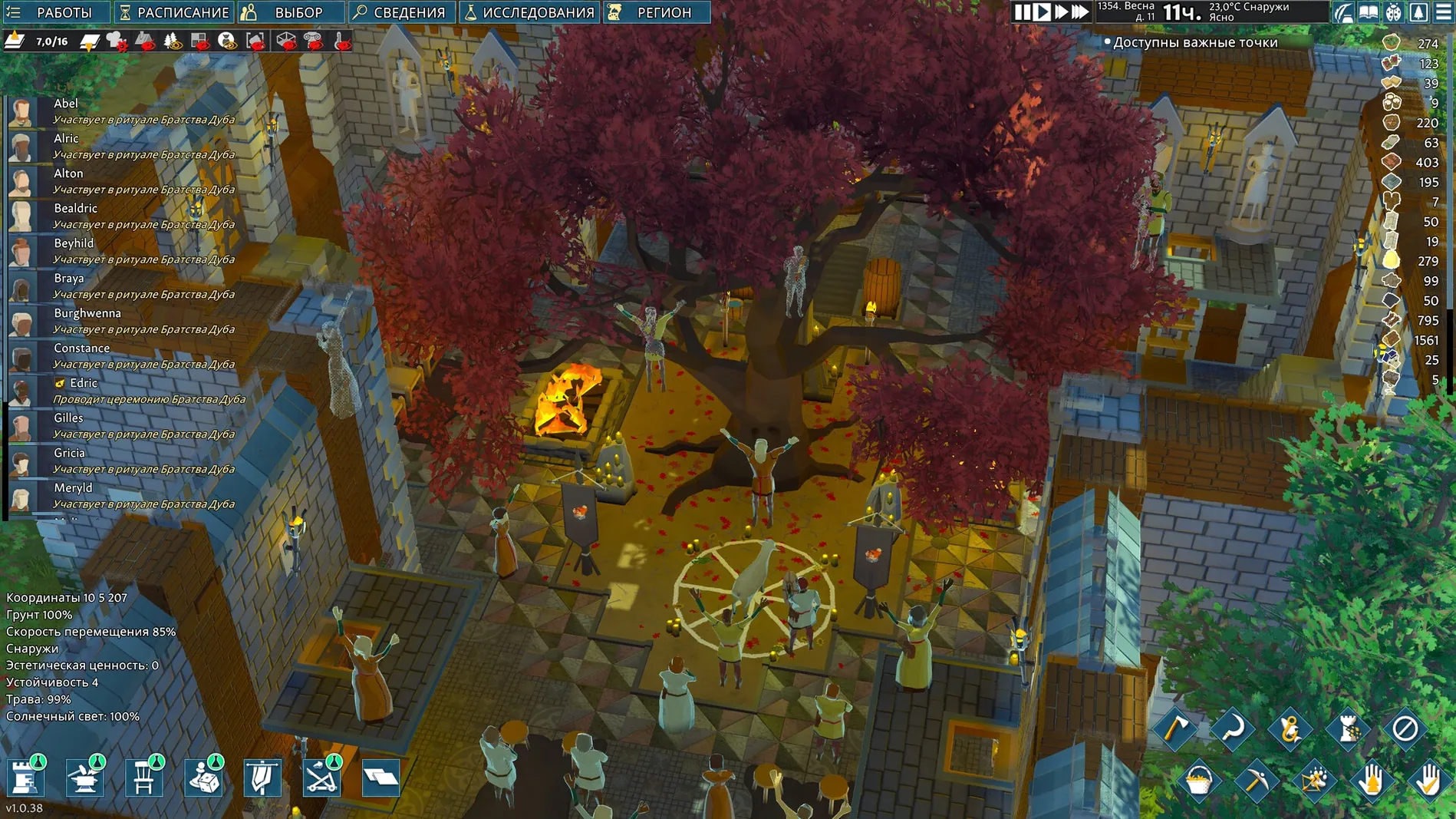
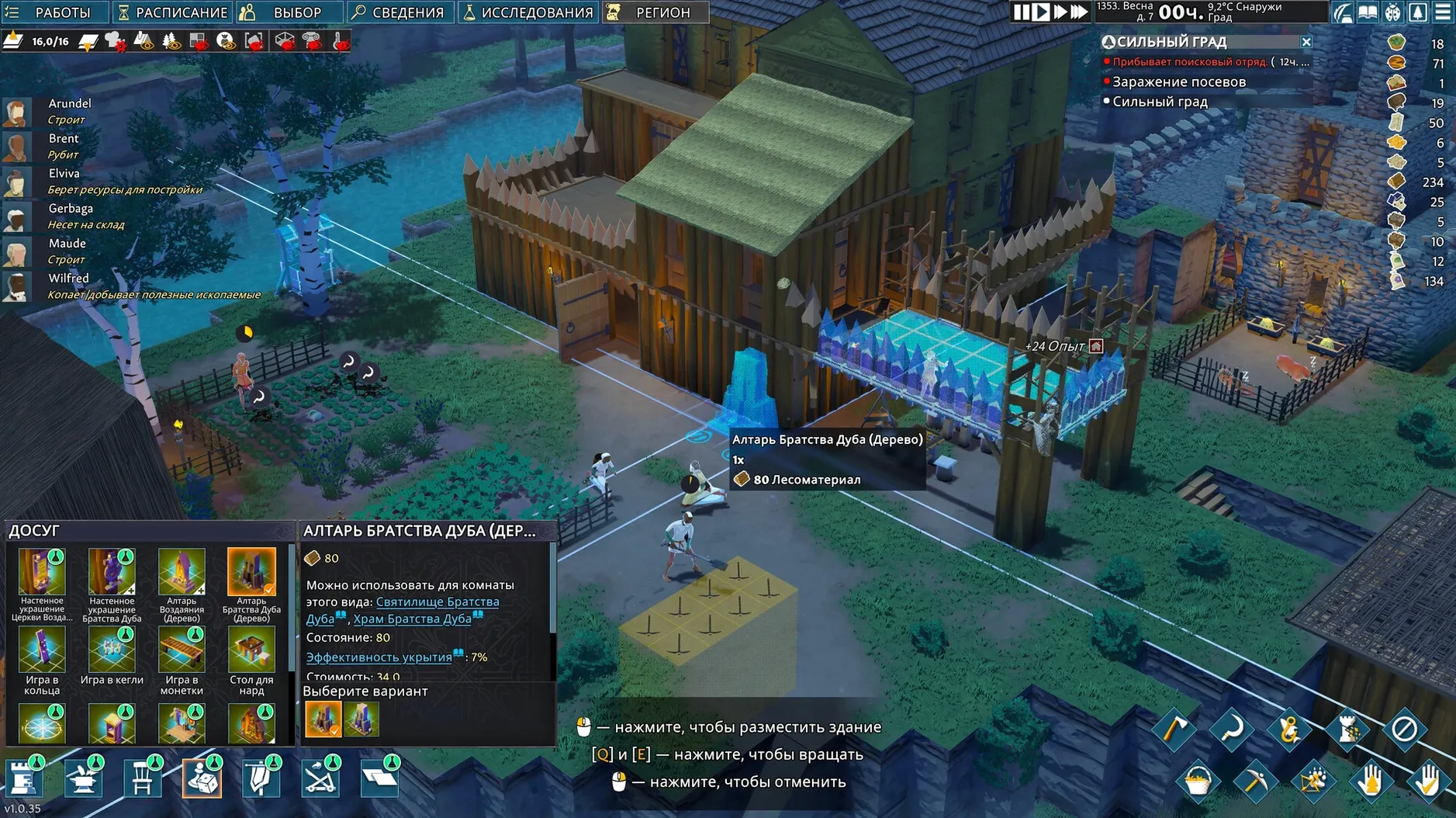
Room and purpose — walls alone don't make a great hall. You designate an enclosed space, set its role from a list that includes kitchens, bedrooms, and cold storage, and the game checks if it has the right size, flooring, and furnishings. A torch too few, and the room stays merely functional instead of impressive.
Personalities driving the pace — every settler arrives with traits that shape the workday. One refuses to haul, another gets a mood penalty from eating without a table. You watch their needs panel shift from green to warning amber and rearrange priorities before the settlement's morale unravels over a raw rat dinner.
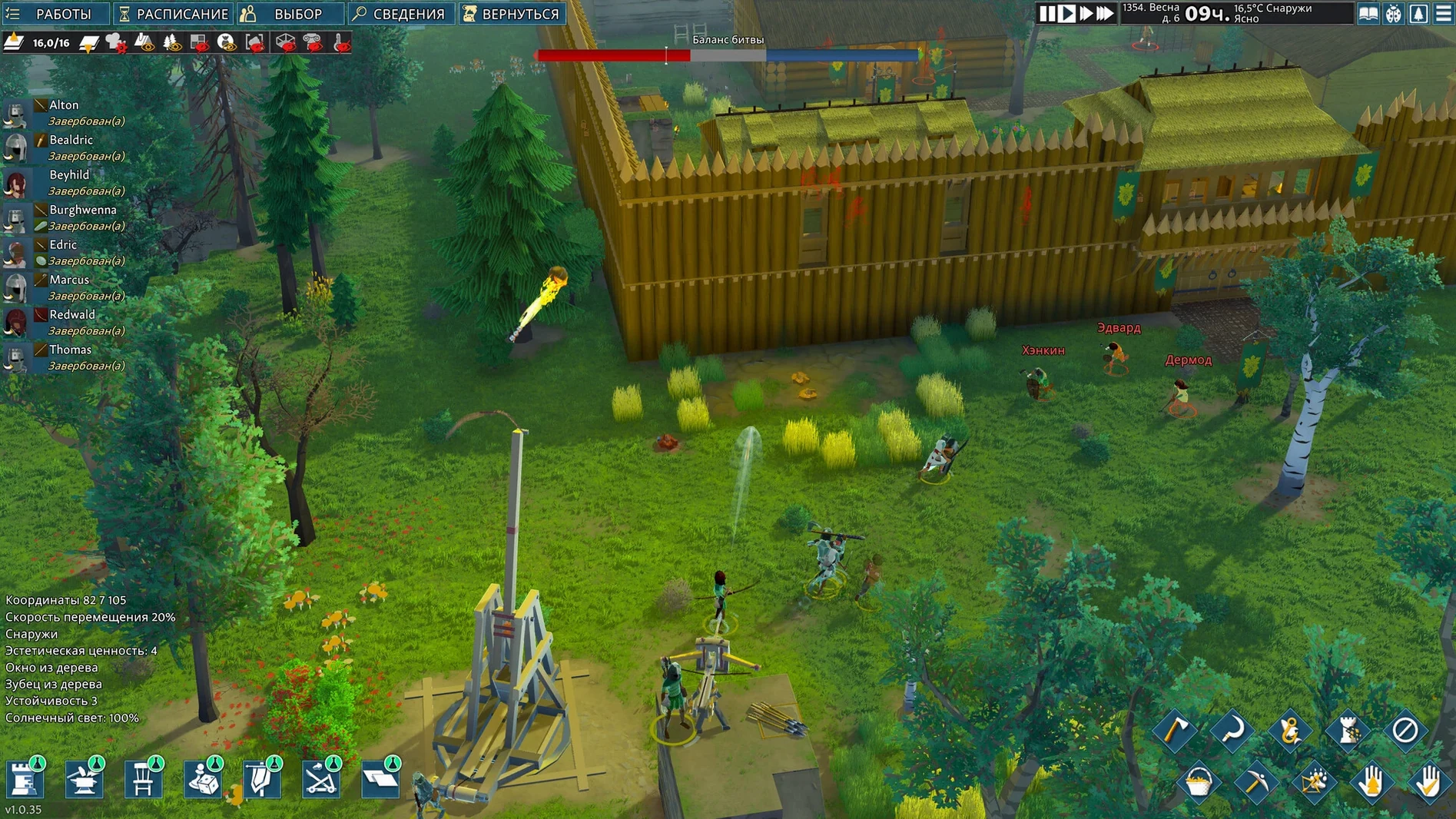
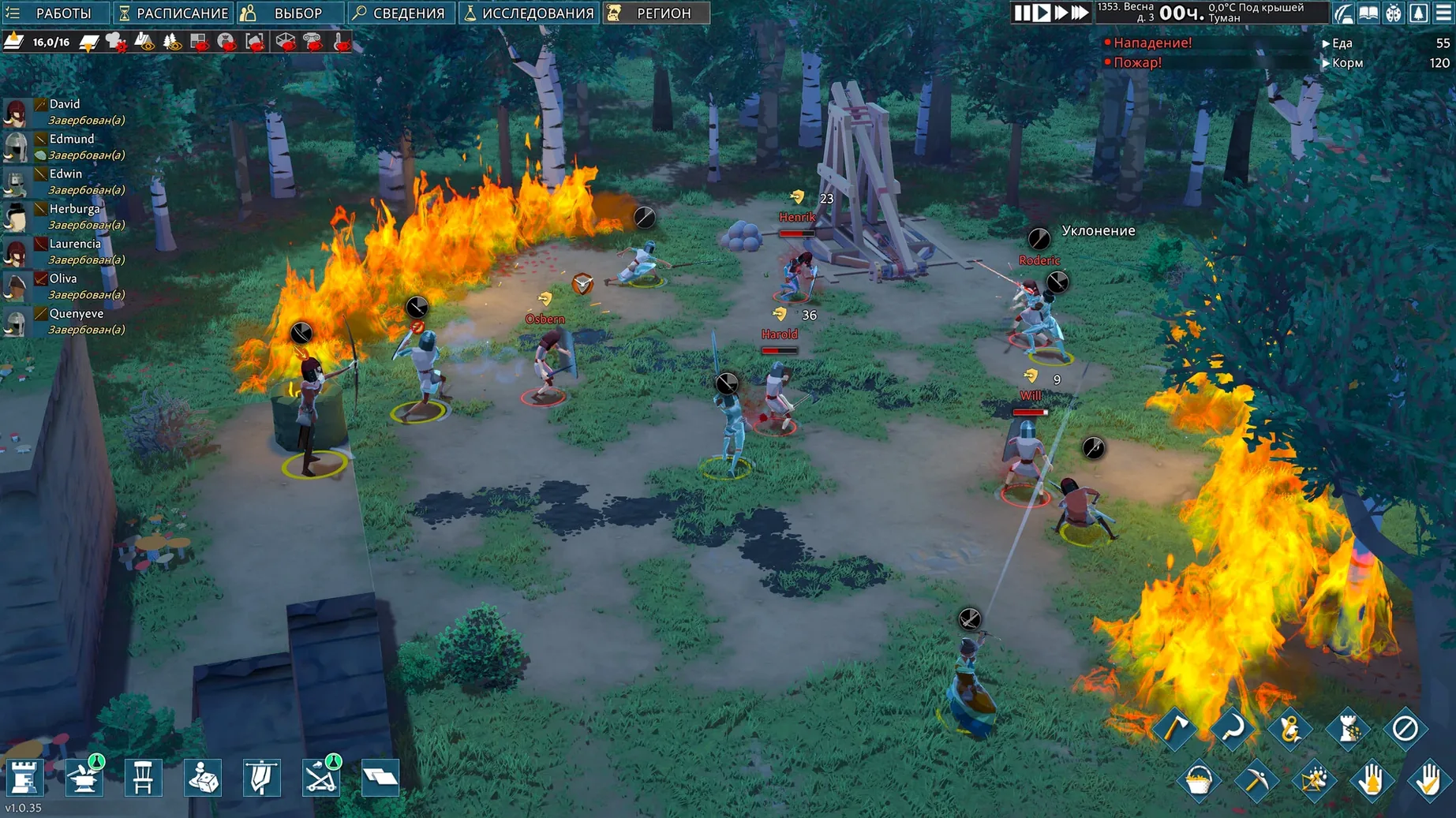
Height as defence — the 3D building tools mean you can stack stone walls into a proper keep, cut arrow slits into the second storey, or dig a frozen larder deep underground. When raiders or wolves appear at the edge of the map, your archers climb to the battlements you built, and you see the sightlines click into place.
Winter and weight — snow settles on rooftops. Crops stop growing. You rebalance the stockpile limits, butcher the last livestock, and watch a settler named Aldric haul a corpse to the crypt you carved into the hillside, grumbling about his aching back the whole way.
Fine-tuning roles without drowning in menus
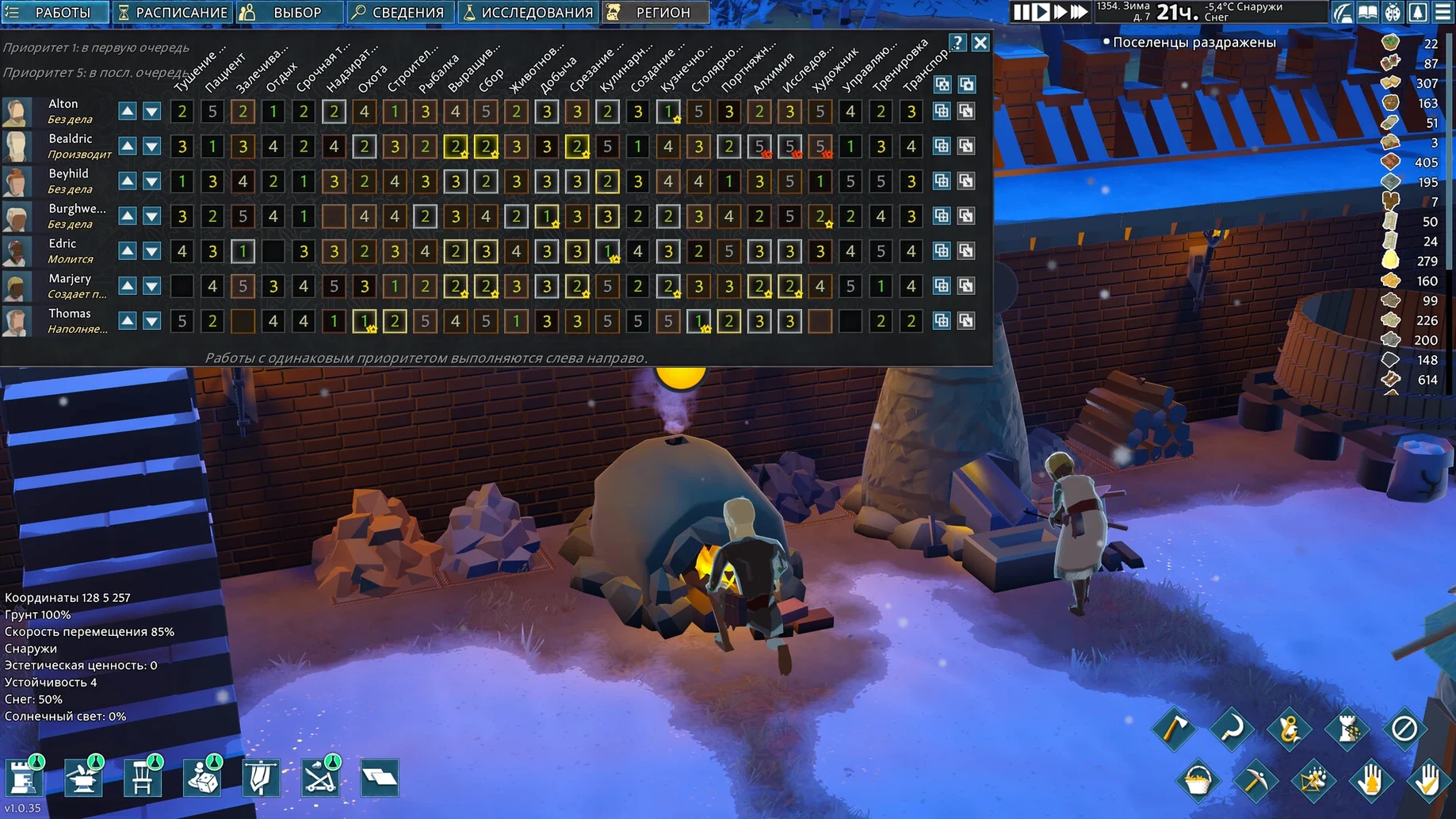
How much micro-management is actually required? Enough to make you care about each settler, but not so much that you burn out on menu-diving. The work priority system lets you set broad roles — a builder who also cooks, a researcher who hauls only when desperate — and then you can leave them to it for a stretch. You step in when the mood panel flags a problem or when winter forces a hard decision about what gets built next.
Does it run well on a MacBook Air or a Mac mini with integrated graphics? The Wineskin build works on Apple Silicon Macs and holds a steady frame rate on modest hardware, though very large colonies with dozens of settlers will eventually make any machine breathe harder. Turning down shadow detail and draw distance is a quick fix that costs you little in atmosphere.
Is it closer to RimWorld or to a city-builder like Banished? Both, and neither entirely. The layer-by-layer excavation and three-dimensional fort design set it apart from flat-plane colony sims. Combat feels more direct than RimWorld's — you position archers on ramparts and hold melee fighters at choke points — while the seasons and food rot timers echo Banished in a way that keeps your stomach tight through February. If you've spent evenings with a Going Medieval torrent Mac search tab open, the answer is yes, it scratches exactly that itch.
Standing on a parapet instead of staring at a flat grid
Compared to RimWorld, Going Medieval shares the storyteller-driven chaos and the pleasure of watching flawed characters form grudges over breakfast. But the third dimension changes everything. RimWorld's flat grid can't give you the feeling of standing on a parapet and looking down at the enemy pathing toward a trapped killbox you dug yourself. RimWorld also has a longer modding tail and a sci-fi palette; Going Medieval leans harder into soil, stone, and the weight of a single bad harvest.
Dwarf Fortress offers deeper simulation — every tooth, every sock, every poetic mood spiral — but the barrier to entry remains high even after the Steam release. Going Medieval trades that granularity for a cleaner interface and a camera you can actually explain to a friend in one sentence. You still get the multi-level engineering and the sudden tragedy, just without ASCII nightmares.
Against Banished, the comparison is seasonal survival and the ache of watching food stores dwindle. Banished is quieter, a slow erosion rather than a raid siren. Going Medieval adds combat, traits, and vertical architecture to that template, so the tension comes from both starvation and sword wounds. If Banished feels like a beautiful, melancholy spreadsheet, Going Medieval feels like a settlement that might lose a wall tonight and need you awake for it.
- Tested on macOS Tahoe
- Apple Silicon
Questions from the booth
The game's interface is available in Russian, English, German, Spanish, Simplified Chinese, Korean, Polish, Portuguese, Turkish, French, and Japanese, though its spoken audio remains music-only.