Patch 1.19.3 deepens the alt-history possibilities with a secret Australian path and new late-game threads for Siam and Indonesia, alongside the usual balance tweaks. What you get in the box is a sprawling strategic sandbox wrapped in a World War II setting, broken down here by what each mode and term actually means on your drive.
Single-player campaign — The core of the experience. Pick any nation that existed in 1936 or 1939 and steer it through production, diplomacy, research and division-level warfare. No scripted victory condition; you decide when the story feels finished.
Historical vs. ahistorical focus — A toggle that reshapes the AI. With historical focuses on, major powers follow their real-world paths closely. Turn it off and the simulation drifts: a democratic Germany, a communist Japan, a Balkan federation that actually holds together.
Ironman mode — Autosaves lock you to a single timeline. No reloading a bad battle. This is where the game's internal tension lives, and it is the only way achievements register.
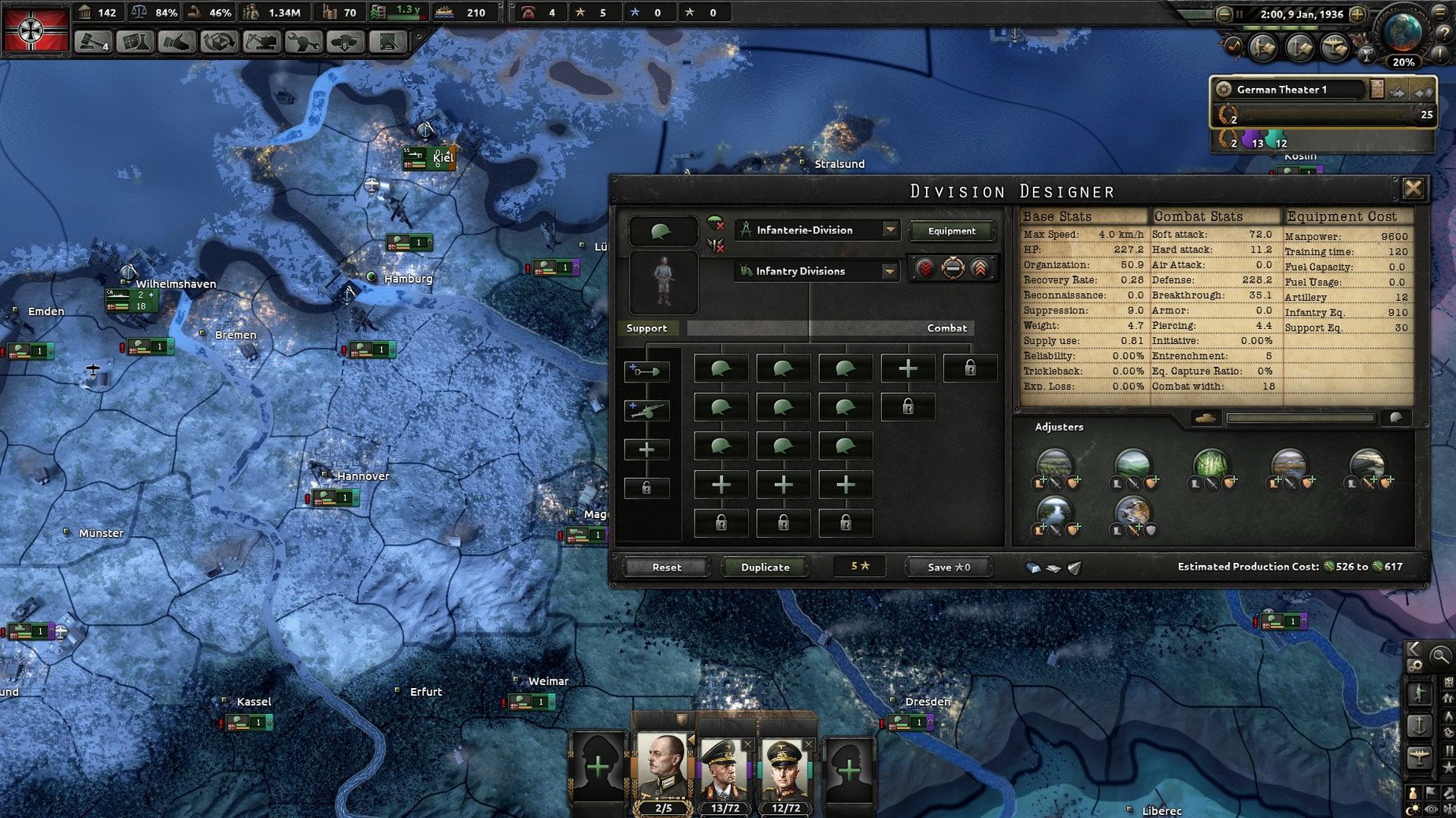
Division designer — Where spreadsheet cinema happens. You assemble battalions, support companies and equipment pools into templates, then watch those choices fail or flourish on the map.
The World War II sandbox no other Mac strategy game builds
Hearts of Iron IV occupies a strange corner of the Mac strategy shelf — one that no other title really fills. Put it next to Civilization VI and the difference is immediate: Civ spans six thousand years in an afternoon, while Hearts of Iron simulates roughly twelve years at a pace where a single production line decision can haunt you five hours later. Civ asks you to found cities; Hearts of Iron asks you to manage railway gauges and convoy escort ratios. Both reward long-term thinking, but Hearts of Iron punishes abstraction in a way Civ deliberately avoids.
Crusader Kings III shares a developer and an engine, yet the emotional register is completely different. CK3 is a dynasty soap opera — you care about your heir's congenital traits and whether your spymaster secretly hates you. Hearts of Iron is institutional. Characters exist as advisors and field marshals with stat blocks, but the game never asks you to love them. The shift from personality-driven to system-driven grand strategy is jarring if you come in expecting CK3's intimate betrayals, and refreshing if you wanted exactly the opposite.
Total War: Shogun 2 runs natively on Mac and offers real-time tactical battles alongside turn-based province management. That hybrid structure feels reactive in a way Hearts of Iron never does. In Total War, a single cavalry charge can salvage a bad campaign turn. In Hearts of Iron, there is no cavalry charge you control directly — just front lines, supply throughput, and the creeping realisation at 3 a.m. that your tank divisions have been driving on zero fuel for a month. The comparison highlights what Hearts of Iron actually is: a logistics simulator wearing a war game's uniform. If that sounds appealing, you are the audience. If you want to personally aim the artillery, you will find the abstraction maddening.
Bypass the launcher to unlock your language setting
The launcher is the first friction point on Mac. The game ships with a dowser utility inside the application bundle, and skipping it means the language setting stays locked to whatever it defaulted to. Open the package contents, navigate to Contents/Game, launch dowser, set your language there, and always start the game through it. Bypassing this step produces a Russian interface and a lot of confused clicking.
Performance degradation in the late game catches veterans too. By 1945, the simulation is tracking division movements, production queues and AI decision trees for every nation on the map simultaneously. On Intel Macs, the frame rate can dip noticeably once the Soviet Union collapses and the Allies push into Germany. The three things that help: disable day/night cycle in the settings, turn off 3D trees and cities in the video options, and — most effectively — tag smaller nations in South America or Central Asia with the console and delete their divisions. The game is simulating them whether you see them or not.
Supply system confusion persists well past the tutorial. The 1.19 branch uses the supply hub model: hubs project supply along railways and rivers, and motorisation level determines how far from the hub your divisions can operate before penalties kick in. The common mistake is building hubs everywhere. You only need them where you intend to push. Upgrade the railway connection from your capital to the hub, set motorisation to maximum for the army group that will attack, and leave the rest on horses. Building more trucks than you have factory output for is a quiet way to lose a war.
A modder's evening with the new secret path
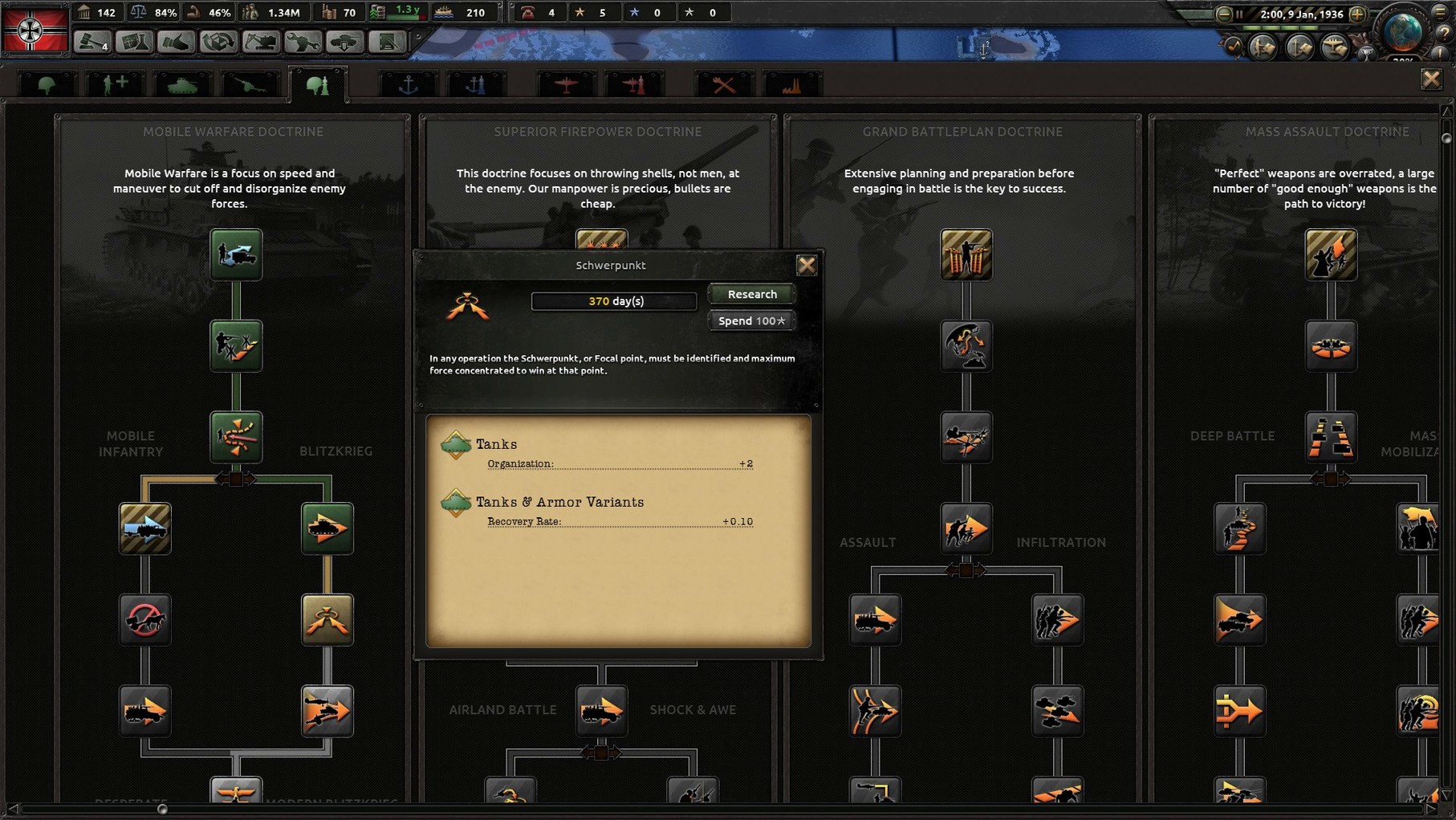
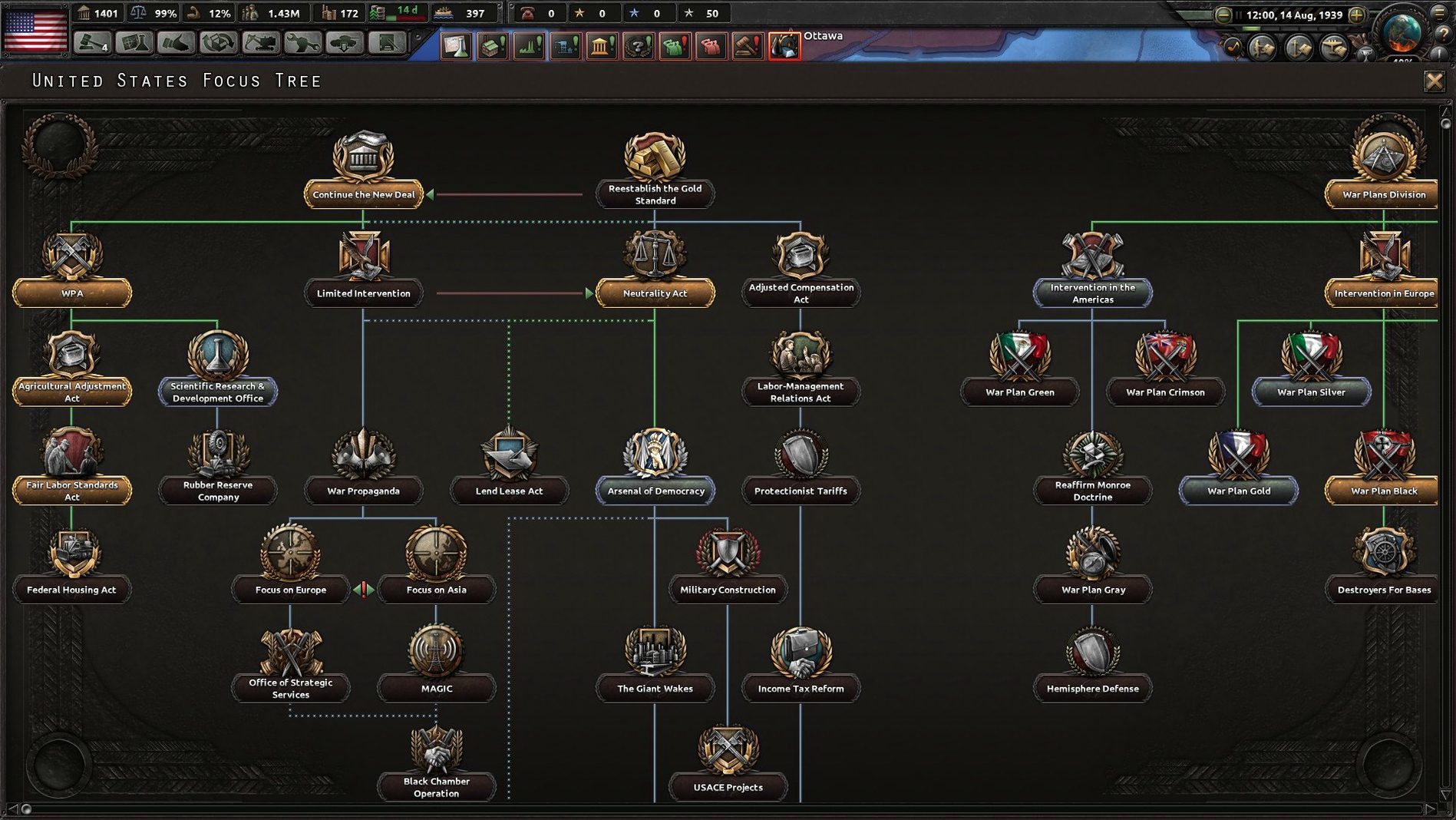
Someone who spends more time in the modding folder than the campaign map approaches patch 1.19.3 differently. They are not loading a 1936 Germany run — they are pulling apart the Australian secret path to see how Paradox structured the event chain. The new content lives in the focus tree files, and the modder's interest is practical: can this path serve as a template for a custom South American rework they have been sketching since 1.18?
They load as Australia, console-trigger the relevant national focuses, and trace the event IDs through the localisation files. The writing is dry but coherent — a chain about industrial independence and a break from British foreign policy constraints. They note the trigger conditions, copy the syntax into a scratch document, and spend an hour adapting it to a fictional Argentine path where alignment with the Axis unlocks a unique shipbuilding modifier. The game never launches past the loading screen during that session. That is not the point. The point is the scaffold.
Workflow: a naval invasion from planning to landing
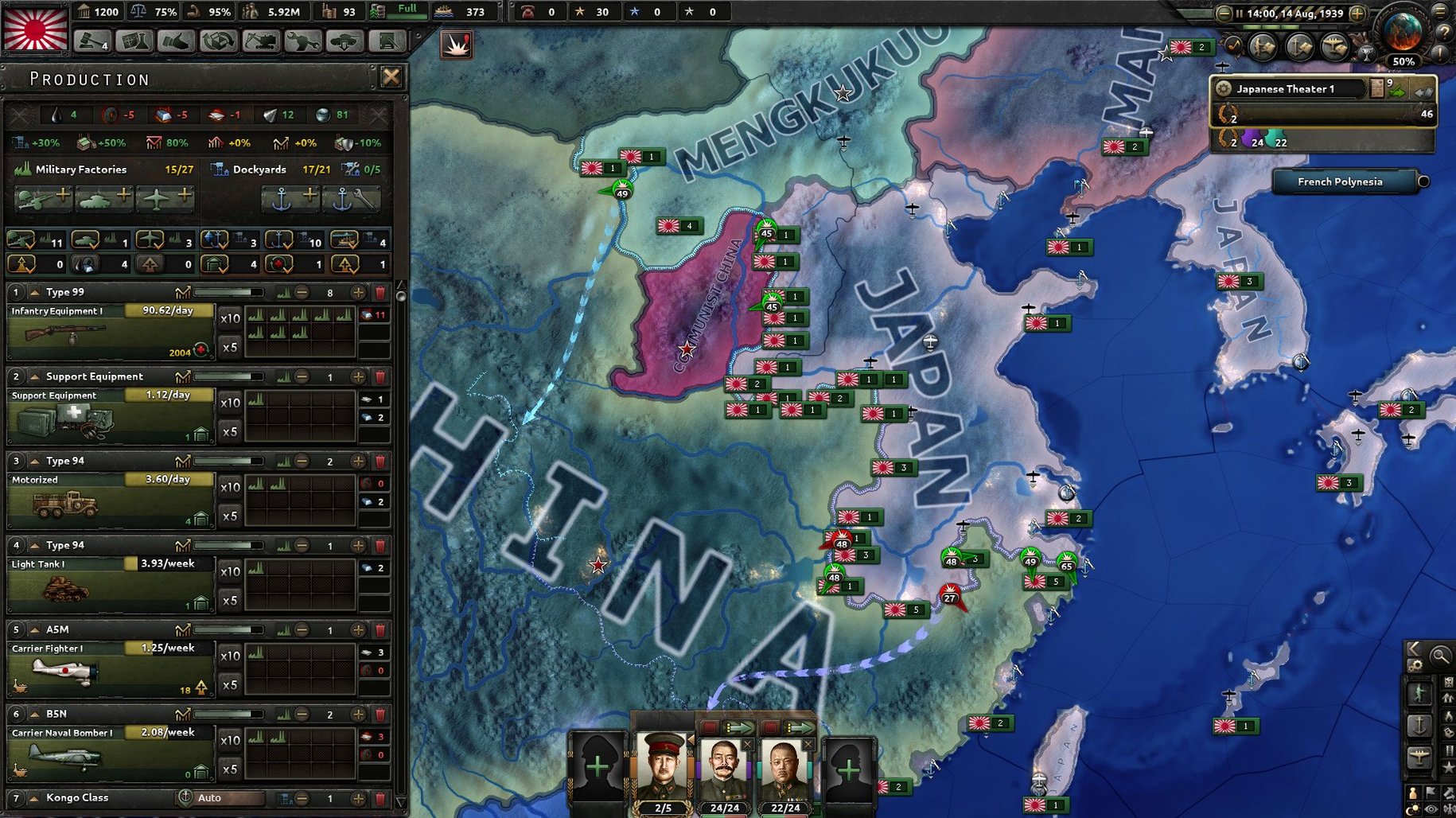
Say you are playing Japan in 1941 and need to seize the Dutch East Indies before the fuel reserves run dry. The task is a multi-island naval invasion, and doing it cleanly rewards methodical setup. Start in the navy tab and assign your carrier strike groups to patrol the South China Sea and the Sulu Sea. Without naval supremacy in every sea zone the invasion route crosses, the plan will not fire. Split off a few destroyer squadrons for convoy escort — the troop transports will not protect themselves.
Move to the army planner and select six marine divisions with engineers and artillery support. Marines get a bonus to amphibious landings that regular infantry lack. Set the invasion orders: one landing on Java, one on Sumatra, one on Borneo. Each order needs a preparation time, displayed as a countdown in the division's status panel. Rushing the order before the timer completes means landing with severe combat penalties, so wait.
While the timer ticks, open the air map mode and station tactical bombers on airfields in southern Indochina. Give them a close air support mission over the Java landing zone. The naval bombers go on port strike to catch any Dutch submarines before they sortie. When the preparation counters hit zero and the naval supremacy icons stay green across all three routes, unpause. The divisions embark, the carriers screen them, the bombers soften the beaches, and — if the supply convoys follow — Java falls before the Allies can reposition their fleet. The satisfaction is not the battle. It is the twenty minutes of setup that made the battle inevitable.
Version 1.19.3 lands with a new secret path for Australia, giving the country an alternate historical thread to follow. Siam and Indonesia both receive late-game content, extending their narrative arcs deeper into the 1940s. A round of balance adjustments and bug fixes rounds out the update.
- macOS (x86 64-bit, Intel only)