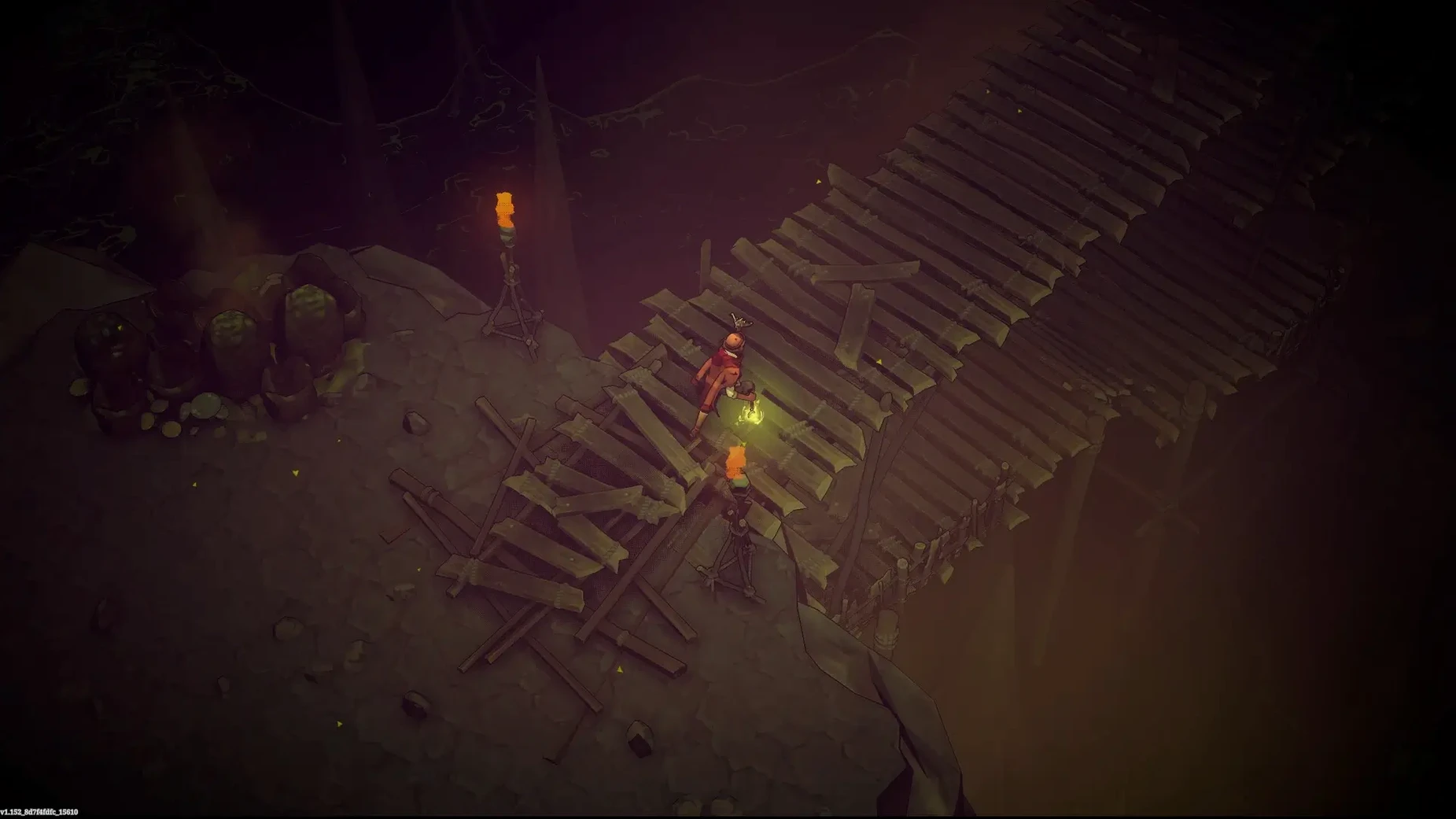
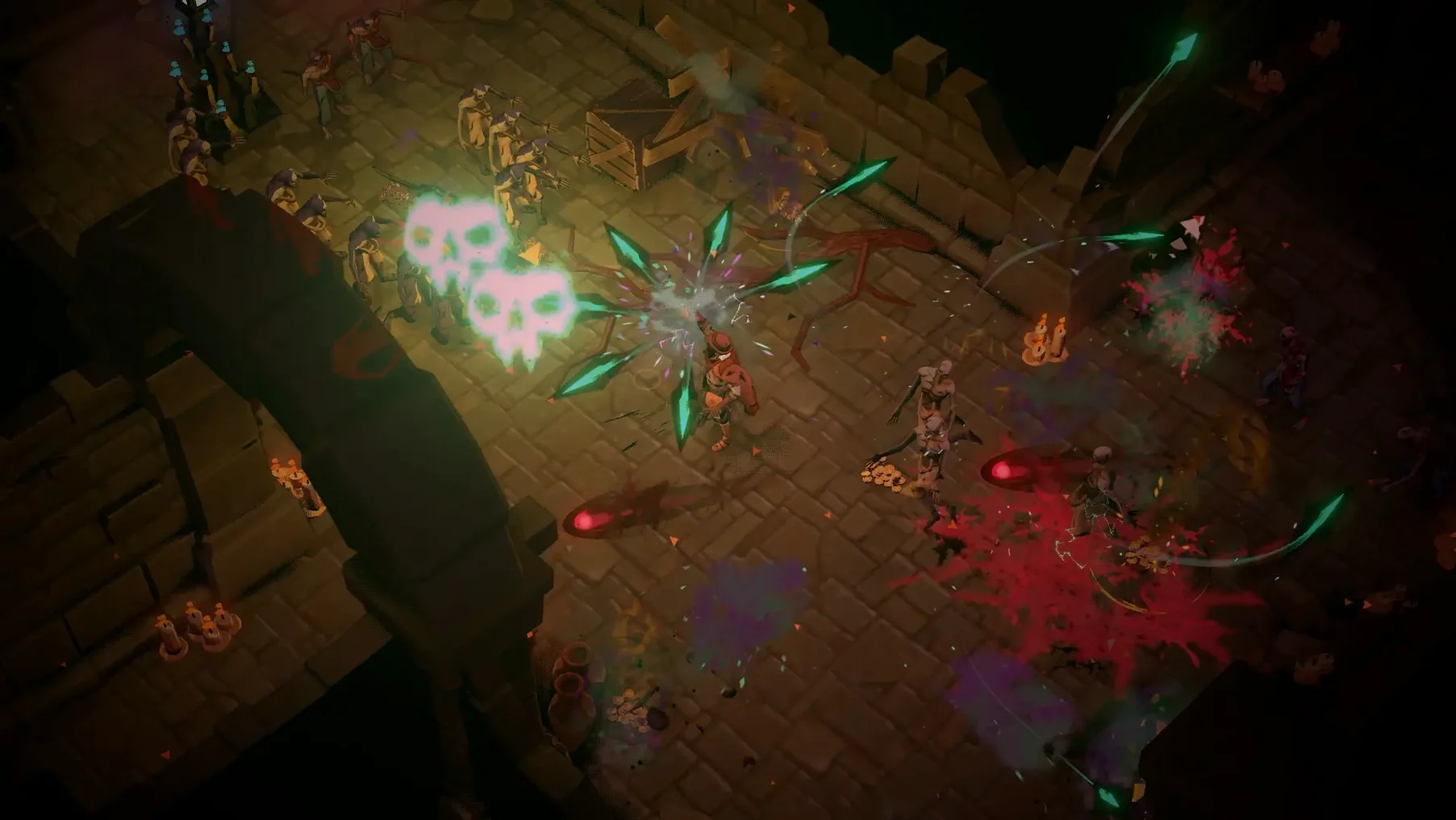
Two modes govern every second of the campaign. Deadly mode keeps the titular clock ticking with an unsparing limit, pushing you through the scrubland with a constant pressure that turns every detour into a gamble. Calm mode removes that constraint entirely, letting you poke through the ruins and piece together the lore at your own pace—something I end up doing on a first playthrough when the voice acting is this absorbing.
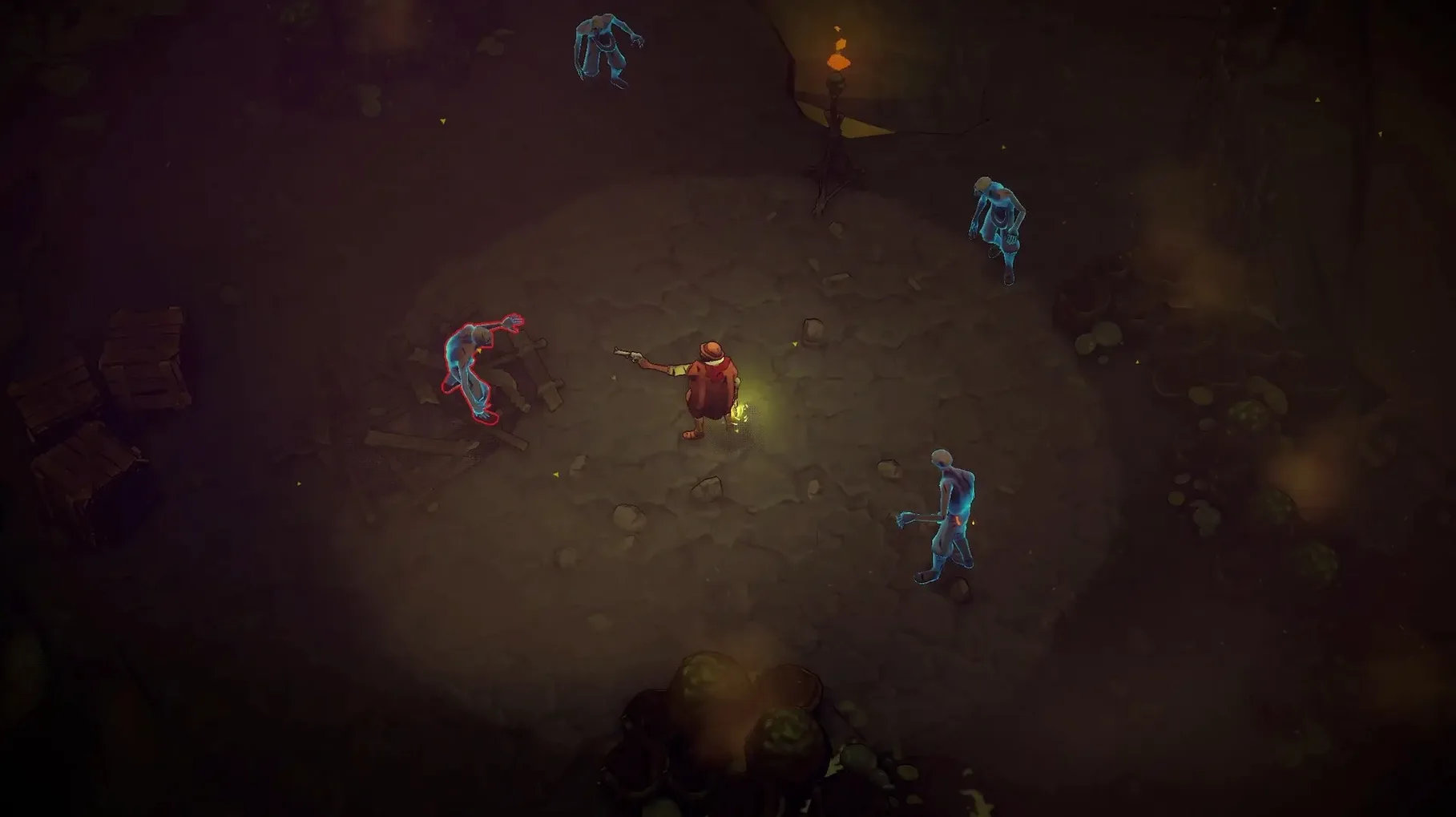
You play Pajeú, a warrior drawn into a conflict that splinters the line between history and nightmare. The fight to save the Mentor’s soul takes you through settlements swallowed by dust and dread, where undead soldiers and darker, half-formed beings wait in the chapels and creek beds. English and Portuguese voice tracks run alongside each other, and the regional cadences give the cutscenes a weight that subtitles alone rarely carry.
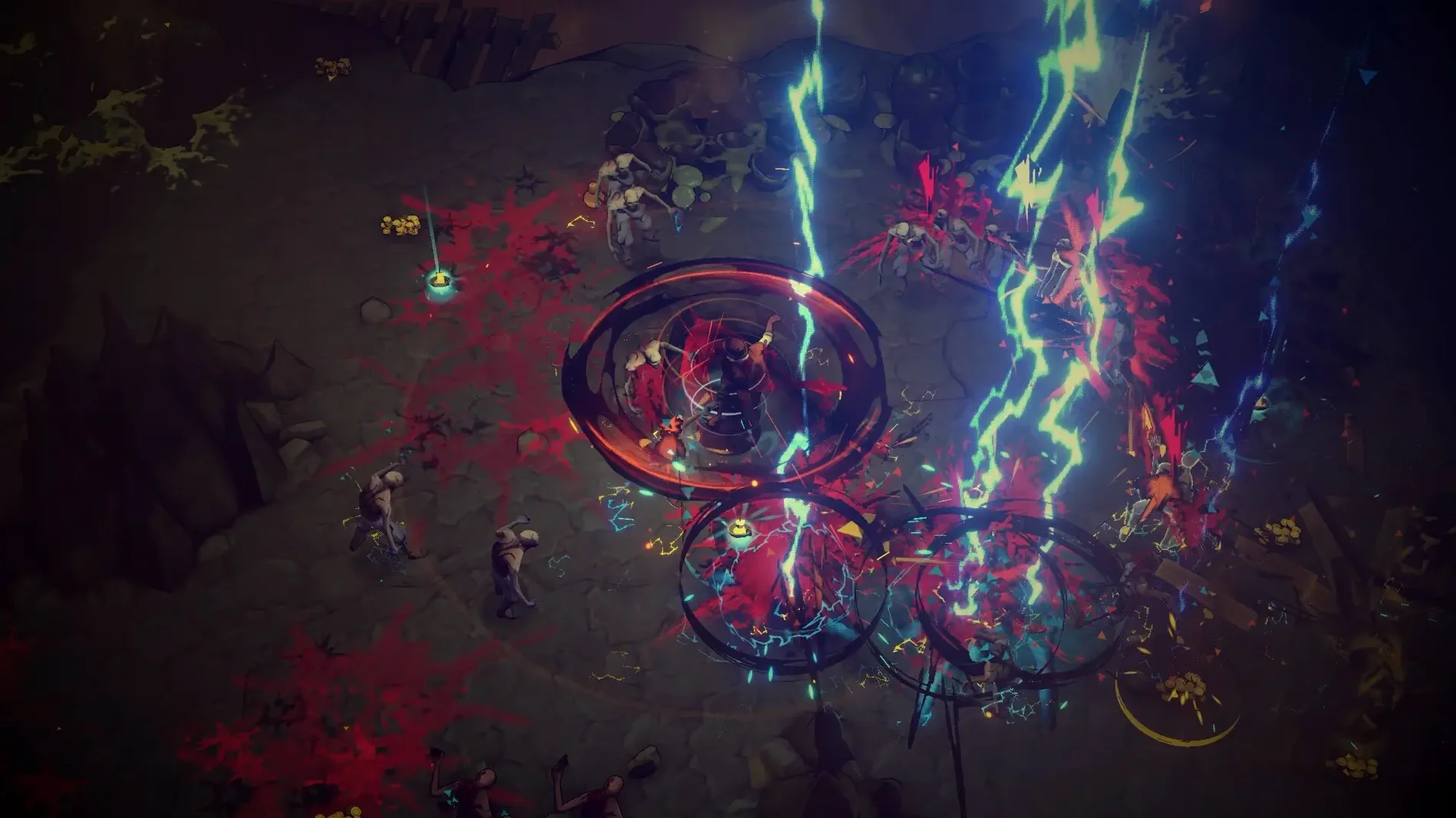
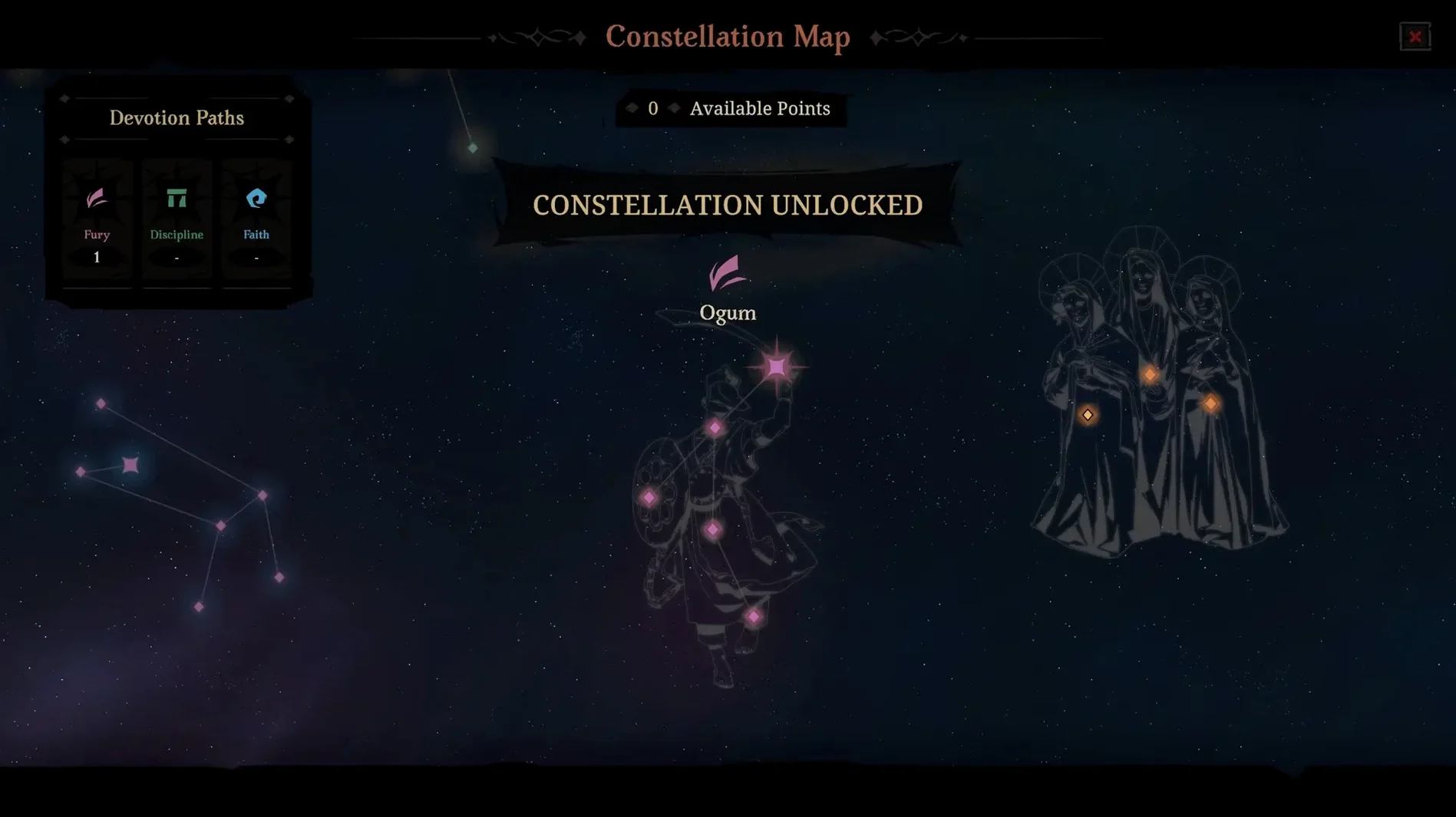
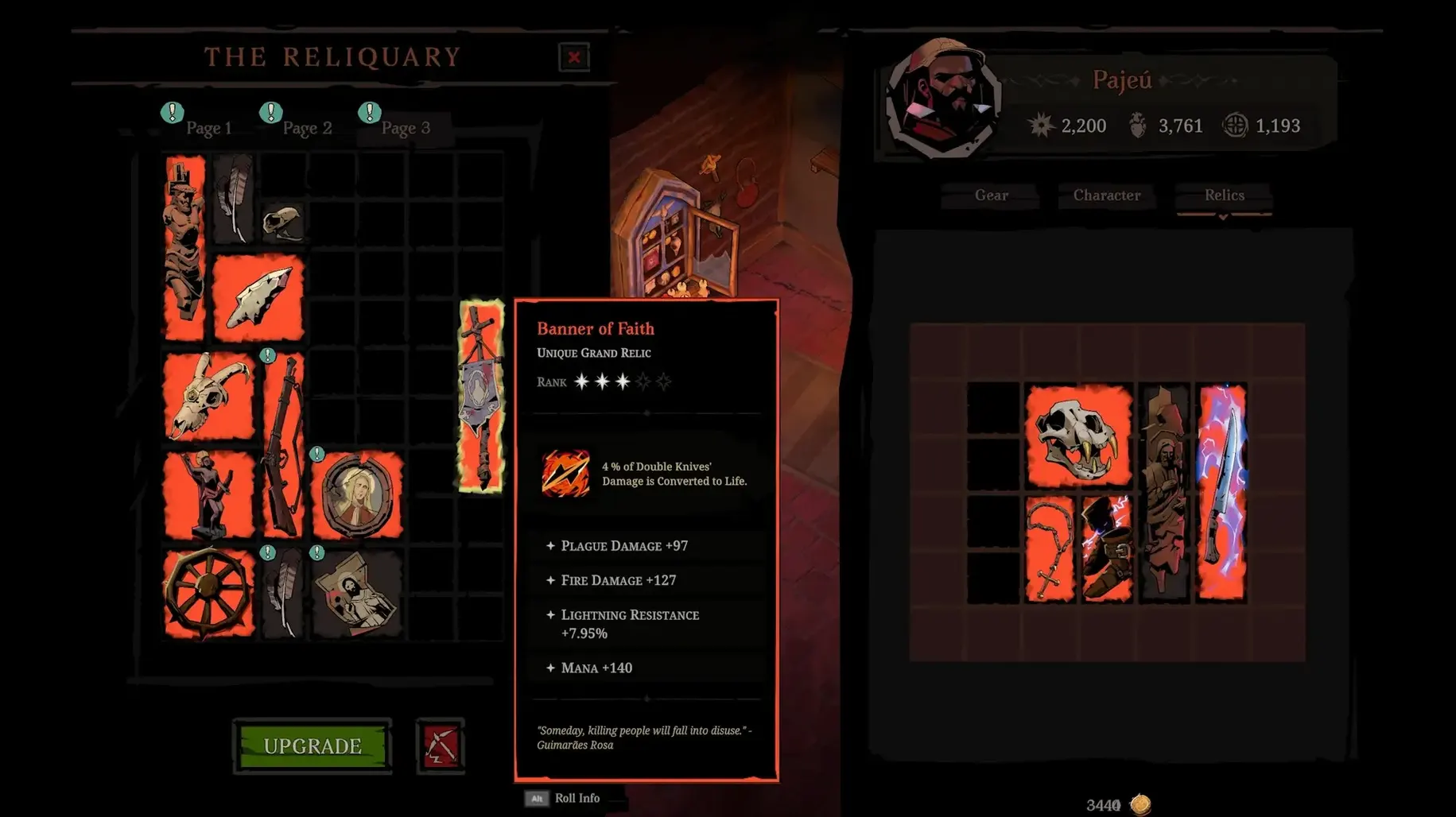
The Cursed War 2.0 update folds in a proper endgame loop. The Journeys system threads together short, repeatable arcs, while Endless Nightmares pushes your build against waves that scale past anything the main campaign throws at you. Ancient relics drop throughout all of it, and their real depth comes from combining them into synergies—stacking effects that turn a brittle loadout into something that clears a room before the clock’s last tick.
The Wineskin wrapper sidesteps Rosetta on Apple Silicon
The switch to a Wineskin wrapper means you are not getting a native Metal port, but the ARM-targeted build runs without Rosetta on Apple Silicon and the frame pacing holds steady through the busiest Endless Nightmares waves on an M1. Where earlier community wrappers sometimes dropped audio during relic-combine screens, this build keeps the Portuguese voice lines intact through every menu transition.
The Cursed War 2.0 update reshuffles the mid-game in ways you feel by the third descent. Journeys sit between full campaign runs and single skirmishes, offering short arcs with their own relic pools. This means you are no longer farming the opening chapels for a specific knife skill before the real run begins—you can target a build direction earlier and spend less time resetting. Ascension layers add a risk-reward toggle that veteran players will recognise from the roguelike heavyweights: you trade defensive margins for higher relic density, and the bell-based skills gain more from that gamble than the revolver tree does.
Deliberate knife work clicks with action-RPG fans
Players who reach for Hades or Blasphemous for a quick run will settle into the rhythm here within an hour. The combat cadence leans toward deliberate, parry-adjacent knife work rather than bullet-hell dodging, so action-RPG players who enjoy reading enemy tells rather than memorising patterns tend to stick around past the first clear. The historical framing pulls in a different crowd entirely—people who have read Euclides da Cunha or who simply want a game that treats its setting as more than window dressing. For them, Calm mode turns the scrubland into something closer to an interactive documentary, and the Portuguese voice track anchors every journal fragment in a specific, lived-in cadence.
The game also suits Mac users with limited storage who still want a dense action loop. The Wineskin build is compact, the system overhead is low enough that background tasks do not choke it, and the run structure means you can get a satisfying session in under half an hour without feeling short-changed by the narrative.
Slip-ups newcomers make
The most common one is treating the revolver as a primary damage source in the first few descents. Ammunition is scarce by design, and the early knife skills carry far more synergy with the bell stuns than the revolver tree does until you have at least two relic slots dedicated to it. New players often burn rounds on straggler enemies and arrive at the first chapel boss with an empty cylinder and a build that cannot compensate.
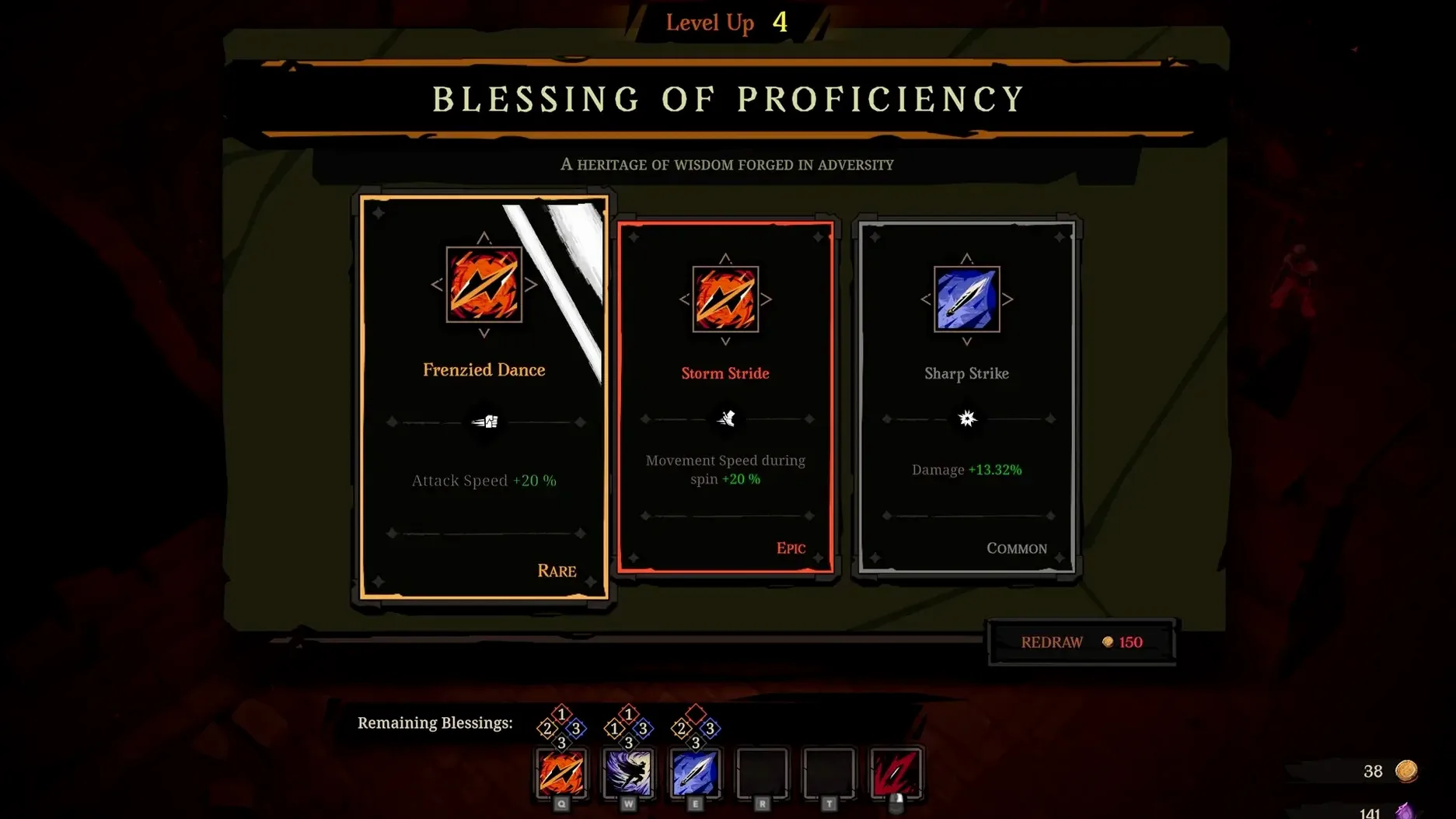
Another recurring mistake is ignoring the Unique Blessings introduced in the 2.0 update because they read as passive flavour. Several of them reshape how relics interact—one blessing, for instance, causes bell strikes to trigger a secondary knife slash on every third undead hit, which turns crowd-control relic combos into something approaching area denial. Skipping the Blessing altar on the assumption that raw relic stacking is always better will stall a run around the mid-point of Endless Nightmares.
Finally, players who dive straight into Deadly mode without at least one Calm run to learn the map layouts tend to hit a wall not from the combat challenge but from simple pathing. The clock in Deadly mode does not forgive a wrong turn through the creek-bed maze, and the enemy density there punishes backtracking. A single unhurried pass through Calm mode teaches the geography well enough to make the timed runs about tactics rather than navigation panic.
The Cursed War 2.0 update marks this Wineskin build, bringing the Journeys system for repeatable narrative arcs, the Endless Nightmares endgame mode, an Ascension layer, and Unique Blessings that reshape relic combinations.
- macOS Sequoia
- Apple Silicon (tested on Mac mini 2020 M1)
- Wineskin build for macOS