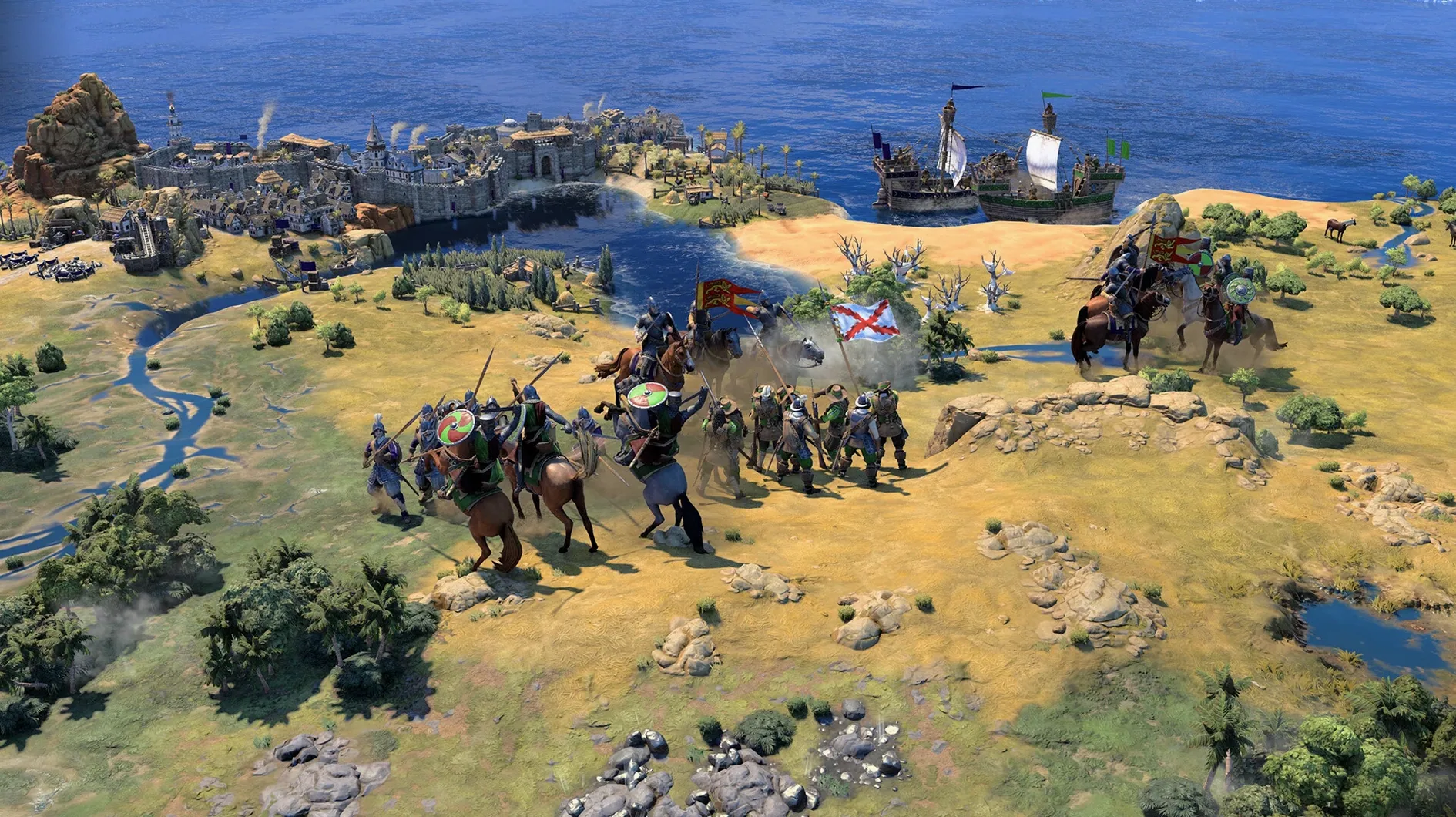
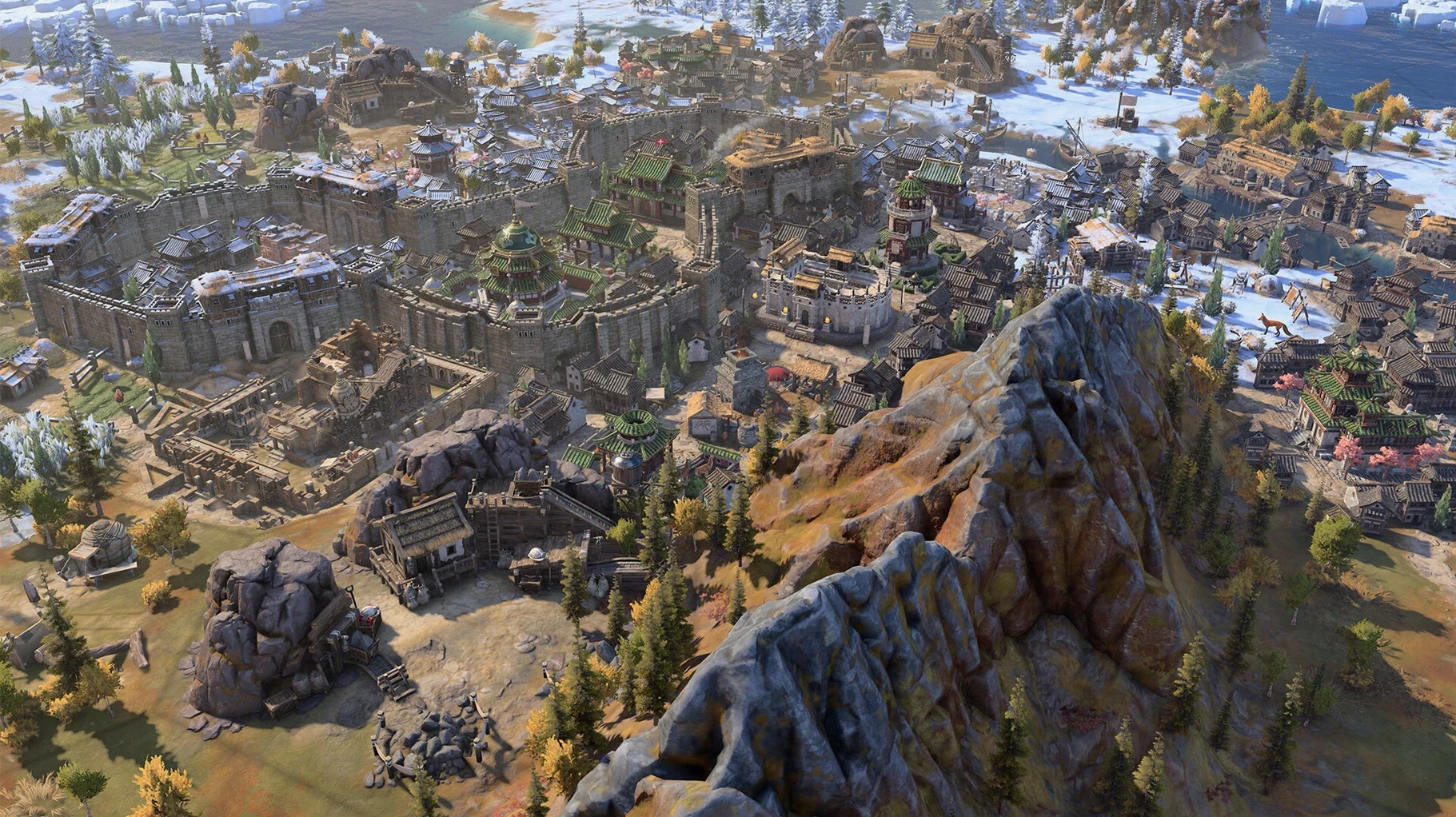
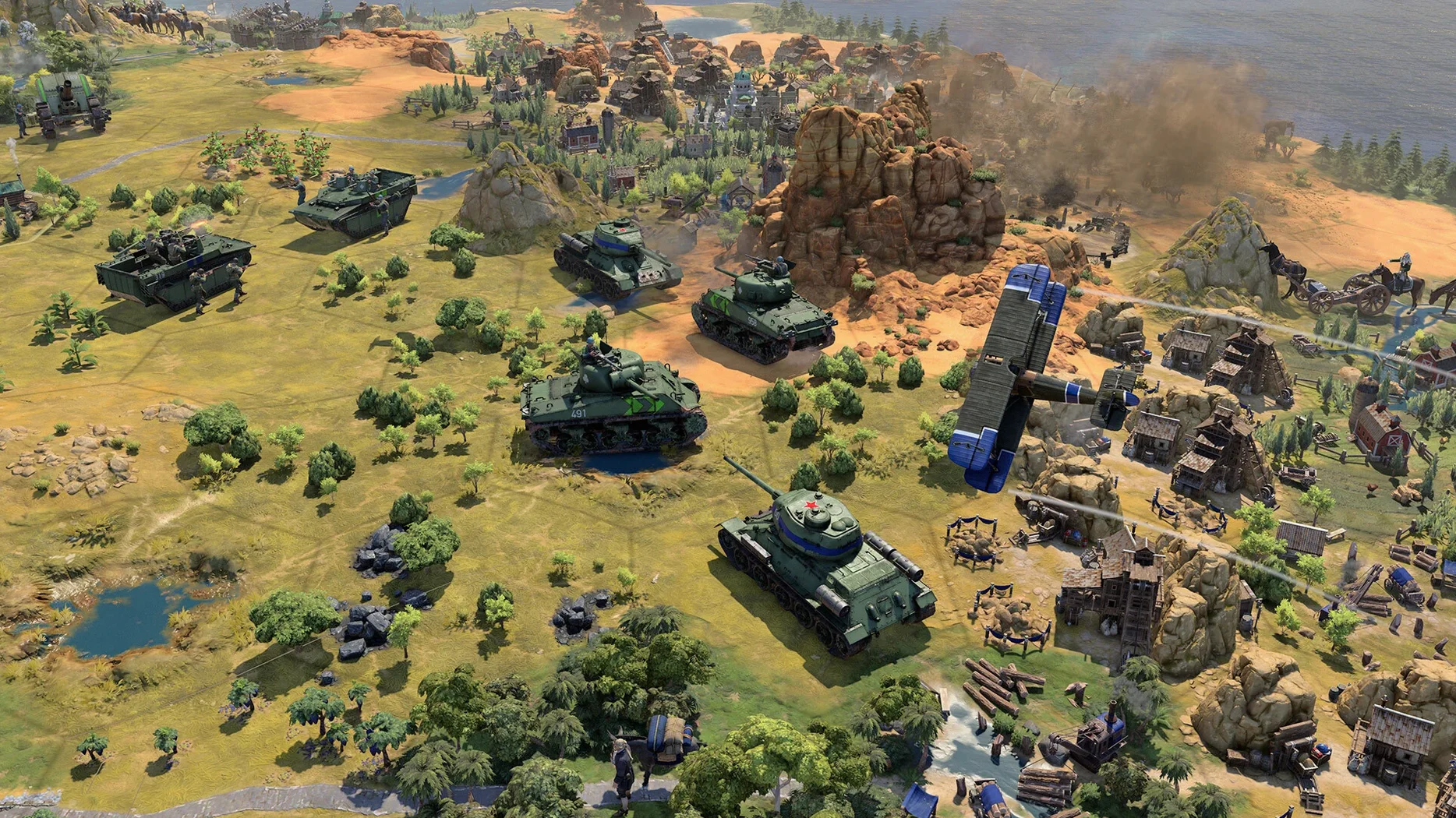
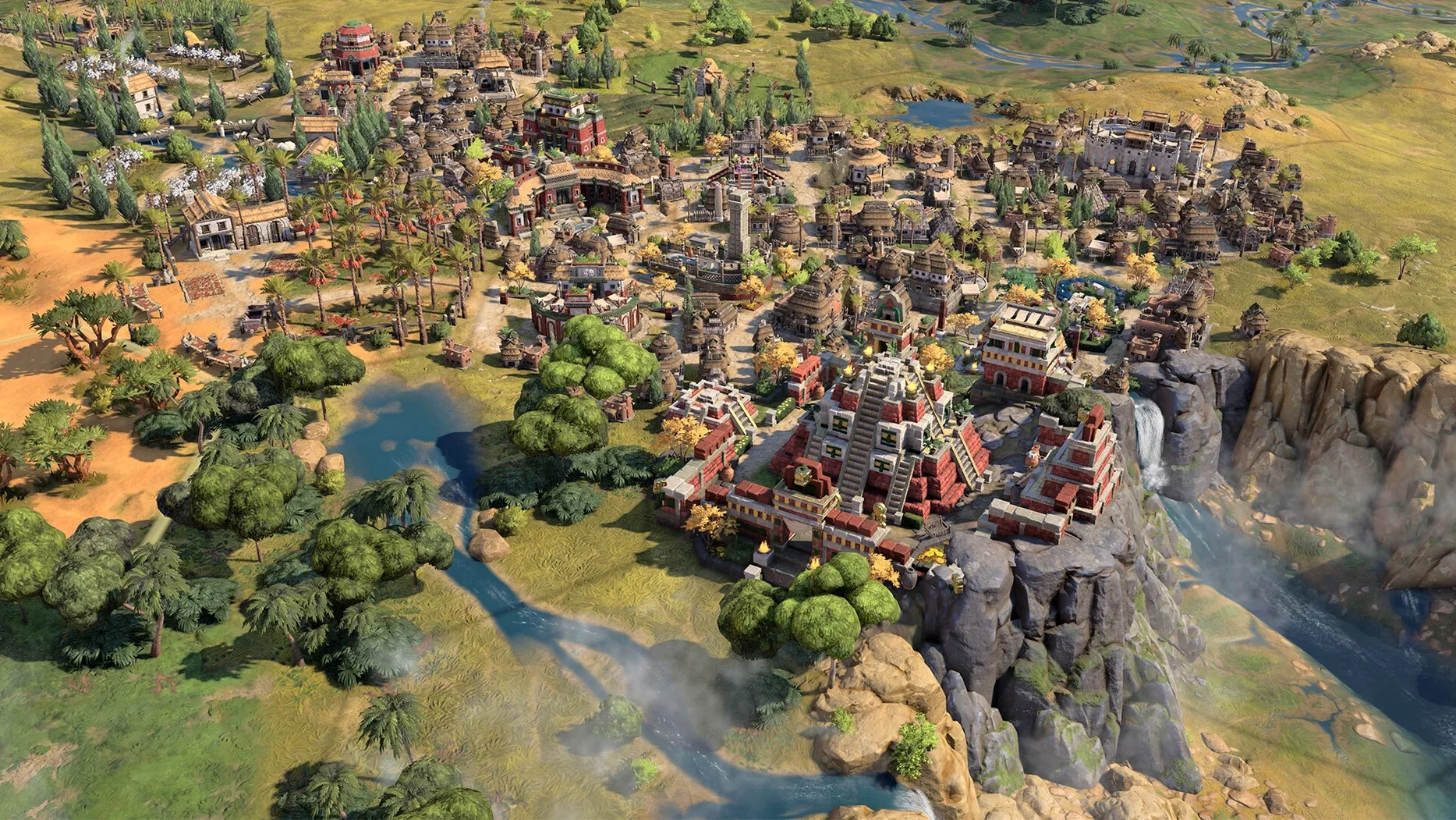
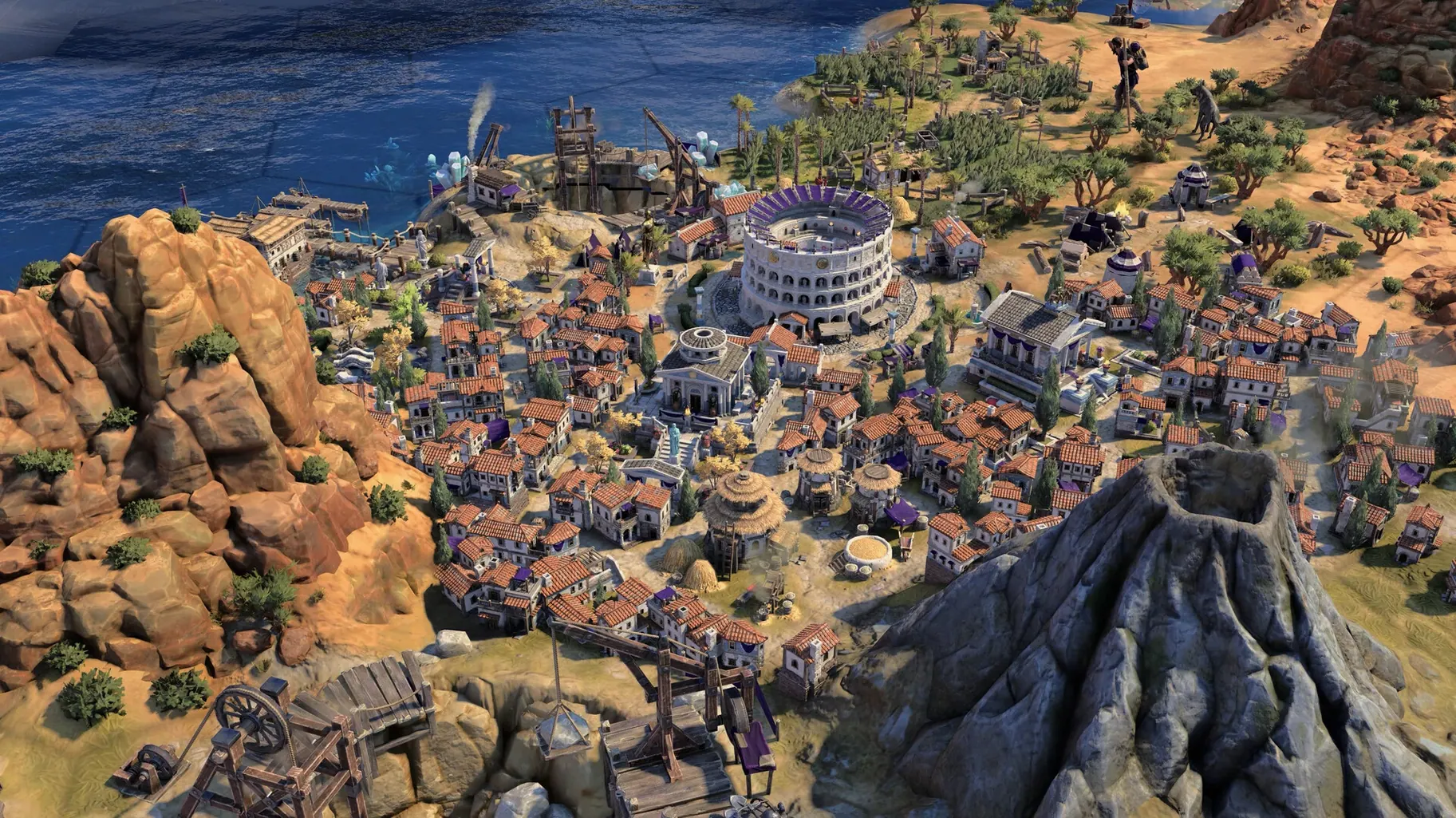
If you’ve spent evenings calibrating a project in DaVinci Resolve—balancing a grade, nudging a cut until the rhythm settles—the tempo of Civilization VII will feel like familiar ground. It does not rush you. It hands you a fledgling settlement in the ancient world and waits while you decide what kind of leader you intend to be. Firaxis Games has shaped this chapter around deliberate choices: traits, bonuses, and cultural pathways that accumulate into something unmistakably yours. The cities rise with architecture that speaks the visual language of your people, and the units carry that same attention to cultural texture.
- The game suits players who enjoy watching a plan unfold over hours, not minutes. If you are the sort of filmmaker who storyboards a short before touching a camera, you will recognize the satisfaction here.
- It rewards curiosity about systems. The interplay between diplomacy, technology, and territorial expansion asks you to think several turns ahead, much like plotting a narrative structure that pays off late.
- Players who crave tight, moment-to-moment action may find the pace too patient. This is a game of arcs, not reflexes.
- If you value atmosphere and setting as much as mechanics, the detailed world—sculpted by your decisions and rendered with a civilization’s evolving visual identity—holds a quiet, persistent pull.
- It is best approached with a cup of tea and an open afternoon. Short sessions can feel fragmentary; the game wants you to settle in.
The recent 1.5.0 update on Apple Silicon quietly smooths the path, addressing a subtle lag that could creep in when mouse and keyboard overlapped, and adding the True Start Location Earth map for those who prefer their history grounded in real geography. It is a game that understands its audience: people who find pleasure in watching a delicate, complex engine of their own design hum across centuries.
A quiet afternoon with an empire
I launch from a cold start on the Mac mini—the app bounces once in the Dock and settles. The main menu unfolds against a slow-moving backdrop of architectural silhouettes, and I decide to forgo the tutorial this time. Instead I pick Hatshepsut and drop her on the True Start Location Earth map, the one the 1.5.0 update brought in. The Nile Valley renders in soft ochres and green, and the first turn already asks a question: do I send the warrior east along the river, or keep him close while the scout pushes into the fog of war to the south?
The opening twenty turns are a quiet rhythm of small choices. I queue a monument in Thebes while the scout discovers a natural wonder two tiles from the Nubian border. By turn forty I have two cities, a fragile trade route, and a neighbour—Amina—whose polite greeting I do not entirely trust. The game does not narrate the tension aloud, but it is there in the pause between her diplomatic screen appearing and the first offer of friendship. I accept, partly because my army consists of one slinger and a half-built warrior. The afternoon slides into evening without ceremony. Around turn one hundred I realize I have been holding a cup of cold tea for twenty minutes, leaning forward as if closer proximity to the screen might speed the production queue in Memphis. It does not. What it does is pull me deeper into the particular texture of this session: the way the map feels alive with other civilizations pursuing their own opaque goals, the way each era transition reshuffles my priorities, the way a single misplaced district in the Classical Age haunts my adjacency bonuses three hours later.
Quitting with Command-Q feels abrupt, like closing a book mid-paragraph. The game remembers where I was—the autosave is recent—but the spell breaks. Next session I will need a few turns to find the thread again, to remember why I was stockpiling horses and why that unescorted settler is still standing two hexes from the border.
Tame the camera and turn off auto‑unit cycling before the map fills with cities
The defaults are reasonable, but a few adjustments early on can keep the interface from becoming an obstacle once the map is dense with cities and unit stacks.
Turn off auto-unit cycling. By default the game jumps you to the next available unit after each action. On a sprawling map with a dozen cities this becomes disorienting. Switch it off and move through units manually—the extra click is worth the spatial awareness you keep.
Lengthen the era timer. The standard pacing can feel rushed if you enjoy the Classical and Exploration Ages. Dragging the slider toward Epic or Marathon gives each era room to breathe and lets you savour the architectural and unit evolutions that define a civilization’s visual arc.
Enable yield icons and hex grid permanently. Holding a key to peek at tile yields is fine for the first hour; after that it becomes friction. Toggle both to always-on in the map options. The screen gains a layer of information that reads almost like a storyboard—each tile a decision waiting to be justified.
Adjust scroll speed and edge panning. On a Mac with a trackpad the default scroll can overshoot. Dial it down slightly and test the edge-pan sensitivity until the camera moves at the speed of your own thinking, no faster.
Who finds their rhythm here
Filmmakers who cut their own trailers or assemble complex timelines will recognize the mental muscle the game exercises. You are holding a dozen variables in your head—production queues, diplomatic slights, tech paths, city placement—and weighing how a decision on turn eighty pays off on turn one-forty. That same faculty serves an editor placing a two-second insert shot that clarifies a character beat twenty minutes later. The satisfaction is structural, earned through patience and foresight.
Writers who build worlds before they build plots tend to fall hard for the Civilization loop. The game is not just about winning; it is about the story a particular map tells. Why did Rome settle on that single-tile island in the Classical Age? What historical grudge explains the war that just erupted between two former allies? The game leaves space for the player to fill in those narratives, and the cultural styling of cities and units feeds the imagination rather than boxing it in. If you have ever paused a game to take screenshots purely for atmosphere, you are likely the intended audience.
Students and academics with irregular schedules often find the turn-based structure forgiving. A session can be thirty minutes or four hours; the game does not punish you for stepping away. The autosave system is unobtrusive, and picking up a mid-game save feels less like restarting and more like returning to a bookmarked page. That said, anyone who finds the idea of a sid meier's civilization v torrent appealing because of the offline, self-contained nature of the experience will appreciate that this instalment carries that same spirit forward, even as the visuals and systems have grown denser.
Mac users on Apple Silicon in particular get a version tuned for the architecture, and the 1.5.0 stability fixes in the Modern Age mean the late game no longer stutters when the map is full of units and wonders. If you downloaded a civilization vii mac torrent expecting a rough port, the reality is quieter: smooth frame pacing, fast turn processing, and an interface that feels native rather than translated. The game rewards the kind of player who treats each session as a chapter in a long, self-authored history, and on a Mac in a quiet room, that is exactly the mood it cultivates.
The 1.5.0 update introduces the True Start Location Earth map, anchoring your civilization to its historical geography. Late-game Modern Age stability has been tightened with several crash fixes, and an odd lag that surfaced when mouse and keyboard inputs fired simultaneously has been addressed.
- Apple Silicon Mac
Questions from the booth
The Mac release requires Apple Silicon, so it will not run on older Intel-based machines.
The interface supports Russian, English, German, Spanish, Italian, Traditional Chinese, Simplified Chinese, Korean, Polish, Portuguese, French, and Japanese.