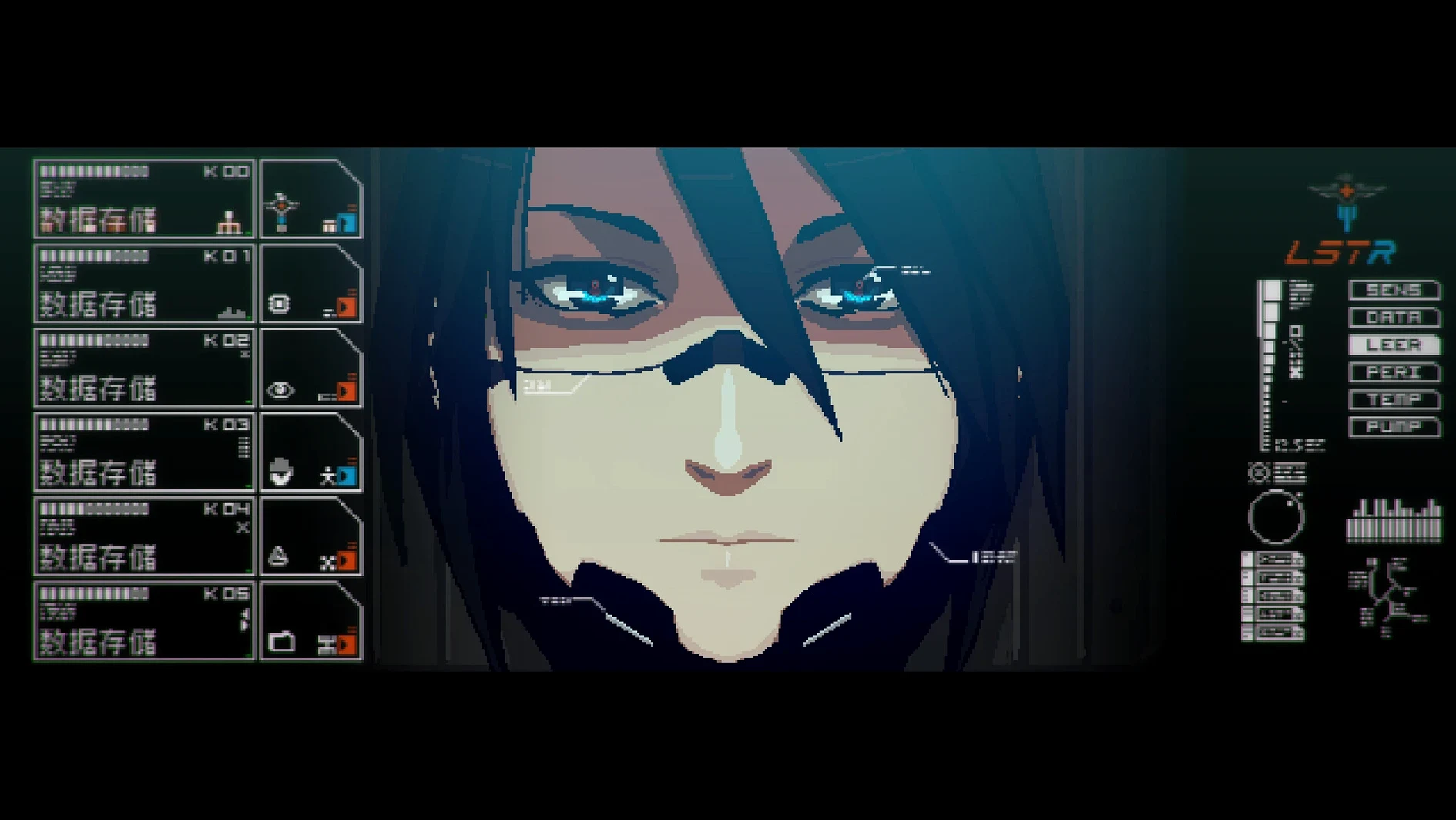
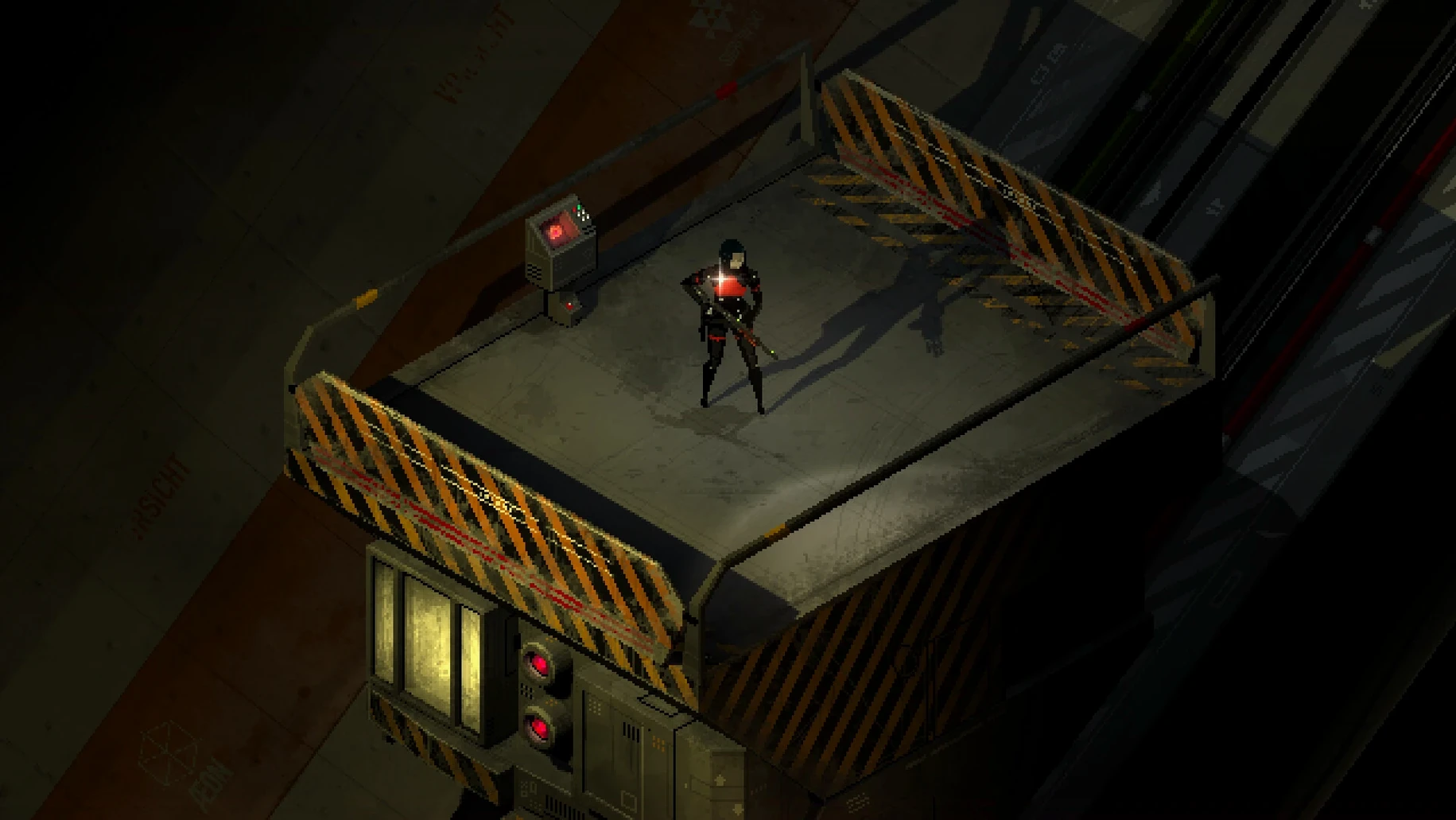
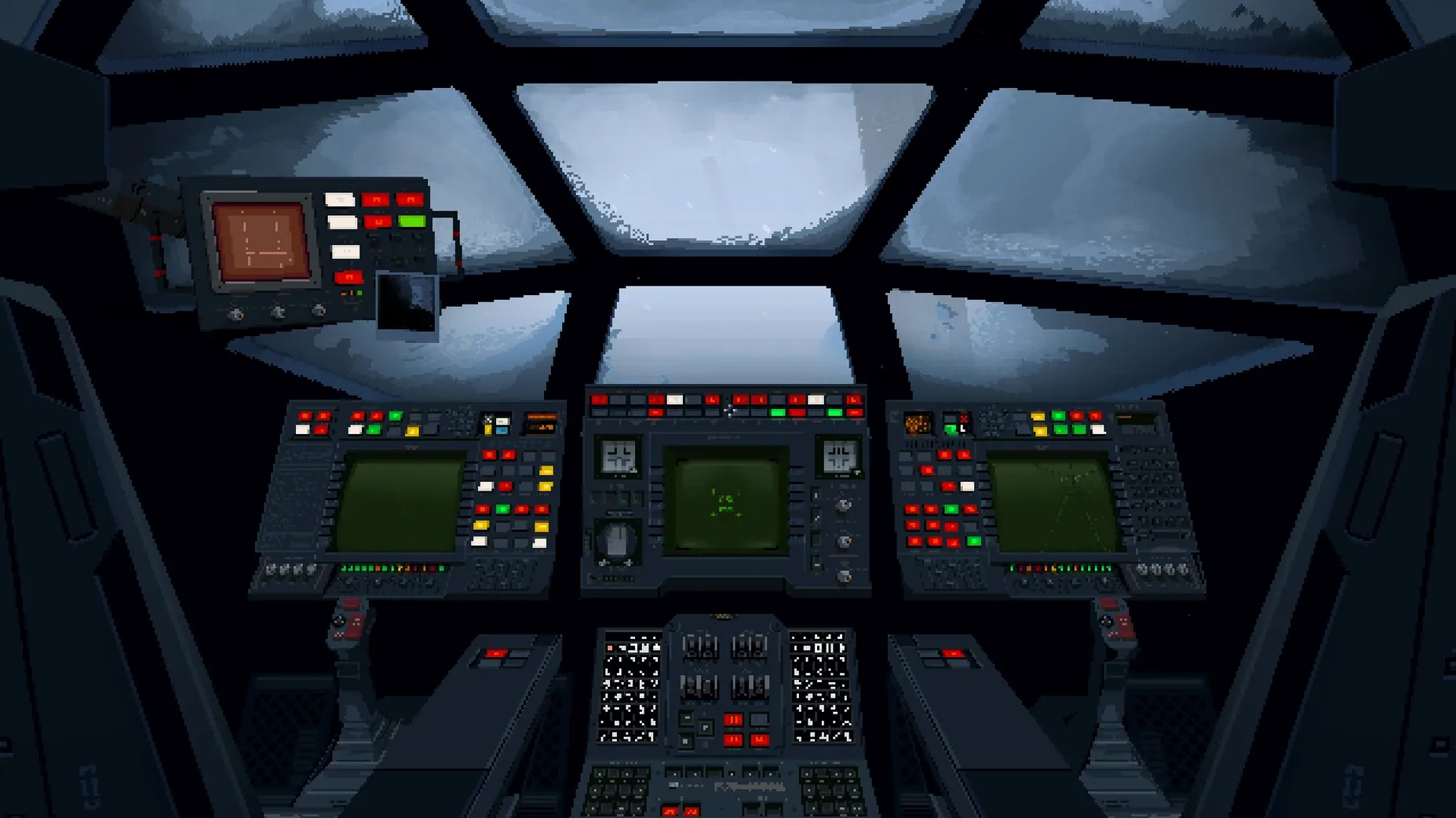
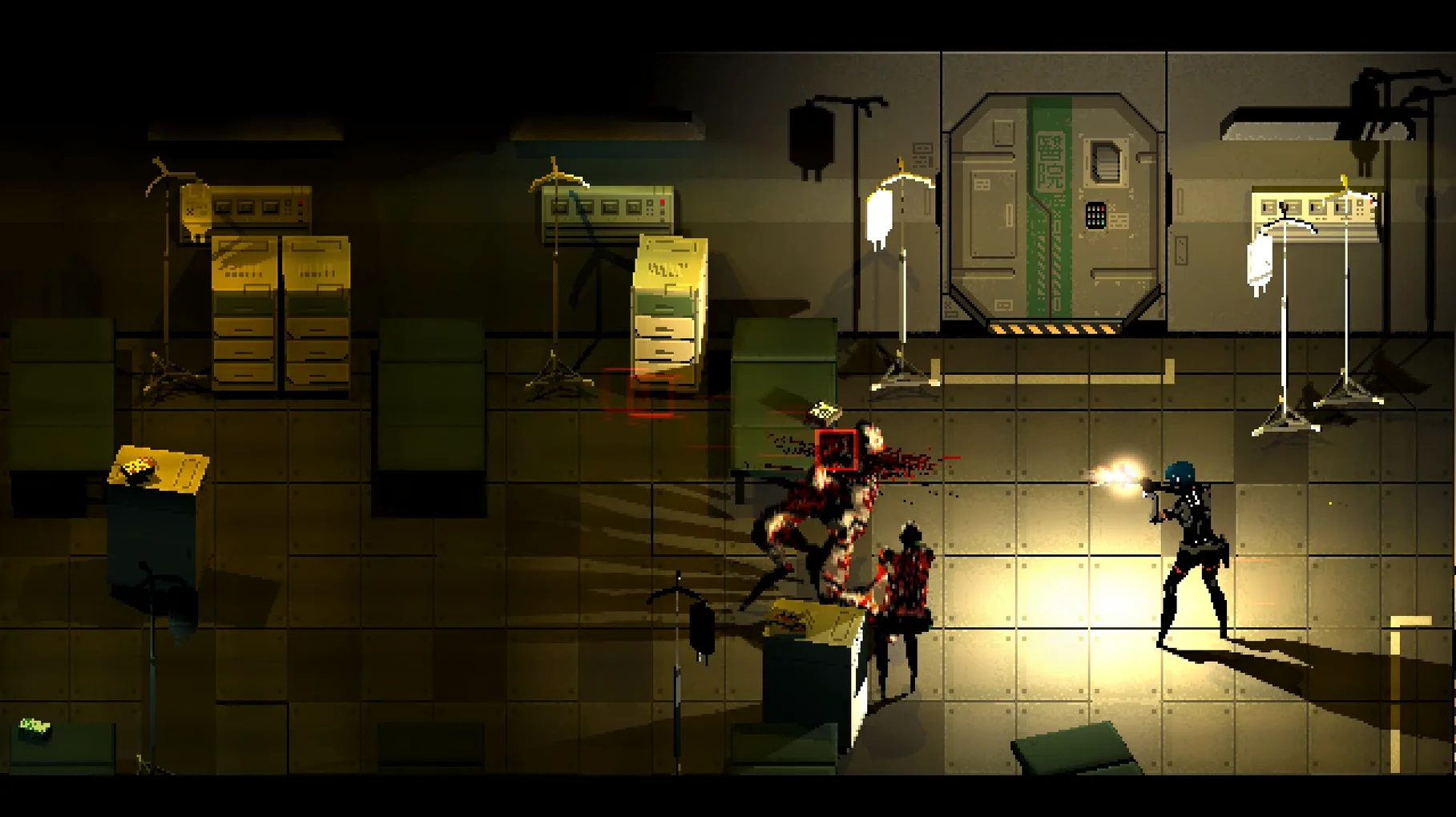
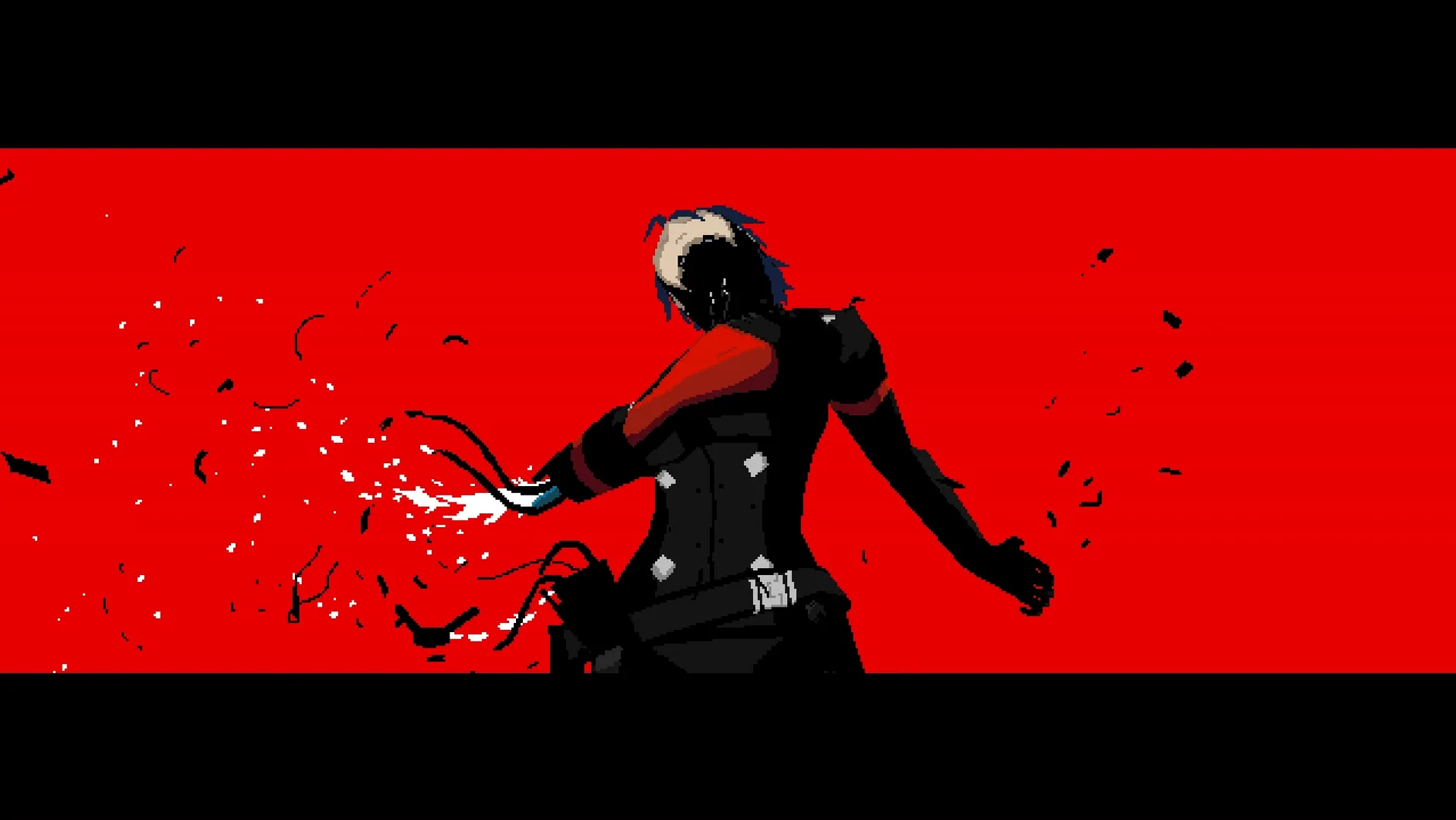
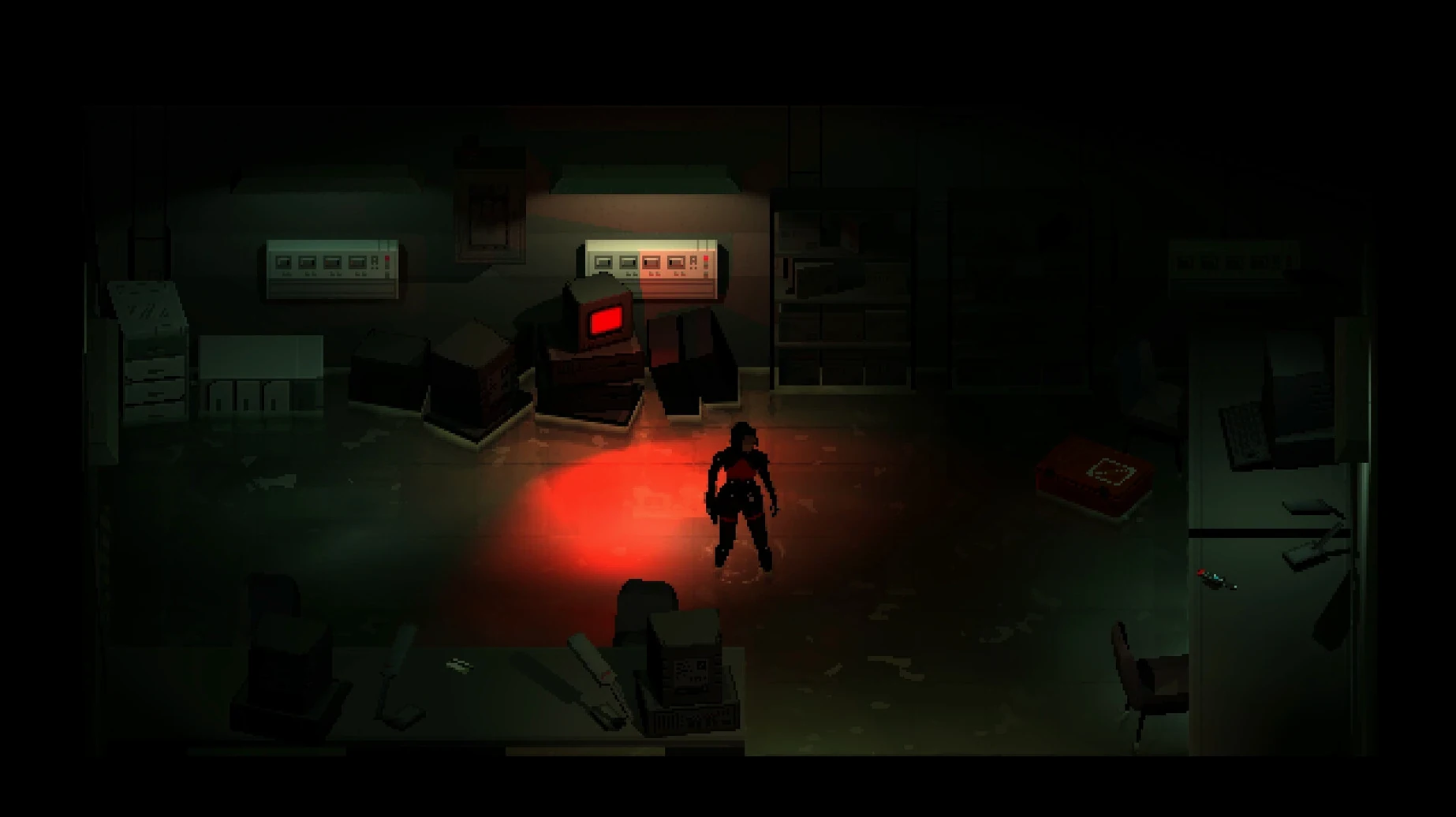
SIGNALIS runs on Apple Silicon Macs, tested on macOS Tahoe with an M4 Mac mini. The game draws no clear line between a dying world and a splintering mind. You play Elster, a technician Replika who wakes from cryosleep on a crashed ship. The solar system is colonized, but the future feels like a tomb — cold corridors, flickering light, and a sadness that settles in the walls.
Setting up the atmosphere
The sound design is listed as music accompaniment only, and that restraint shapes every room. Footsteps echo on metal grating. A distant machine hums and then stops. Silence becomes a threat you learn to read.
Managing scarce resources
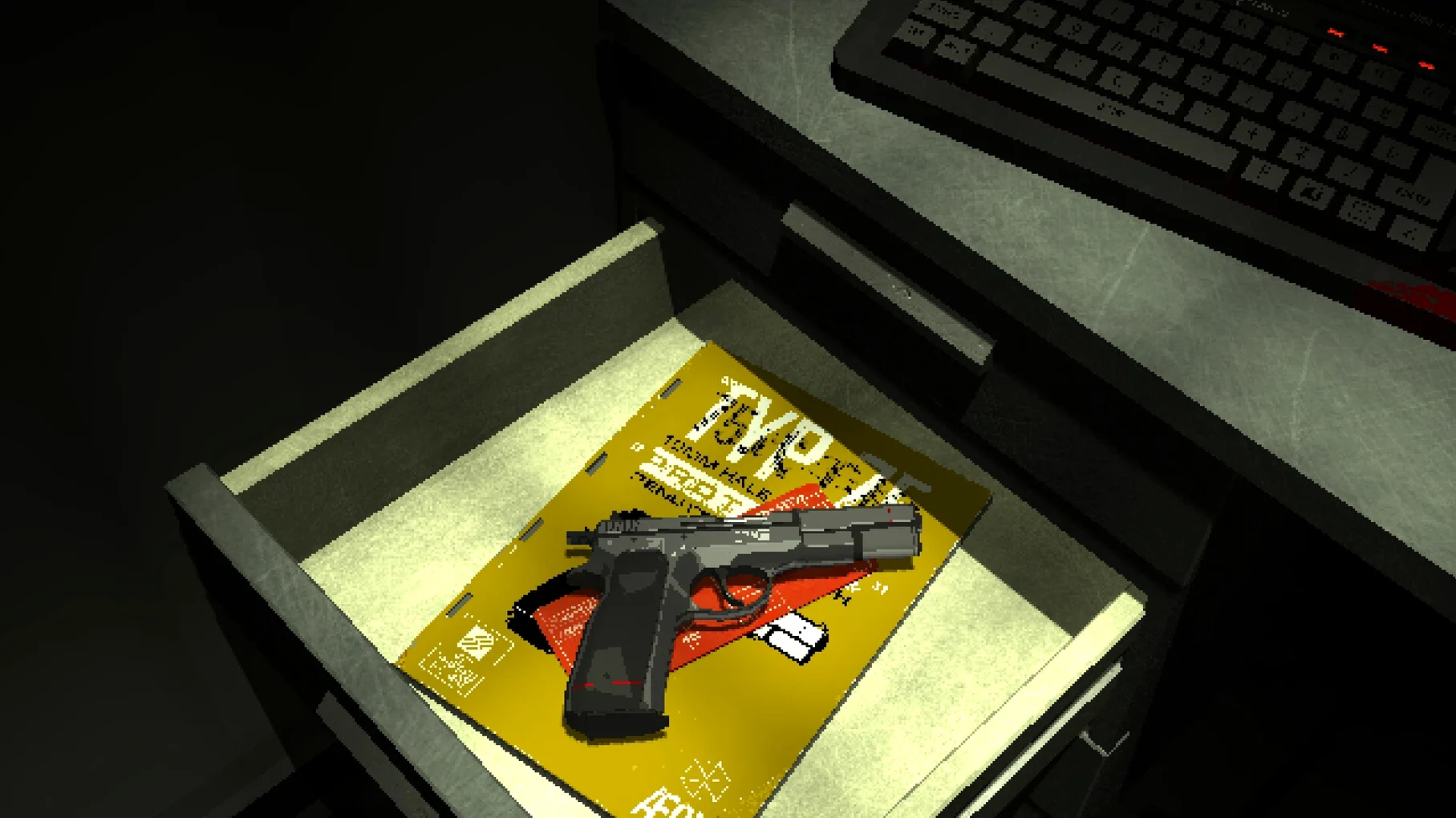
Inventory space is tight, and every bullet, fuse, and healing item asks you to make a choice you may regret two hallways later. Puzzles are woven into the environment, not placed on top of it — a locked door is never just a locked door.
How it performs on Mac
On Apple Silicon, the 3D animated characters and dynamic lighting hold steady. Shadows pool correctly in corners, and the fixed camera angles frame each scene with a deliberate, painterly stillness. Controls translate cleanly to keyboard and mouse, though the game feels most natural with a controller.
After the first boot, a few small adjustments make a difference. Open the settings and switch the text language early — the game ships with Russian, English, German, Spanish, Simplified Chinese, Korean, French, and Japanese, and changing it before you lose yourself in the story avoids a restart. Next, turn off the film grain if it fights the low-resolution monitor aesthetic too hard; the effect is beautifully oppressive on a Retina display but can feel smeared on an older external panel. Finally, map the inventory to a key you can reach without thinking. You will open that screen constantly, and fumbling for it during an encounter costs more than you expect.
A tip the game never states outright: the radio is a diagnostic tool, not just mood dressing. When static crackles, something nearby is broadcasting — sometimes a threat, sometimes a hidden frequency tied to a puzzle. Tuning into that noise early saves backtracking. Also, examine everything twice. SIGNALIS hides clues in item descriptions that change after key events, and a half-read note from the first hour can solve a lock three chapters later.
The 1.2.2 build ends save corruption on Apple Silicon
The 1.2.2 build wraps the original game in a Wineskin layer tuned for Apple Silicon, and the most visible shift is stability. Earlier Mac ports struggled with save corruption after certain cutscenes; this one does not. Loading times between rooms, once long enough to break tension, now pass in a breath. The transparent effects — water running down a visor, glass shattering into a hallway — render without the flickering artifacts that plagued older wrappers. One subtle improvement: the dynamic shadows no longer clip through character models when the fixed camera switches angles abruptly. It is a small fix that preserves the painterly stillness the game relies on to sell its world.
Six rounds, one flare, and a cassette in the dark
You sit down late, lights off, controller in hand. The save room hums — red eye of the monitor watching, a worn cassette playing something half-remembered. You check your inventory: six pistol rounds, one flare, a bent key, and an empty slot you are saving for a healing patch you have not found yet. The map marks a door you have not opened, three floors down.
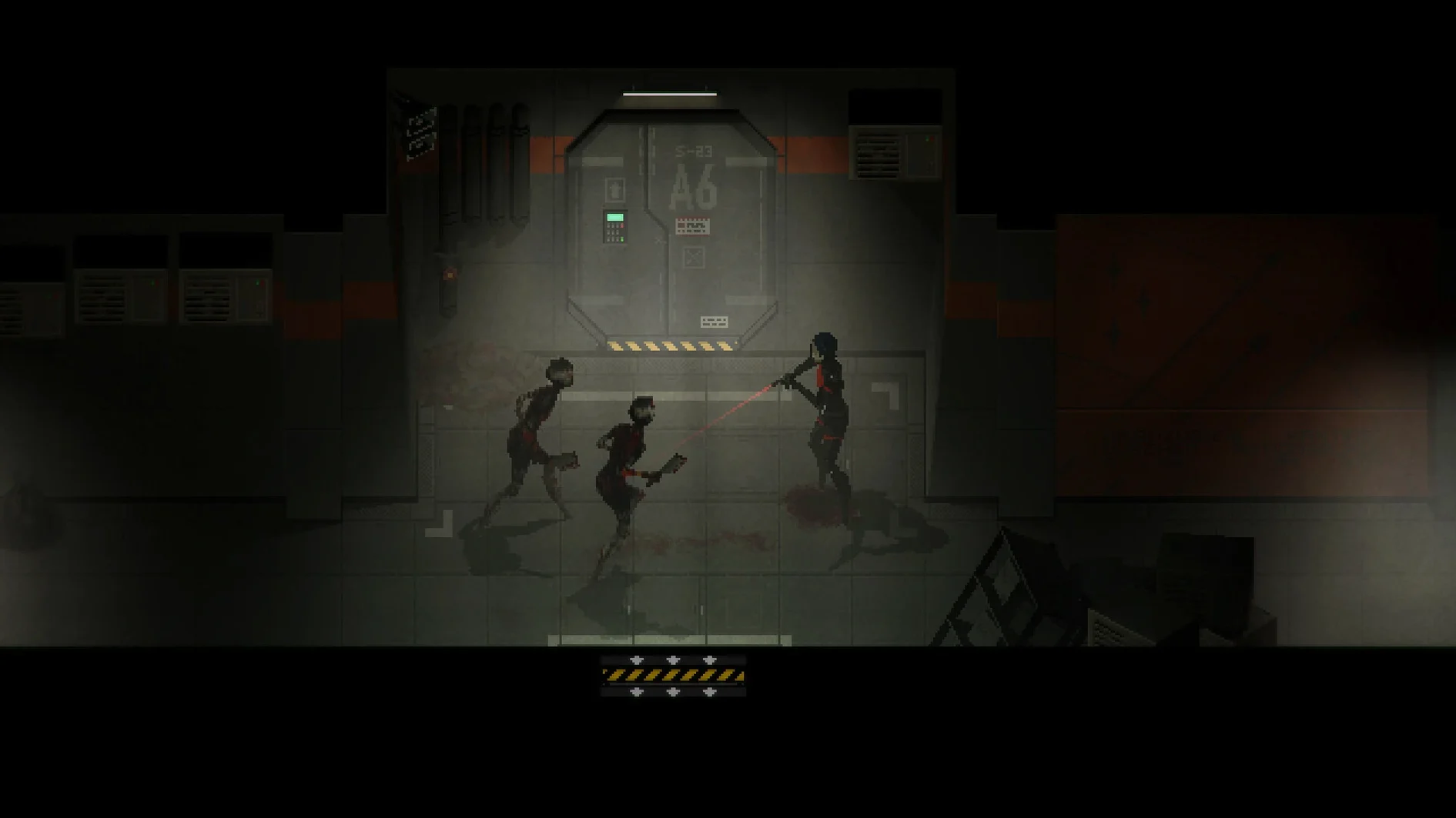
The hallway outside is dark. You raise the flashlight and move slowly, stopping at every junction to listen. A shuffling sound to the left — you wait, counting seconds, then cross to the stairwell. Halfway down, a Replika unit twitches in the corner, its movements wrong, too jerky. You could fight. You have the rounds. But the noise will pull others. You slip past instead, heart loud, and reach the door.
Inside: a breaker puzzle. The diagram is faded, but you remember a note from the medical wing — two symbols matching the sequence here. The radio crackles as you slot the fuses. Something is near. The lock releases with a clunk that echoes too long. You push through, find a torn photograph and a keycard, and the game auto-saves — that quiet chime a small mercy. You lean back. The clock says an hour passed. It felt like ten minutes.
- Apple Silicon Mac
- Tested on macOS Tahoe
- Tested on Mac mini 2024 M4
Questions from the booth
No, the game's sound support is listed as music accompaniment only — the story unfolds through text, environmental cues, and a deeply atmospheric score.