1. The diplomatic play
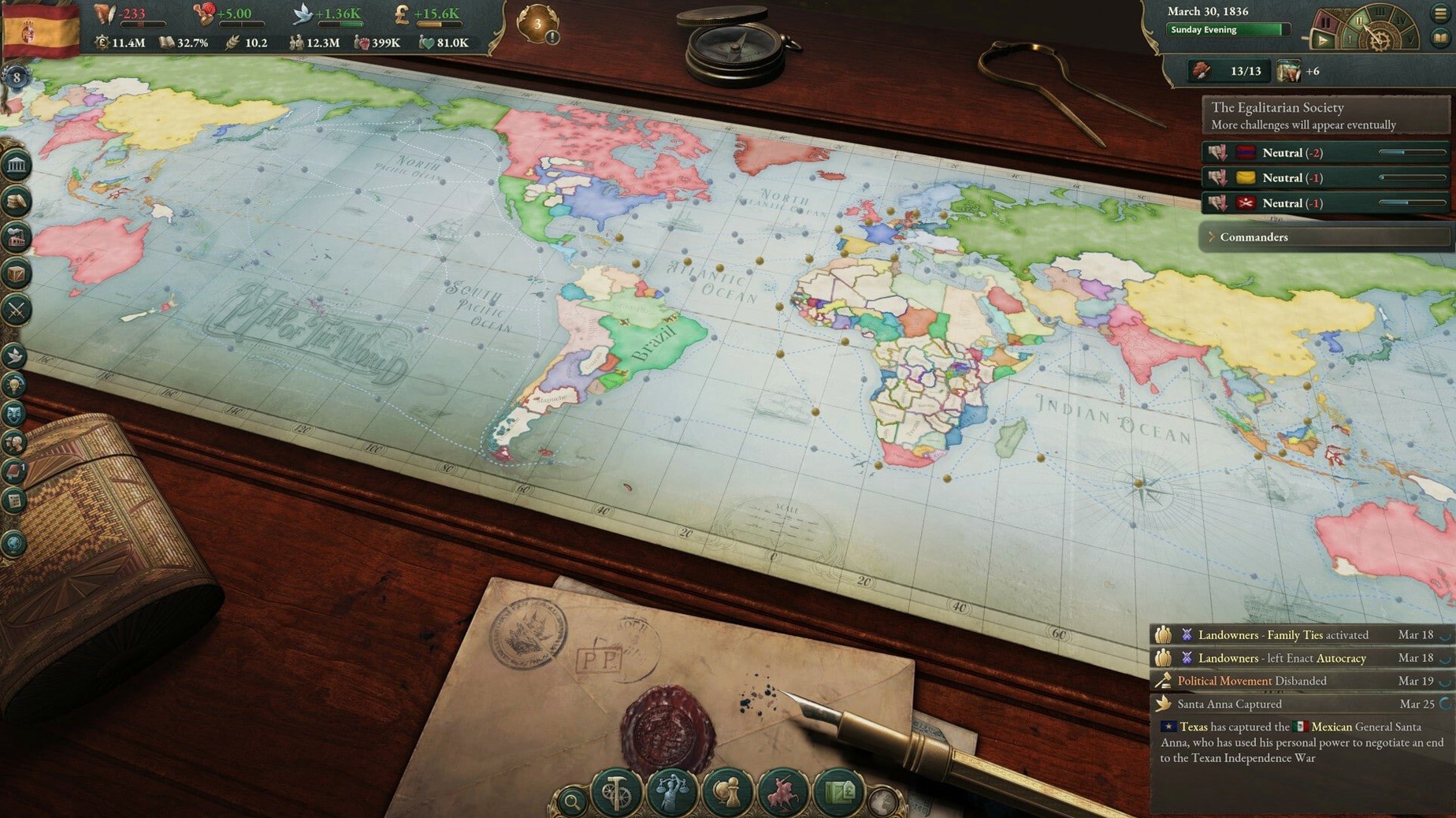
A sway offer left hanging at the end of the month used to crash the whole timeline. The latest hotfix catches that, so the play can pivot into alliance, intimidation, or outright deception without the floor giving way. That single thread pulls you into a century where negotiation is a raw material, as workable as iron or grain.
2. The population ledger
Every group on the map holds political views and carries economic problems you didn't assign them. Constitutional reforms, tax policy, and goods regulation all land here. A factory town with rising radicals doesn't just produce less—it starts rewriting the government you thought you'd settled.
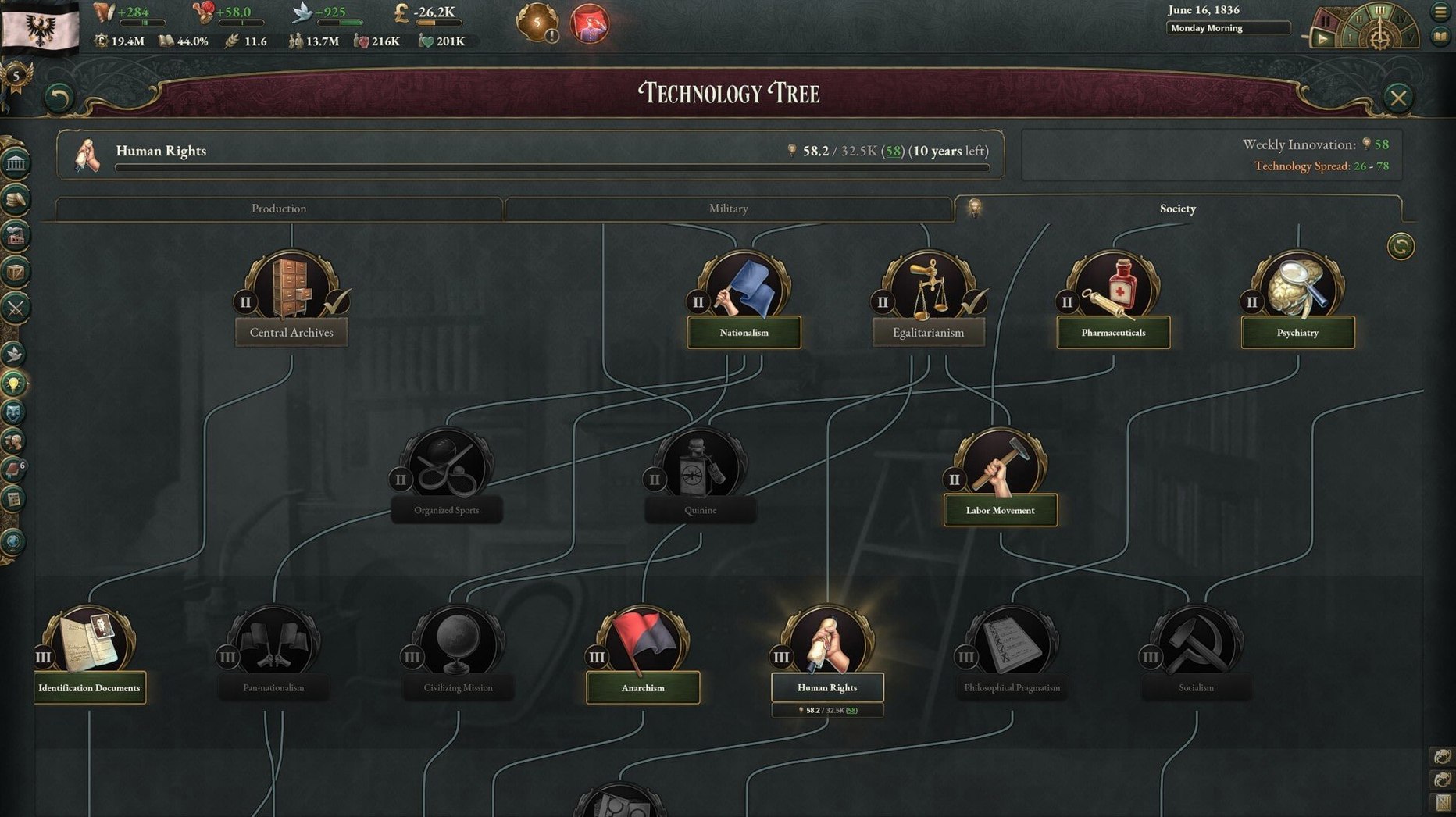
3. The technology tree
Research doesn't unlock victory conditions; it reshapes what your society can demand. A new idea might make your industry competitive or give a restless population the language to petition for something you can't yet imagine granting.
Working a trade route from start to finish
Say you're playing as Sweden and your furniture manufactories are starving for hardwood. The domestic supply is thin and what exists is getting expensive. Open the market screen, switch to the goods tab, and locate hardwood in the deficit column—the red number tells you how much your industries are short each week. The first instinct is to establish an import route from Russia, but that's only half the decision. You need to check whether Russia actually produces a surplus, what their own price looks like, and whether your convoy capacity can handle the volume without strangling other routes.
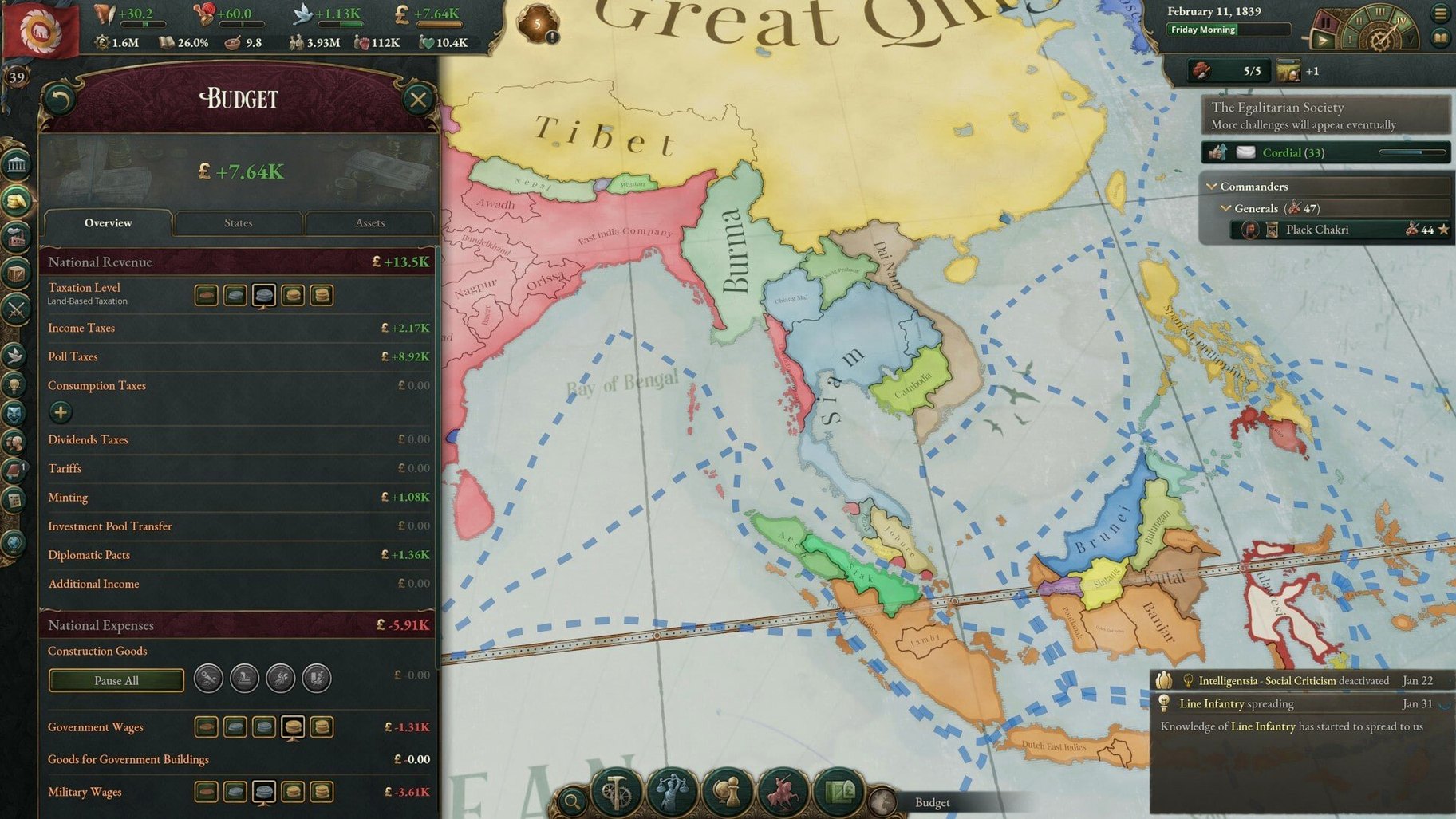
Set the route, assign enough convoys, and watch the first shipments land. The price in your market should start easing downward within a few weeks, but the real test comes three months later when your furniture output climbs and the factories begin hiring again. That's the moment you can raise tariffs on luxury furniture exports to pull more money back into the treasury—or lower taxes on the middle strata to keep their standard of living from slipping while the economy adjusts. A single trade route touches wages, consumption, and the political weight of the industrialists, and none of it happens in a vacuum.
An Argentine play for immigration
A friend who plays Victoria almost exclusively as South American nations told me about a run as Argentina where he spent the first twenty years doing almost nothing you'd call aggressive. No territorial expansion, no gunboat diplomacy. Instead he passed public health reforms early, kept grain prices low through subsidized agriculture, and aimed every diplomatic action at staying on good terms with the European great powers. The goal wasn't prestige—it was migration.
By the 1880s his population had swelled from incoming Spanish and Italian pops drawn by high standard of living and available jobs. The political knock-on effect was that the rural landowner interest, which had been dominant, slowly lost ground to an urbanizing intelligentsia and a nascent trade union movement. What began as an economic strategy reshaped his government's laws almost without a fight. He told me the real victory wasn't the GDP growth—it was watching the political map of his own country change colour because people arrived with different ideas.
Your bureaucracy deficit can quietly rot a nation for a decade
One of the quietest frustrations is a bureaucracy deficit that goes unnoticed for a decade. When your institution levels outpace your administrative capacity, everything from tax collection to education access degrades. The fix isn't always building more government administration buildings—sometimes it's consolidating institutions you don't need at their current level, or adjusting wages to attract qualified pops into the bureaucracy in the first place. Open the institution screen, check the capacity bar at the top, and decide whether you're overspending on institutions that aren't pulling their weight yet.
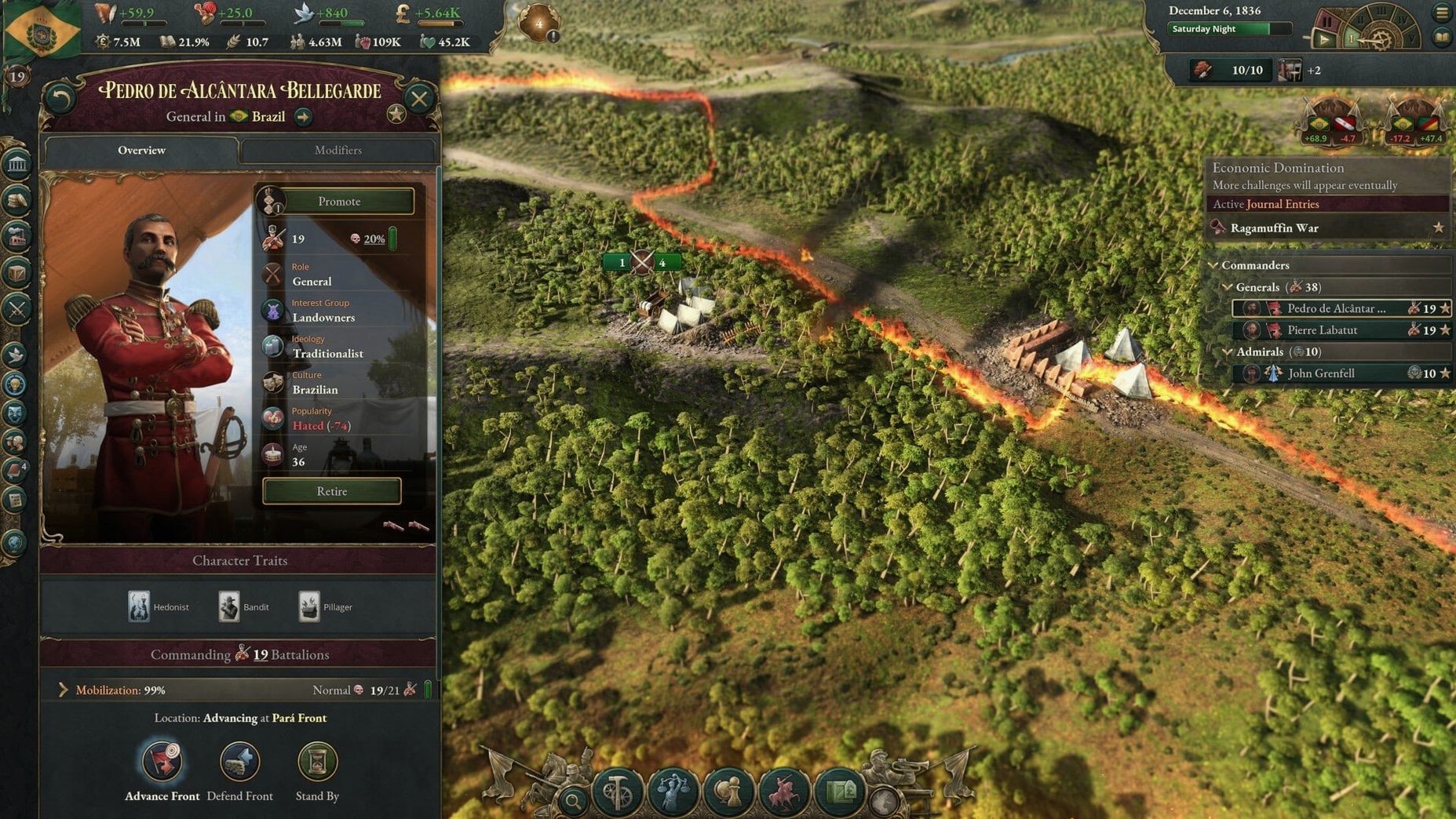
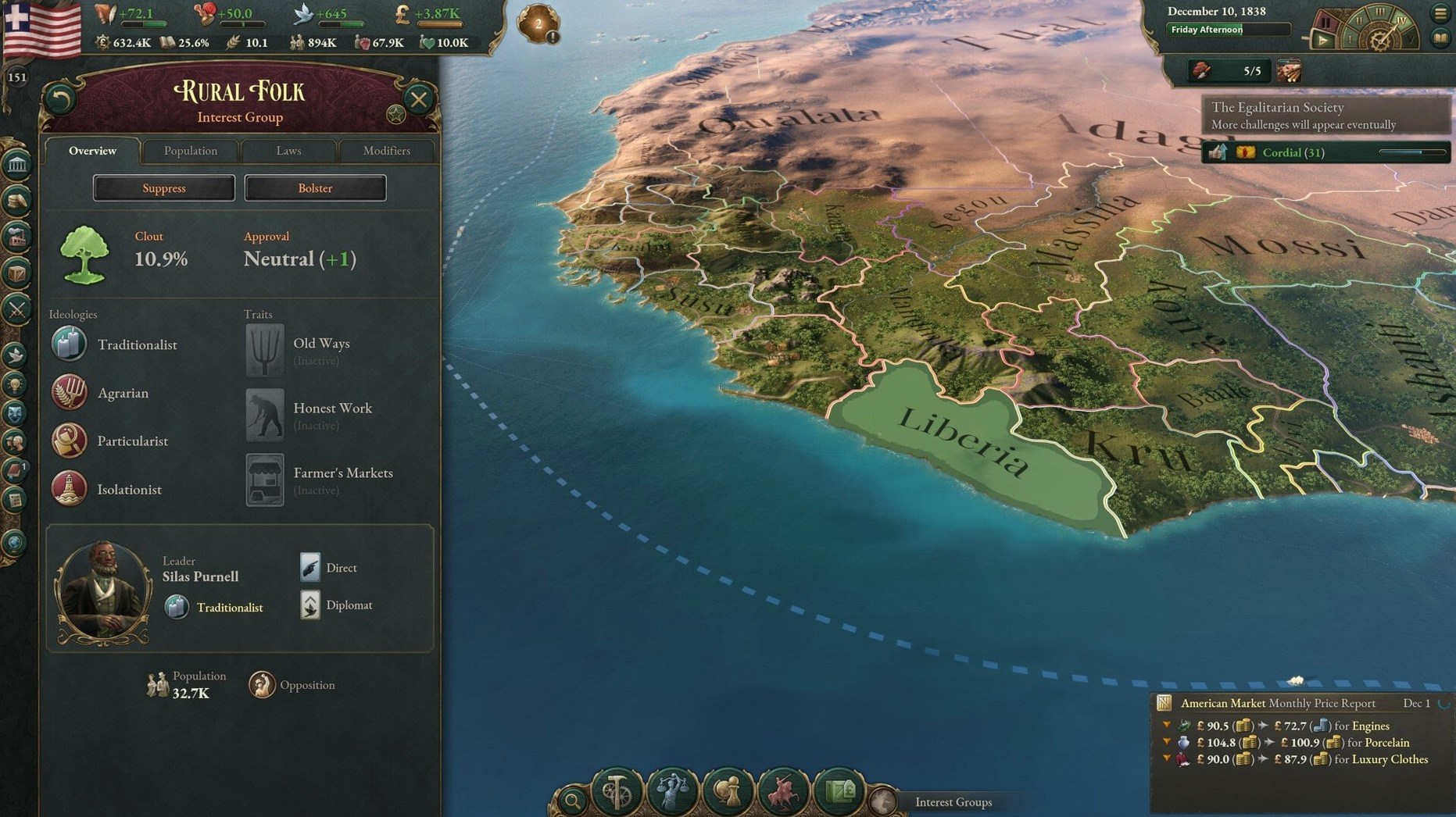
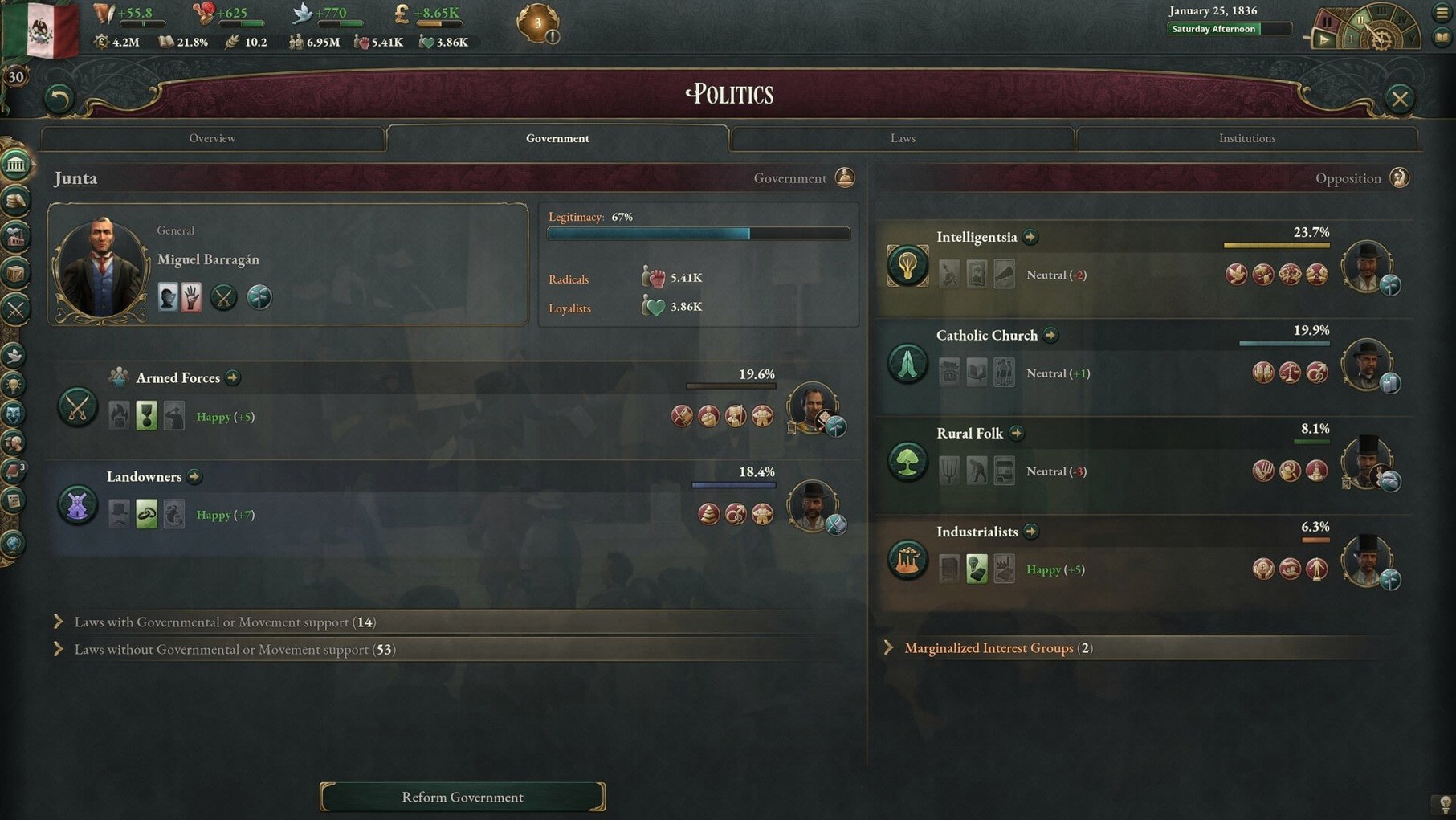
Another recurring headache is a radicalizing interest group that refuses to be placated by the reforms you're willing to pass. If the armed forces are at -18 approval and you can't afford the military wage increases they want, look at the leaders attached to that group. An influential general with a particular ideology might be making the whole faction more intransigent than their material interests suggest. Sometimes promoting a different commander or waiting for an election to cycle the leadership changes the math more than any law.
Queueing five tooling workshops will crash your early economy
The most expensive early-game error is treating construction as a simple "build more" lever. New players see a shortage of tools and queue up five tooling workshops, then wonder why their economy tanks harder. Construction sectors consume goods while they build—iron, wood, fabric—and if you expand the construction sector itself without securing the input supply chain first, you're bidding up prices on everything and making every project slower and costlier. Start by improving raw resource extraction, let the prices stabilize, then add the factory capacity.
Another classic misstep is ignoring qualifications entirely. You can build a university, pass compulsory education, and still find your factories can't hire engineers because the pops in that state lack the literacy and wealth to qualify. Click on a state and hover over the population breakdown; the game will tell you which professions are bottlenecked and why. Without that check, you'll burn construction points on buildings that sit half-empty while the economy stalls for reasons the ledger won't volunteer.
The box holds a world economy built from trade routes, import tariffs, and production chains—alongside a century of music and no spoken words at all.
The 1.13.11 hotfix catches a turn-of-the-month crash when sway offers are pending in a diplomatic play, adjusts Banana Plantation output values, and tweaks the outcome options for the A Doctrine of Iron and Steel event.
- Tested on macOS Tahoe
- Apple Silicon or Intel Mac
Questions from the booth
It is a grand strategy game by Paradox Development Studio that simulates politics, economics, diplomacy, and society from 1836 to 1936.
Version 1.13.11 is a hotfix that resolved a crash during diplomatic plays at the turn of the month and adjusted the A Doctrine of Iron and Steel event outcomes.