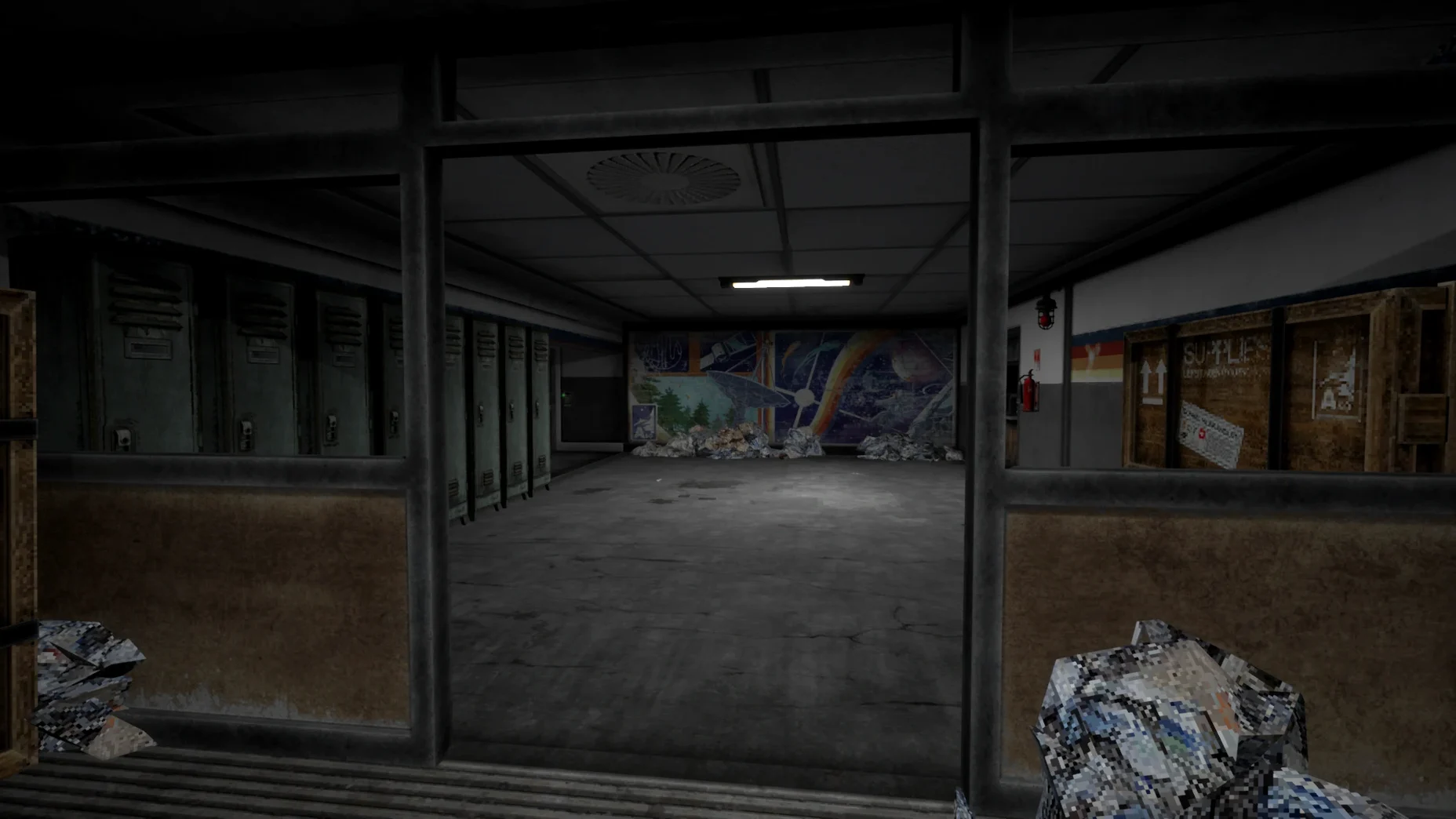
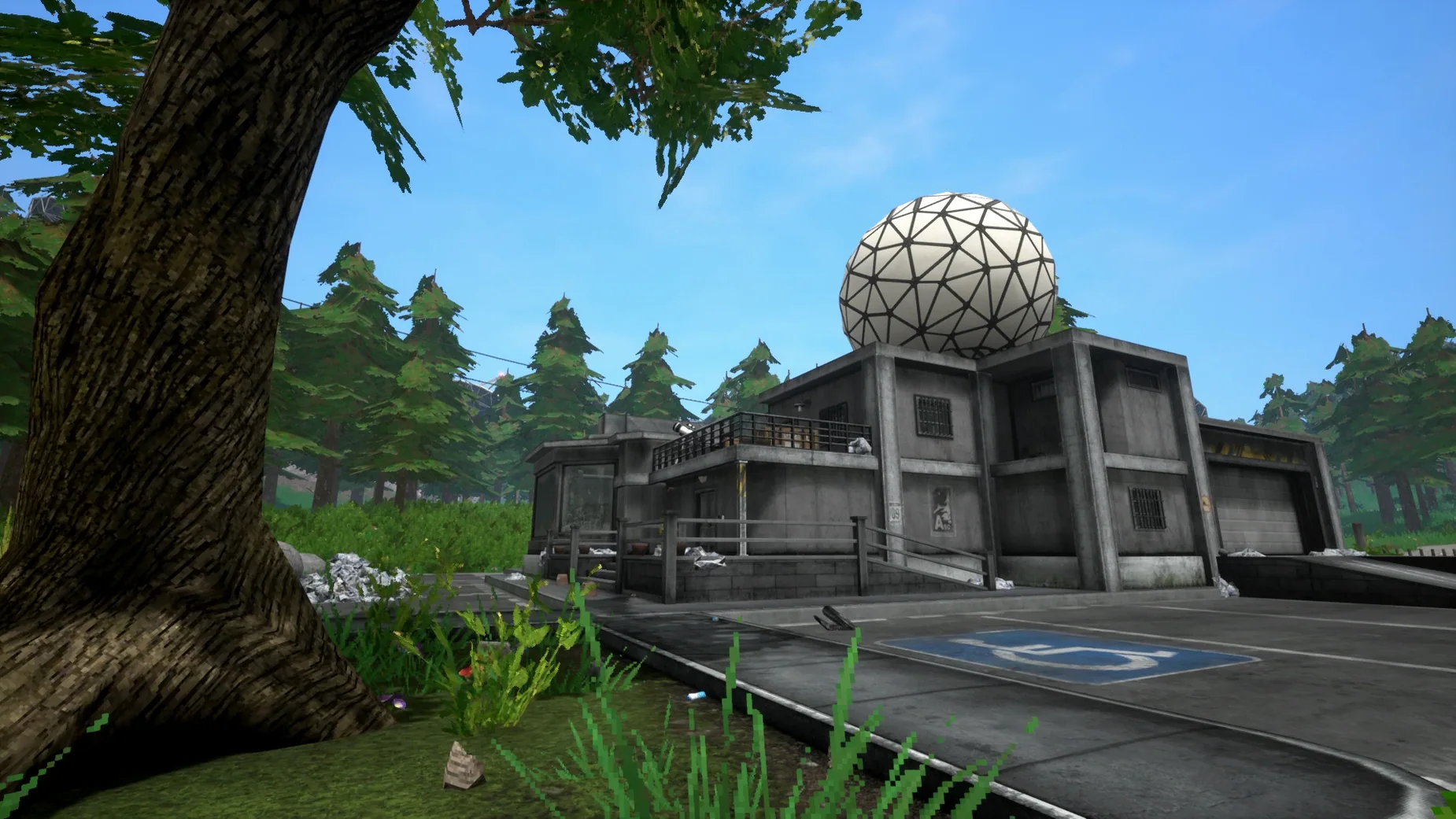
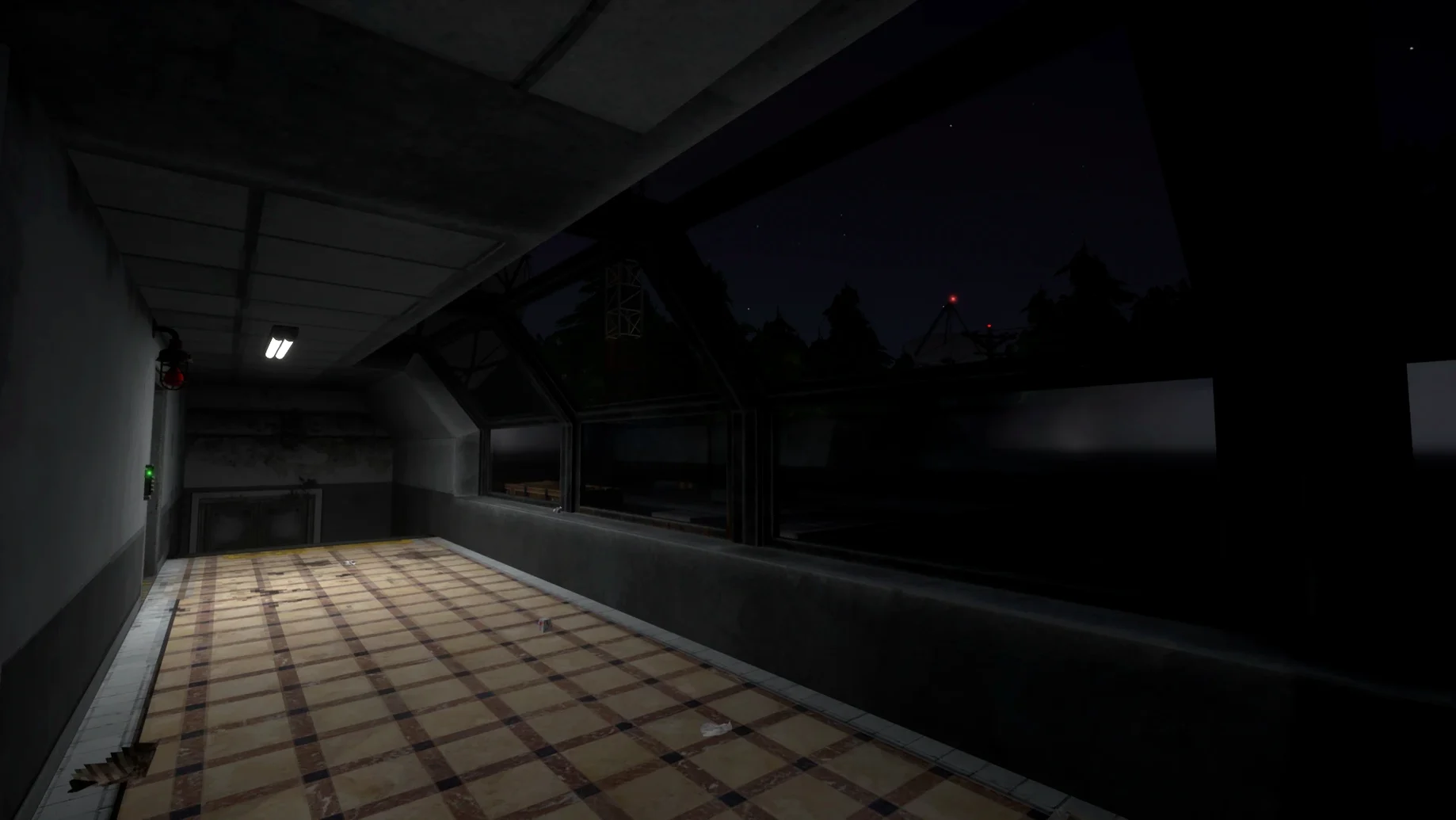
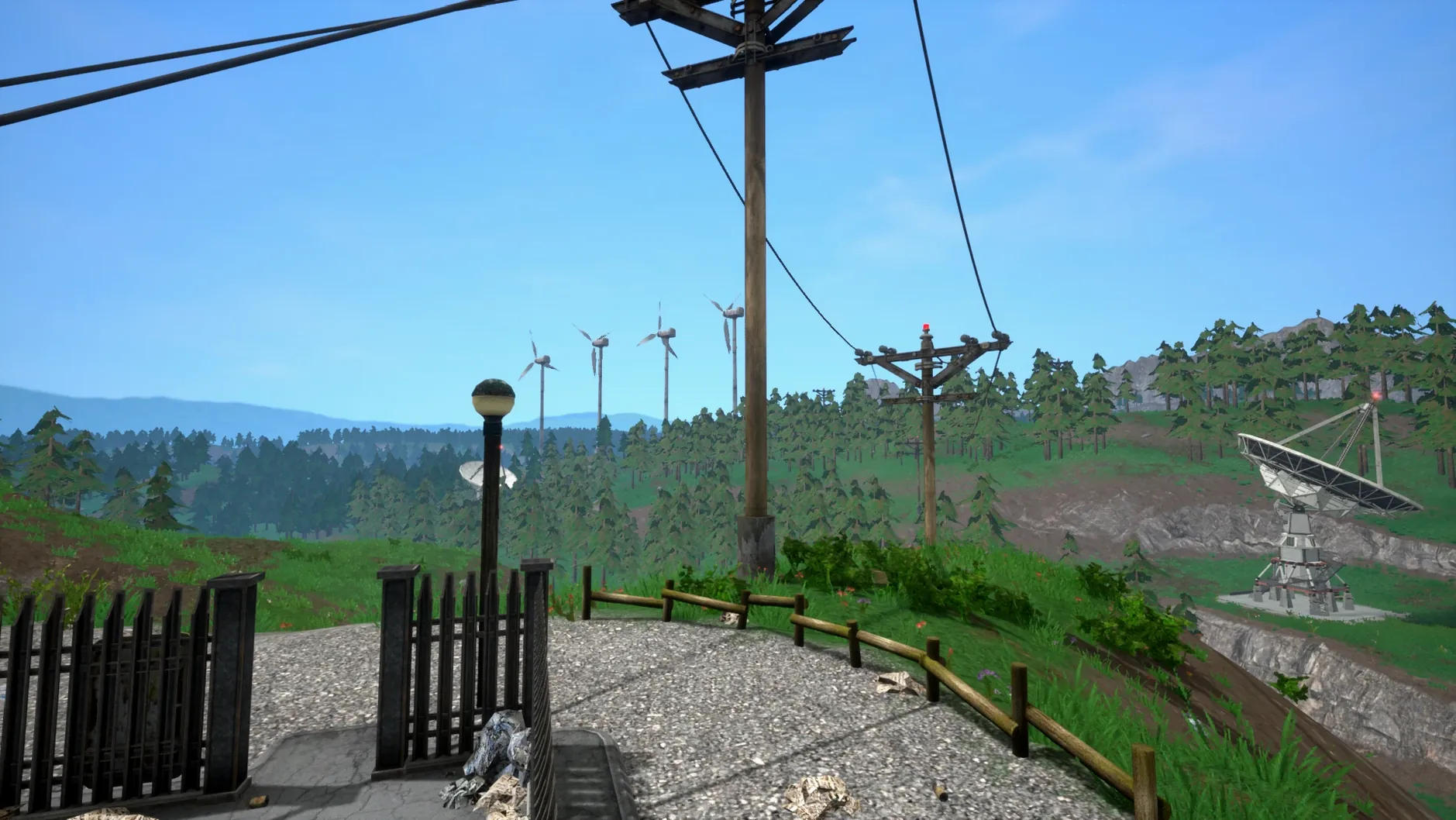
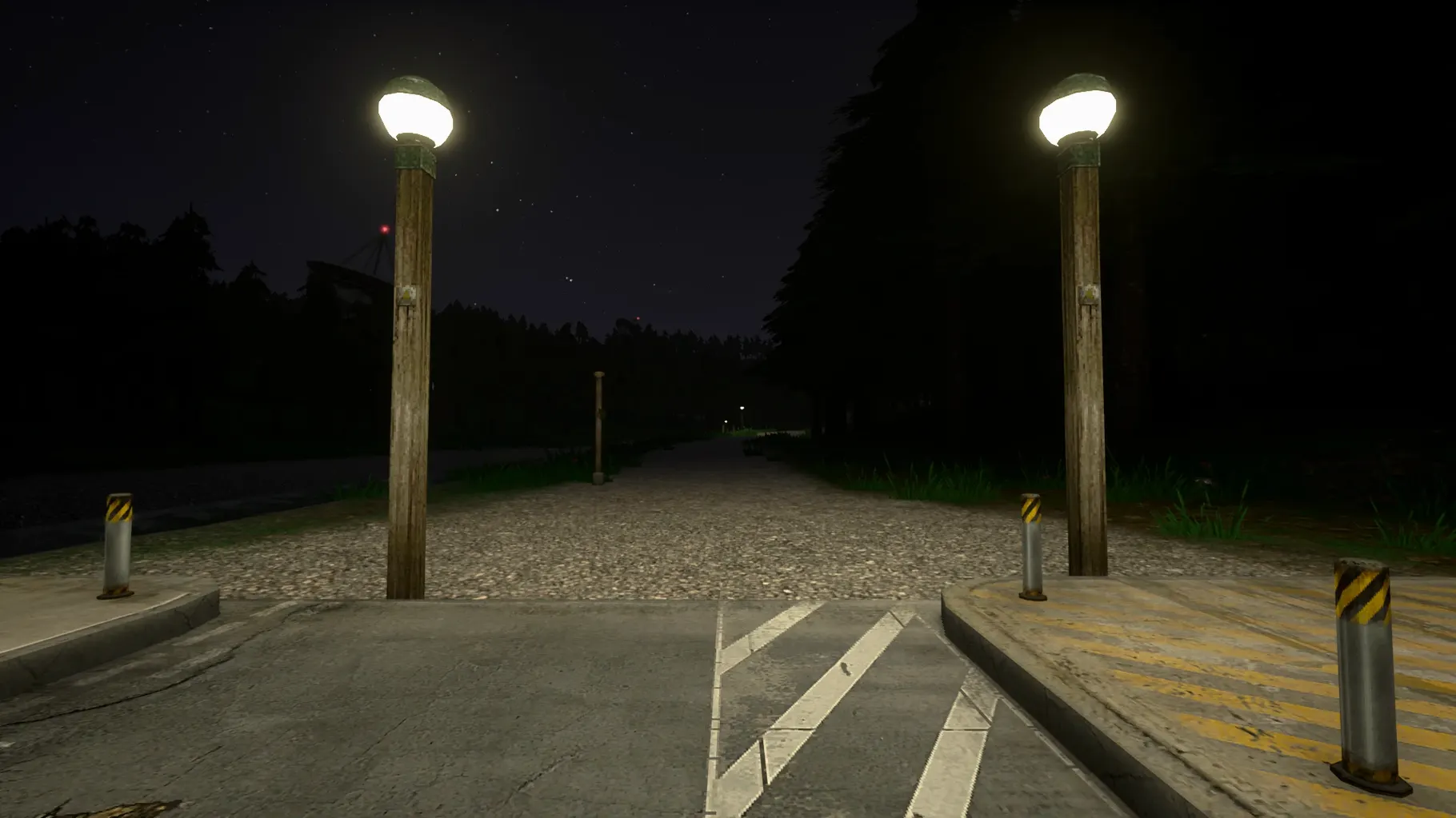
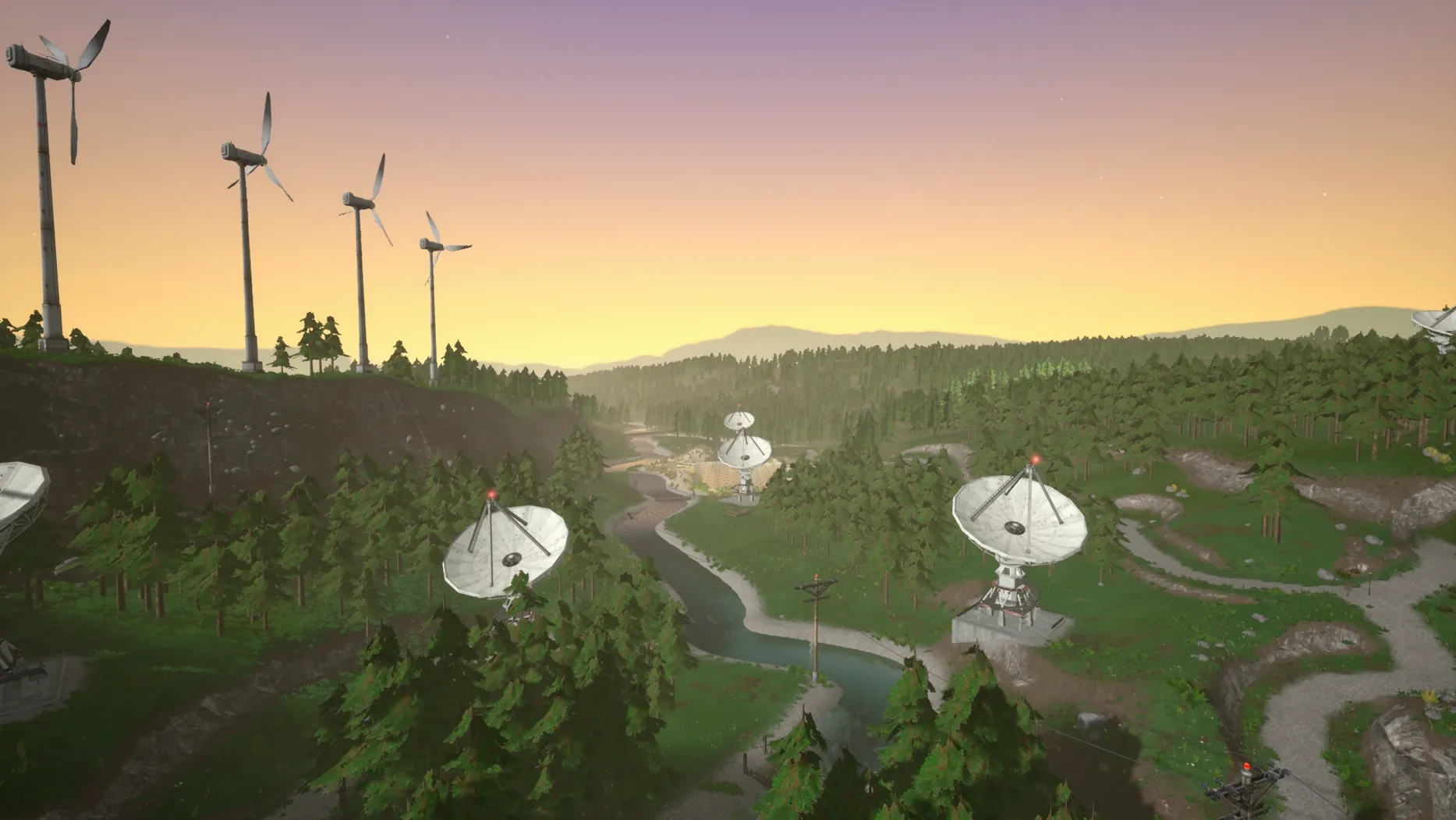
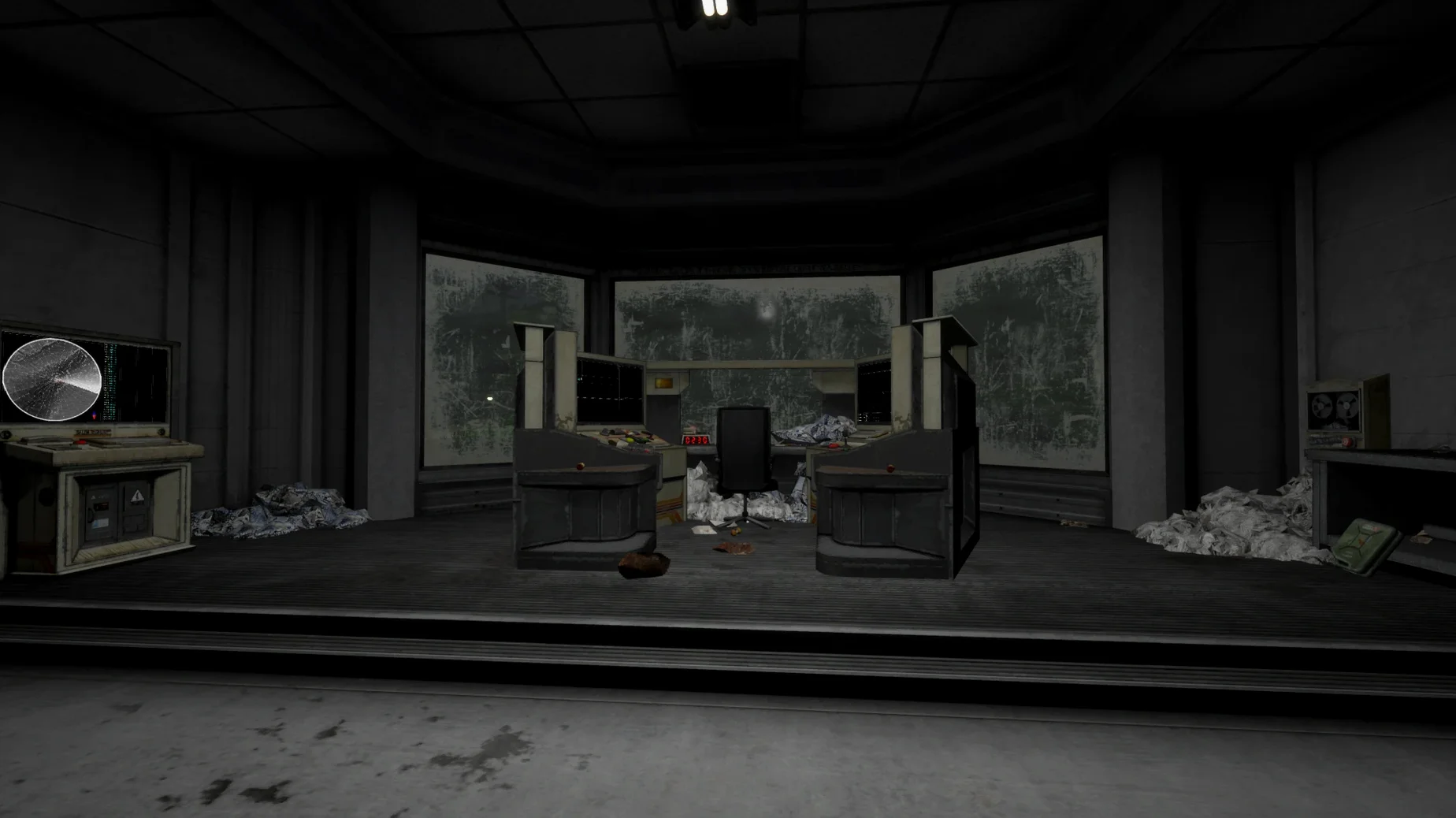
Most horror games hand you a flashlight and a locked door. Voices of the Void hands you a job. You are alone at a remote listening station, and the work — tuning antennas, scanning frequencies, cleaning noise from recordings — is the only structure between you and whatever is out there.
A typical shift starts small. Servicing equipment, checking the station's condition, walking the perimeter while the receivers hum. Then a signal comes in. You adjust the frequency, filter the static, extract what data you can. Some signals are harmless, even mundane. Others feel less like transmissions and more like something noticing that you noticed.
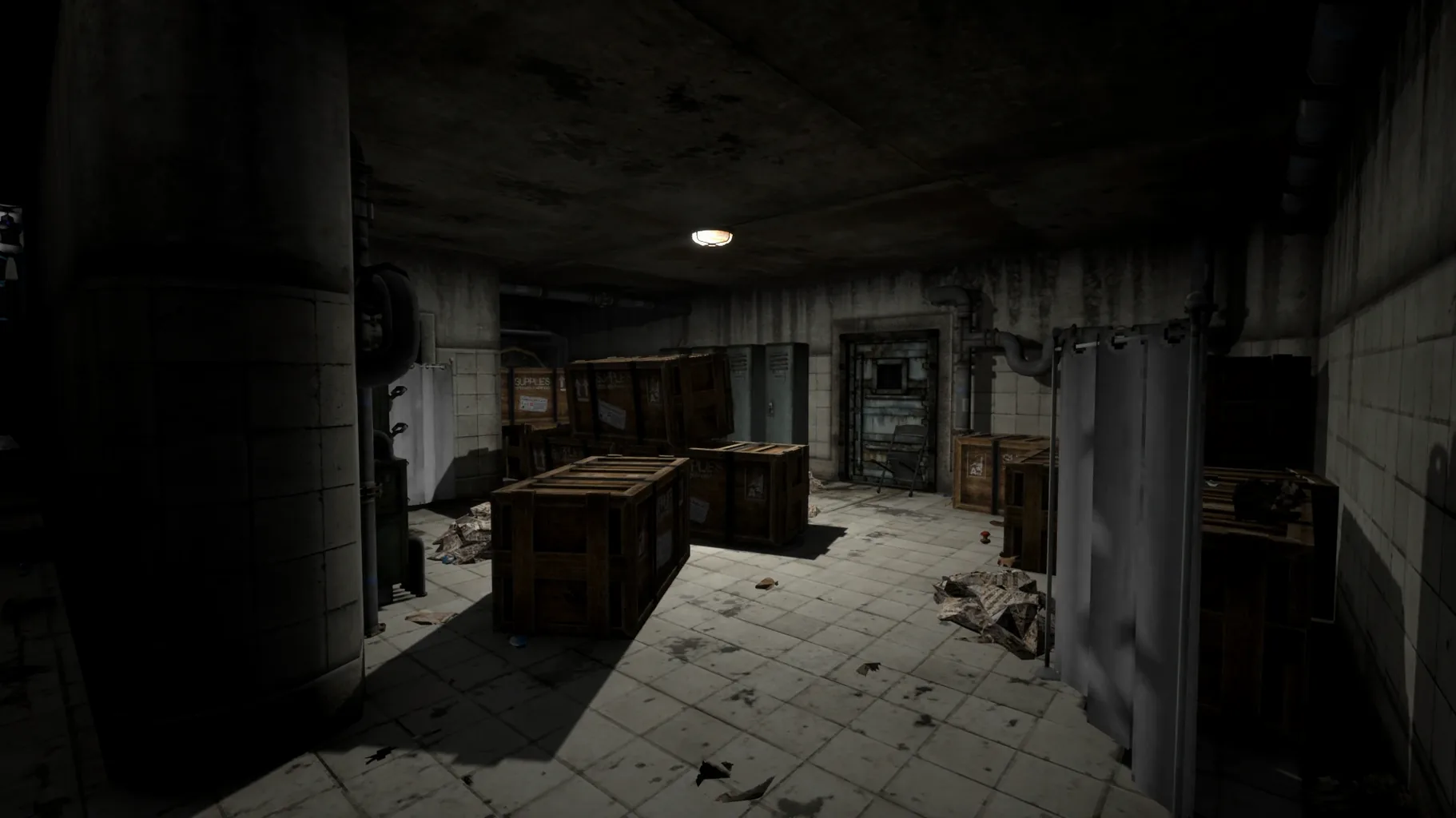
The simulation elements give the fear somewhere to live. Equipment degrades. Power draws attention. You track the station the way a caretaker tracks a house that might not be empty. Sessions develop differently, so a door that stayed shut last time may not stay shut again.
Where things usually go wrong
The Wineskin wrapper does the heavy lifting, but a few rough edges are part of the deal with an early-access build. The most common snag is launching the app and getting nothing — a bounce in the Dock, then silence. This almost always means the Wineskin engine inside the bundle needs a nudge. The disk image includes a Fix file for exactly that reason; running it once before the first launch, even if the app seems fine, saves a headache later. If you have already dragged the app to Applications without running the fix, pull it back out, run the fix from the disk image, and replace the app.
Another repeat visitor: the game window appearing as a tiny rectangle in the corner of the screen. Grab a corner and stretch it — Wineskin sometimes misreads the display scaling on Apple Silicon Macs. If the cursor locks inside the window and refuses to leave, the F10 console toggle is your emergency exit. A quick tap opens the developer console, which unfastens the mouse.
Save games occasionally vanish after a macOS update that shifts sandbox permissions. They live deep inside the app bundle under SharedSupport/prefix/drive_c/users/Sikarugir/AppData/Local/VotV/Saved/SaveGames. Knowing that path means you can back up the folder before a system update, or check whether the files are still there if the game suddenly acts like you never played.
The first few shifts
Your first instinct will be to chase every signal the moment it appears. Resist it. The station needs a walkthrough before it trusts you — check the breaker panels, note which lights flicker, learn the sound of the generator under normal load. A clean baseline makes anomalies stand out faster than any scanner.
Spend an early shift just tuning. The frequency dial rewards small movements more than sweeps. Pick one antenna, narrow the band, and listen to the static for a full minute. The game buries faint signals inside noise patterns that repeat; your ear catches the repetition before the equipment does, and that gives you a head start when the real signals arrive days later.
Language is easy to overlook. The build ships with eleven languages — Russian, English, German, Danish, Traditional Chinese, Polish, Portuguese, Turkish, French, Czech, and Swedish — and switching in the settings takes effect immediately. If the default feels like a barrier during tense moments, changing it early keeps the atmosphere intact instead of breaking it with menu fumbling.
And eat. The simulation tracks fatigue, and a skipped meal during a long signal-analysis session has consequences the game does not advertise. The station stores supplies for a reason.
Sci-fi patience over jump scares
Mac users who grew up on slow-burn science fiction — the kind where the isolation is the point, not the preamble — tend to sink deepest into Voices of the Void. The game asks for patience that a jump-scare audience rarely has, and it rewards the kind of attention that people who tweak audio waveforms or colour-grade footage already bring to their screens. Filmmakers and sound designers I know have described a shift here as uncomfortably close to actual overnight monitoring sessions.
Simulation fans get a different hook. The station is not set dressing; it degrades, draws power unevenly, and reacts to neglect. If you enjoy games where managing a system is the core loop and the horror is the weather around it, this fits. The procedural events mean two people can play the same week and describe entirely different nights.
It also suits anyone working on an Apple Silicon Mac who has been waiting for a horror title that does not feel translated through Rosetta. The ARM-native wrapper keeps thermals low, so a MacBook Air stays quiet through long sessions — and in a game where silence matters, a spinning fan kills the tension faster than any plot misstep.
Wrapped bundle plays nice with screen capture
Because the game is wrapped rather than ported, it behaves like a self-contained app that macOS treats as a native bundle. That means it coexists cleanly with QuickTime screen recording, Audio Hijack, or Loopback if you want to capture signal audio for sampling later. Indie sound designers have pulled raw transmissions out of sessions and dropped them into DAW projects — the static textures and frequency artifacts are unique enough to build tension beds around.
Mission Control and Spaces handle the fullscreen mode gracefully on Apple Silicon. Swiping between a signal-analysis shift and a notes app or a reference sheet does not cause the wrapper to stutter, which is not always true of Wineskin-packaged games. If you keep a log of signal patterns — and you will, after the third time something repeats — a second desktop with a plain text editor open is the quietest companion.
The save folder being inside the bundle also means Time Machine catches it, provided you are backing up the Applications directory. A quick exclusion check in System Settings saves regret. And for anyone running the game alongside Steam or itch.io launchers for other titles, the wrapper stays out of their way — no launcher conflicts, no overlay hooks fighting for the same input.
It is precise, procedural horror — less about the jump, more about the slow realization that the noise was never just noise.
- macOS 11.0 or later
- Apple Silicon Mac
Questions from the booth
Yes, the Mac version uses ARM architecture and has been tested on macOS Tahoe with a Mac mini 2024 M4.
The game includes Russian, English, German, Danish, Traditional Chinese, Polish, Portuguese, Turkish, French, Czech, and Swedish, changeable in the settings.
You operate a remote station by servicing equipment, tuning antennas, scanning frequencies, cleaning noise, and decoding mysterious signals from space.