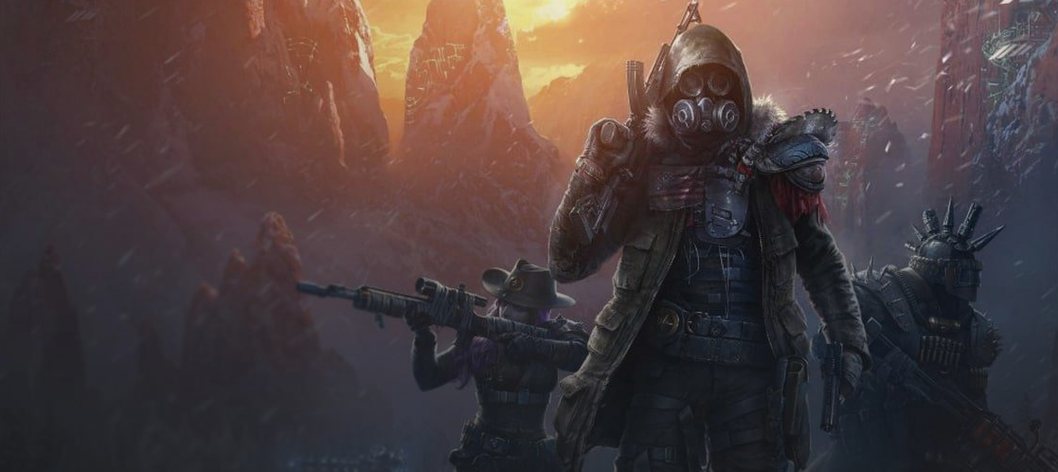
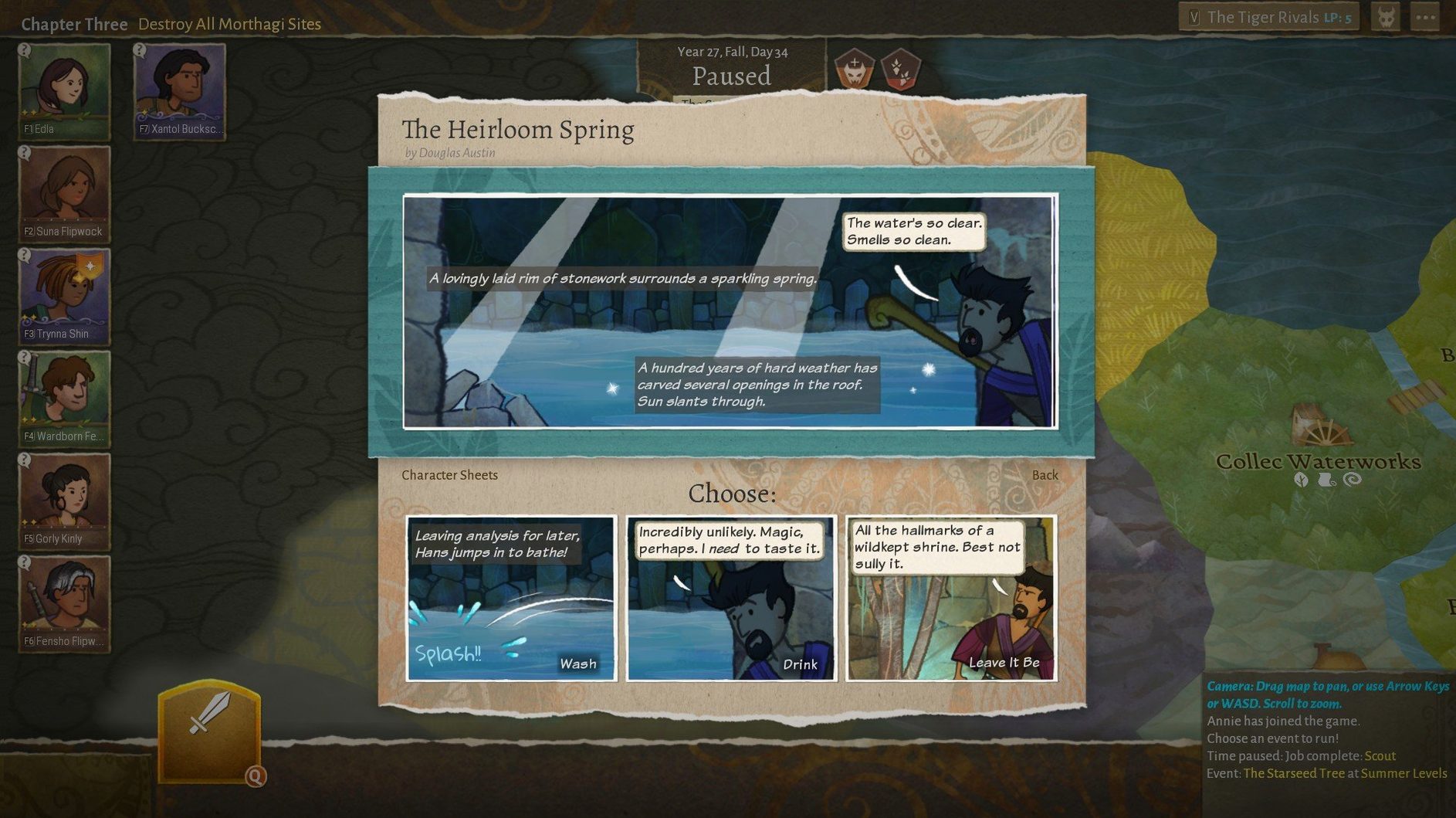
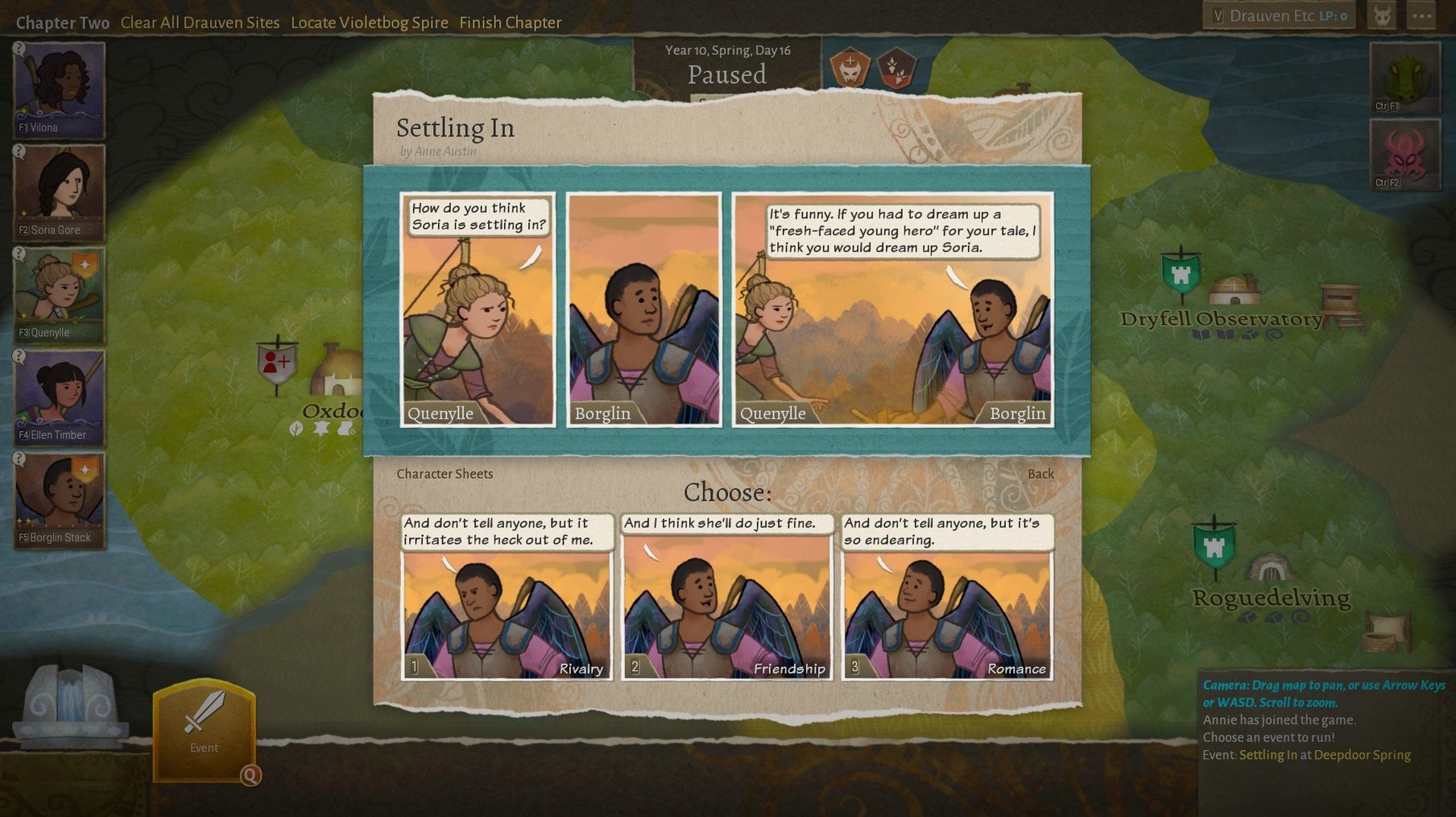
If you’ve spent hours in a tool like Scrivener mapping character arcs and branching timelines, Wildermyth feels like the game that took those corkboard cards and set them in motion. It’s a tactical role-playing game where the story doesn’t wait for you to script it—it grows from the choices your characters make, the relationships they forge, and the scars they carry home. A Hunter loses an eye to a Gorgon and gains a new way of seeing threats; a childhood rivalry between two Warriors cools into grudging respect over a decade of shared battles. Time passes. Heroes age. Some retire, some fall, and their children take up the fight.
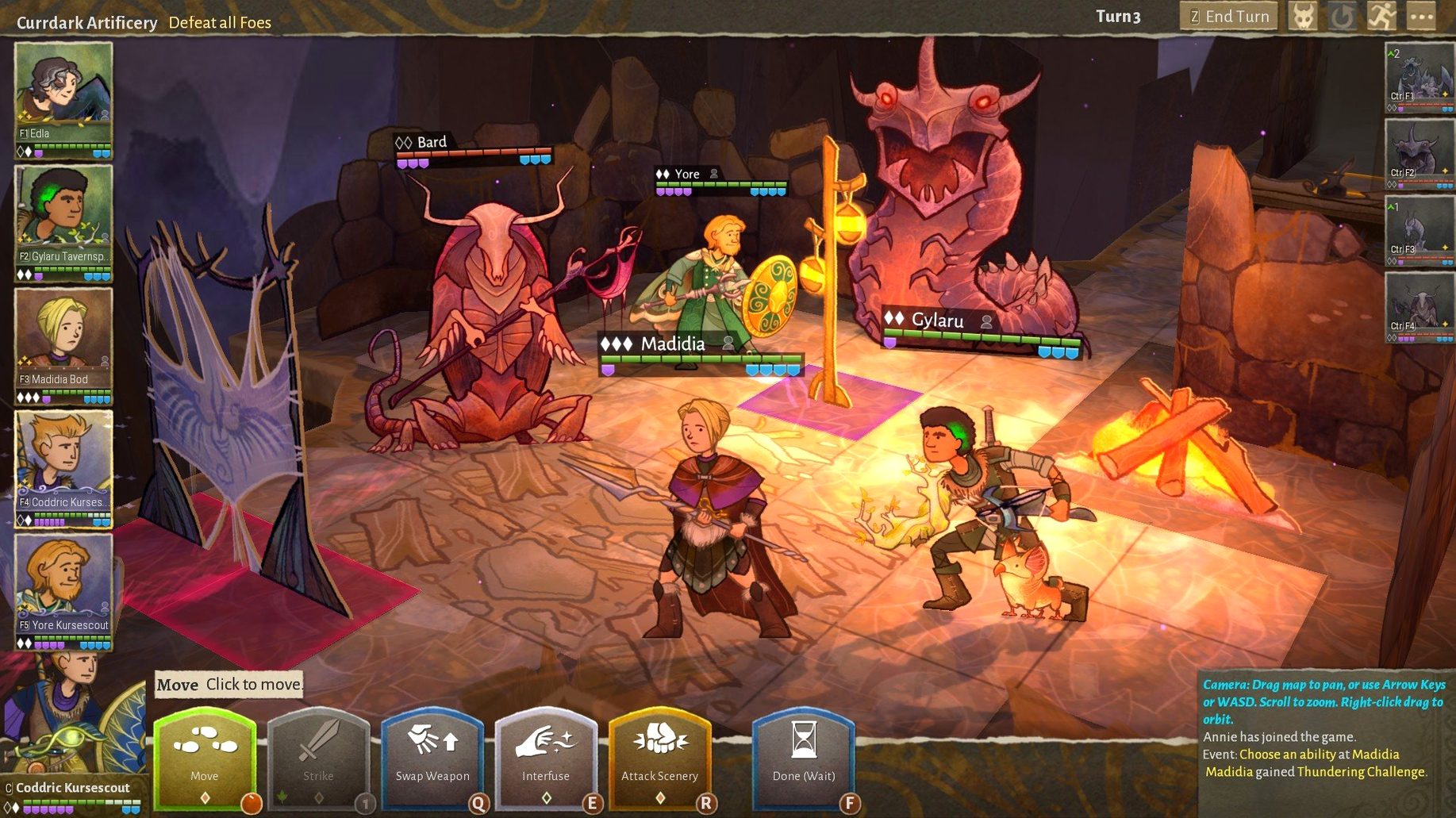
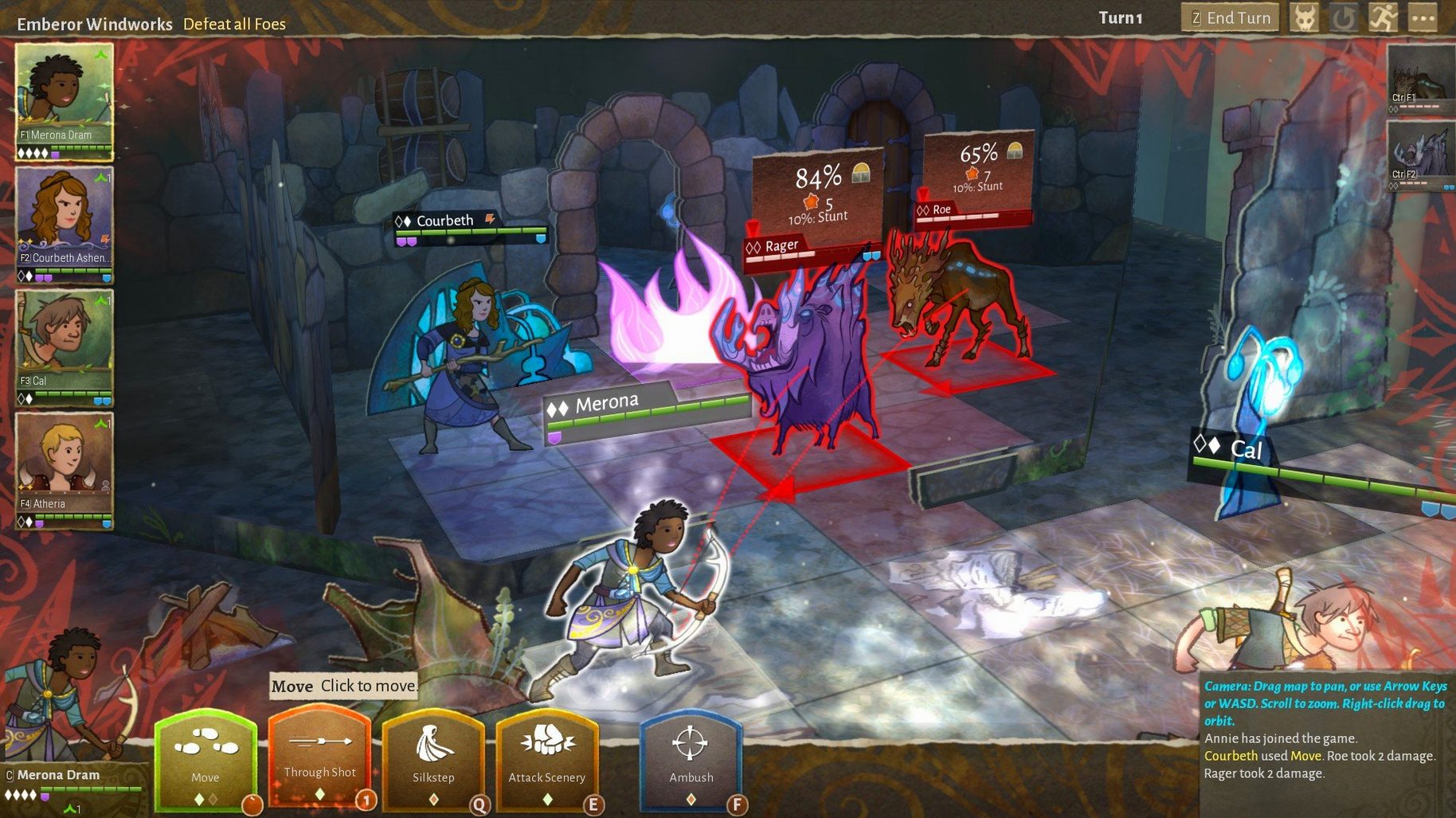
Combat plays out on grid-based, procedurally generated maps with three classes—Warrior, Hunter, and Mystic—each offering a distinct tactical rhythm. Mystics can bind themselves to scenery and lash out with devastating force, while the death mechanic lets you choose between a final, world-shaping sacrifice or losing a limb and pressing on, permanently changed.
Character history matters more than character builds here
- Players who care about character history over character builds
- Lovers of emergent storytelling and moral choices with lasting world effects
- Co-op groups who enjoy seeing relationships—friendship, attraction, rivalry—develop between party members
- Anyone who finds beauty in impermanence: characters age, change appearance, and eventually leave the story
Tactical combat feeds the story, not the other way around
- The tactical combat is solid but serves the narrative; it’s not a deep systems-first strategy experience
- Procedural generation means not every storyline will land with equal emotional weight
Savescumming through losses silences the best stories
A lot of new players treat Wildermyth like a conventional tactics game—build the strongest party, rush every objective, reload when something goes sideways. That impulse works against what makes the game sing. The biggest early misstep is savescumming through losses. When a hero loses an arm or takes a disfiguring wound, the instinct is to reload the last checkpoint. But those moments are where Wildermyth’s storytelling lives. A one-armed Hunter with a prosthetic hook isn’t a failure state; she’s a character with a history that colours every battle from that point forward. Let the game write those chapters.
Another common mistake is spreading your party too thin across the overland map. It’s tempting to scout every region and fight on three fronts at once, but monster incursions gain momentum quickly. A single undefended tile can cascade into lost territory and a harder final act. Pick two heroes to patrol adjacent tiles and keep the rest close enough to reinforce each other. And don’t ignore the retirement timer—characters who reach old age during a campaign will leave, and if you haven’t trained up a successor, you’ll face the third chapter with a rookie squad.
Undo Move turns repositioning from awkward to effortless
Before you start a campaign, open the gameplay options and toggle Undo Move to On. Combat lets you reposition during your turn as long as you haven’t taken an action, but the undo button makes it explicit and smoother. It’s a small mercy when you misclick a tile.
Turn on Show Threat Range for enemies. The overlay paints every square an opponent can reach on their next turn—essential for positioning squishy Mystics behind Warriors without counting hexes manually. While you’re there, set Auto-End Turn to Off. The game sometimes skips your final action if it thinks you’re done, and you’ll want that last movement point to reposition for an incoming wave.
Hold Alt to see why that shot is really 32%
Holding Alt while hovering a target during combat shows the full hit-chance breakdown—cover penalties, flanking bonuses, range modifiers—instead of the simplified percentage. It’s the difference between guessing why a shot is unlikely and knowing you need to step one tile left to clear a log.
On the overland map, right-clicking a hero portrait cycles instantly through your party. It sounds trivial, but when you’re managing five characters across a sprawling wilderness map, those seconds add up. Similarly, double-clicking an empty inventory slot opens the full gear list for that slot without navigating the sidebar.
When a character gains a transformation—crow wings, a crystalline arm, a wolf’s head—their combat abilities change, but the game doesn’t always flag the new interactions clearly. Opening the character sheet and hovering over the transformation icon reveals hidden synergies with your existing skills. A flame-imbued limb might add splash damage to a Mystic’s interfusion spells, a detail easy to overlook in the heat of a campaign.
- Intel architecture
Questions from the booth
The interface is available in English, Russian, German, Spanish, Simplified Chinese, Portuguese, and French.