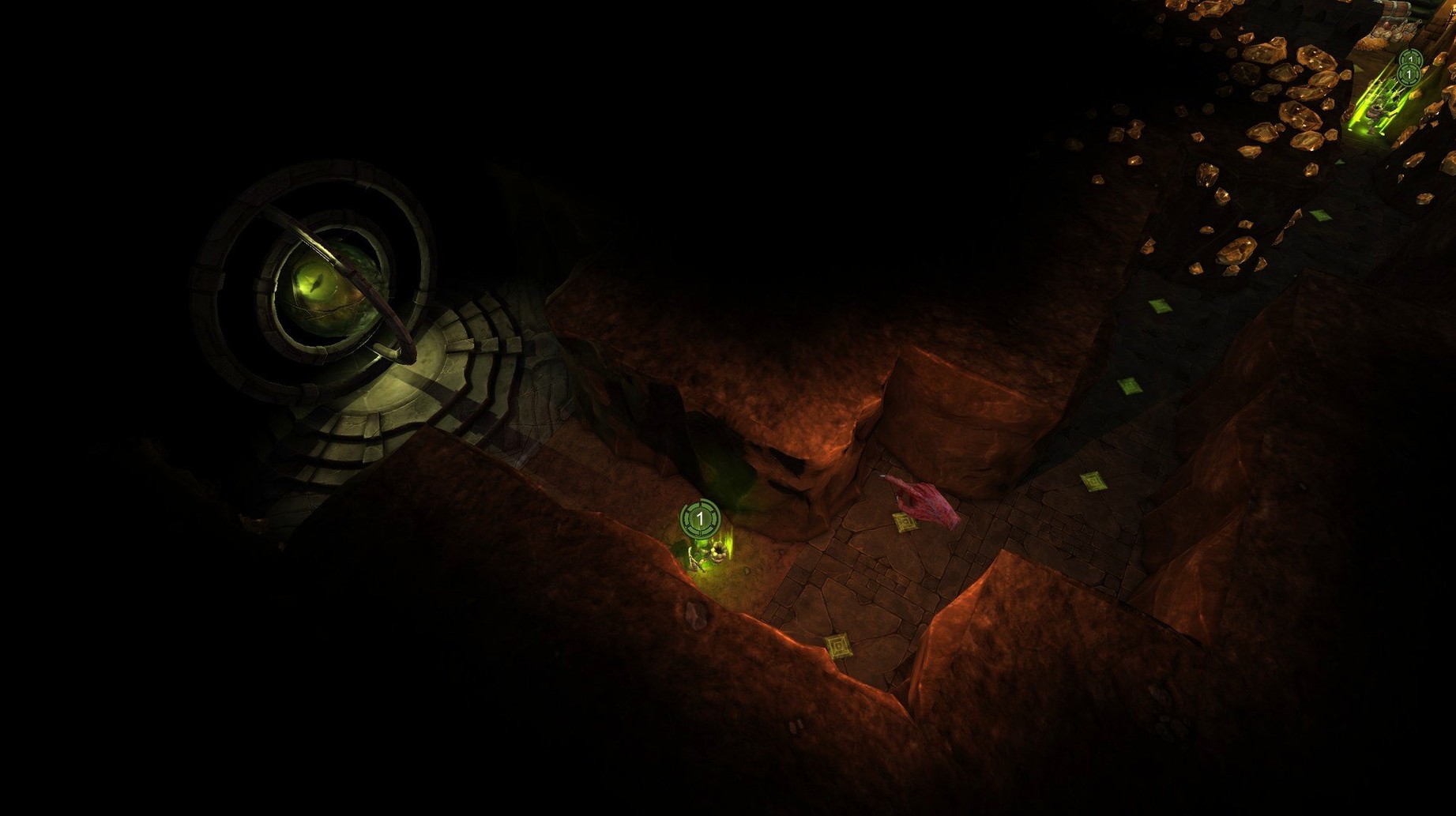
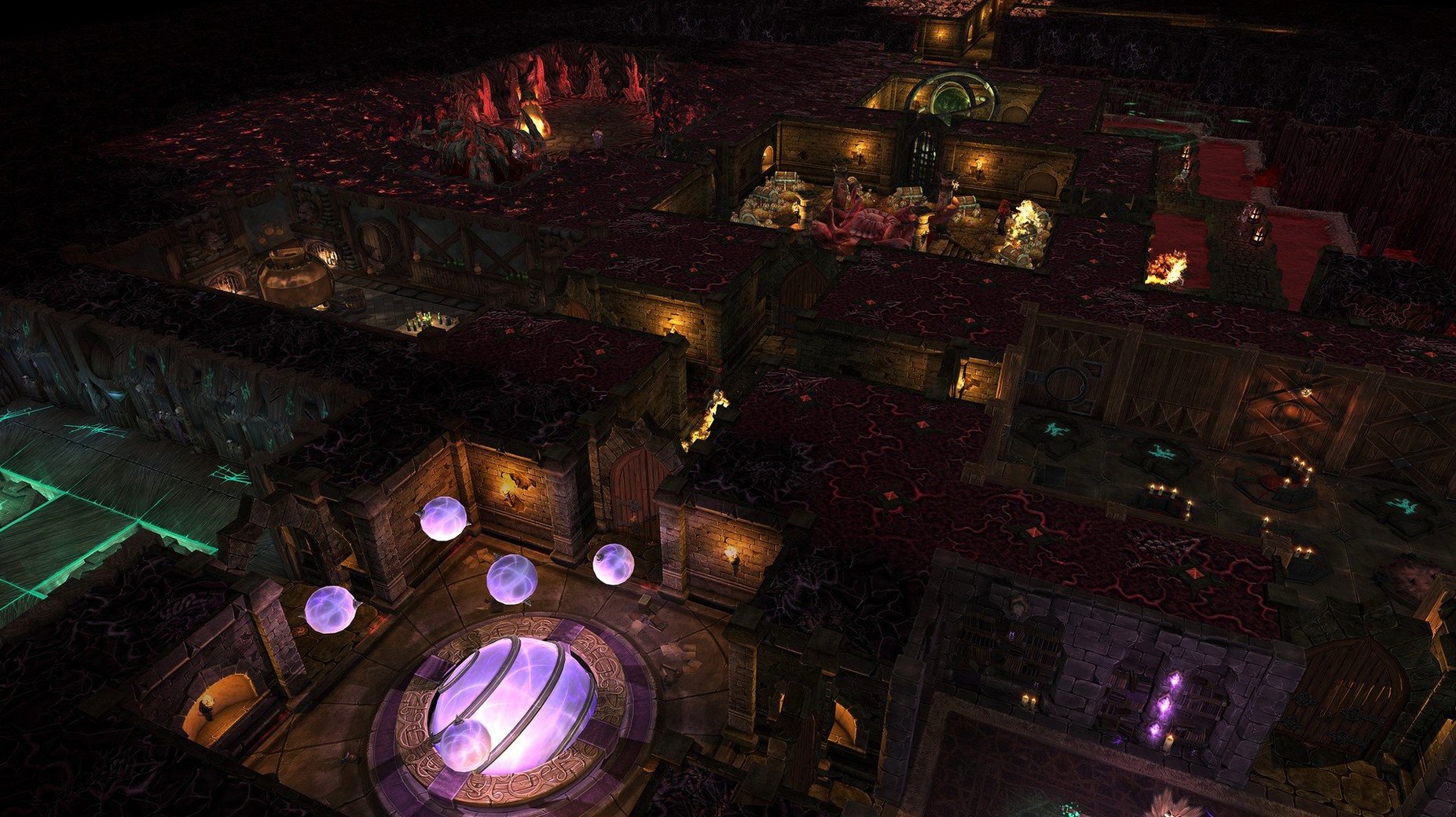
The current version runs on the same foundation that landed in 2015, so nothing has shifted under the hood — this is still the same darkly comic dungeon management game, built for Intel Macs that haven't crossed into Apple Silicon territory. If you've kept a machine on macOS 10.10 through 10.15, you're in its target window; anything running macOS 11 or later sits outside the supported range, and performance on those systems is uncharted ground.
- You need an Intel Mac with OpenGL 3.0 support, 4 GB of RAM, and 7 GB of free drive space — modest numbers now, but non-negotiable.
- The game never phones home for activation. No DRM means the installed folder is self-contained and portable between compatible Macs.
- Keyboard and mouse are the native input pair; the interface was built for a pointer, and the hotkey layout rewards players who learn it.
- Expect frame rates that track closely with your GPU's age. Integrated graphics from the 2012–2015 era will run it, but dedicated GPUs smooth out the busier underworld battles.
- Interface languages span Russian, English, German, Spanish, Italian, Traditional and Simplified Chinese, Polish, French, and Japanese — switched from the settings panel without a restart.
Headphones or speakers are listed as a requirement, and the sound design earns that slot: the narrator's commentary and the ambient echoes of your dungeon shift with every room you carve out of the rock. It's a game that listens back.
Common early-game traps that sink a dungeon
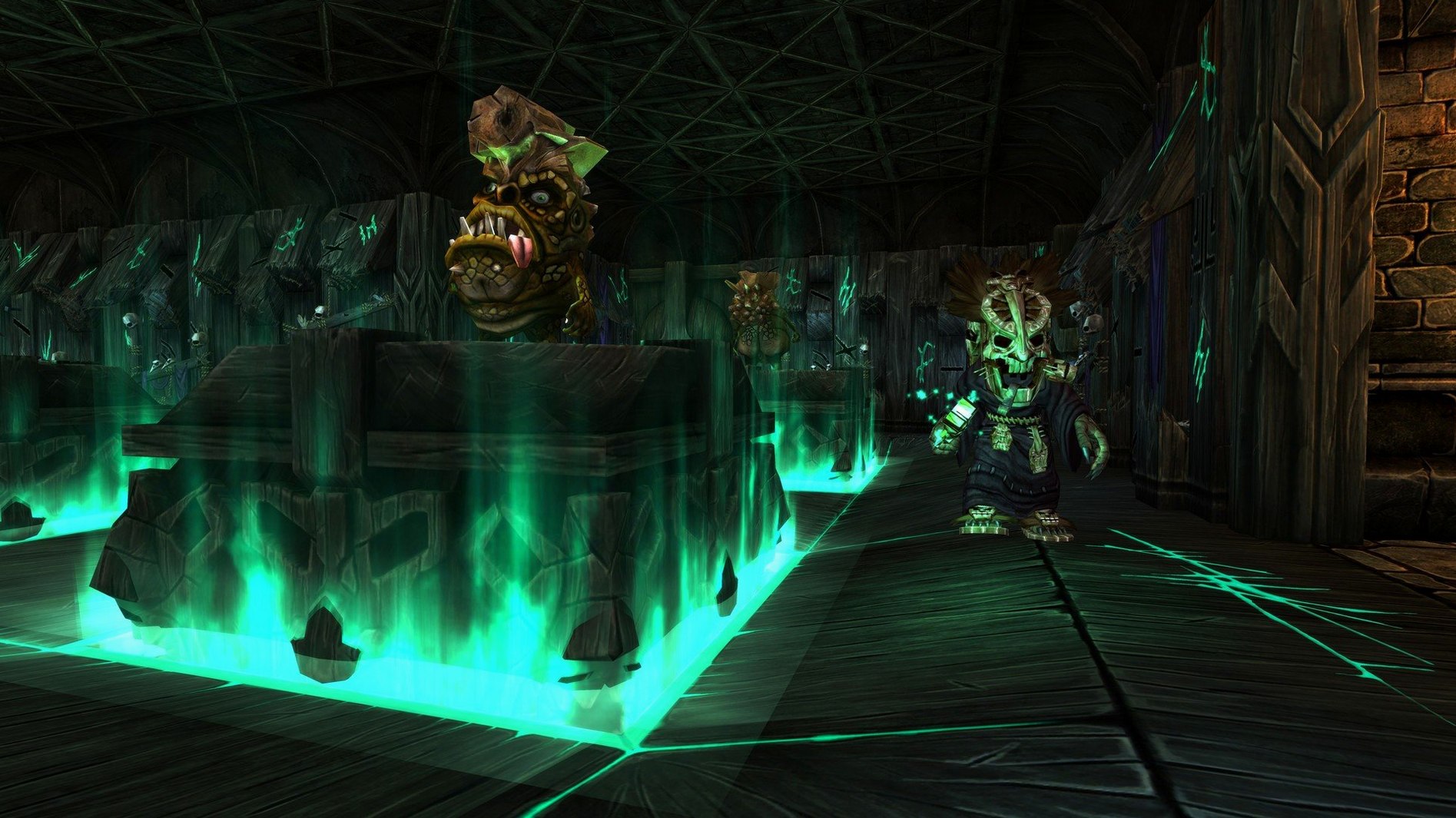
Most new Underlords dig too fast and fortify too late. The instinct is to carve out a sprawling lair right after the first gold vein appears, but wide-open floor plans are an invitation — every un-walled tile gives enemy heroes a direct line to your Dungeon Heart. Tight, defensible corridors with overlapping kill zones will save a run that brute force won't. Another habit worth breaking: neglecting the Beast Den and the Spirit Chamber until the mid-game. Those rooms unlock creature variety early, and a mixed garrison of melee blockers and ranged skirmishers handles early raiding parties far better than a stack of Worker imps alone.
Gold stockpiling looks like prudence but reads as hesitation. The AI director scales its waves partly on your treasury, not just your room count. Sitting on unspent coin while researching nothing signals the game to send what you haven't prepared for. Even a cheap Workshop churning out basic doors buys you the seconds your creatures need to regroup. And one silent run-ender: ignoring the overhead map toggle. New players tunnel through the rock blind, missing the mineral clusters and pre-built chambers seeded just off their sight line. Tapping the map view every few minutes reveals shortcuts and resource pockets you'd otherwise excavate past.
Building for a skirmish: a tight thirty-minute run
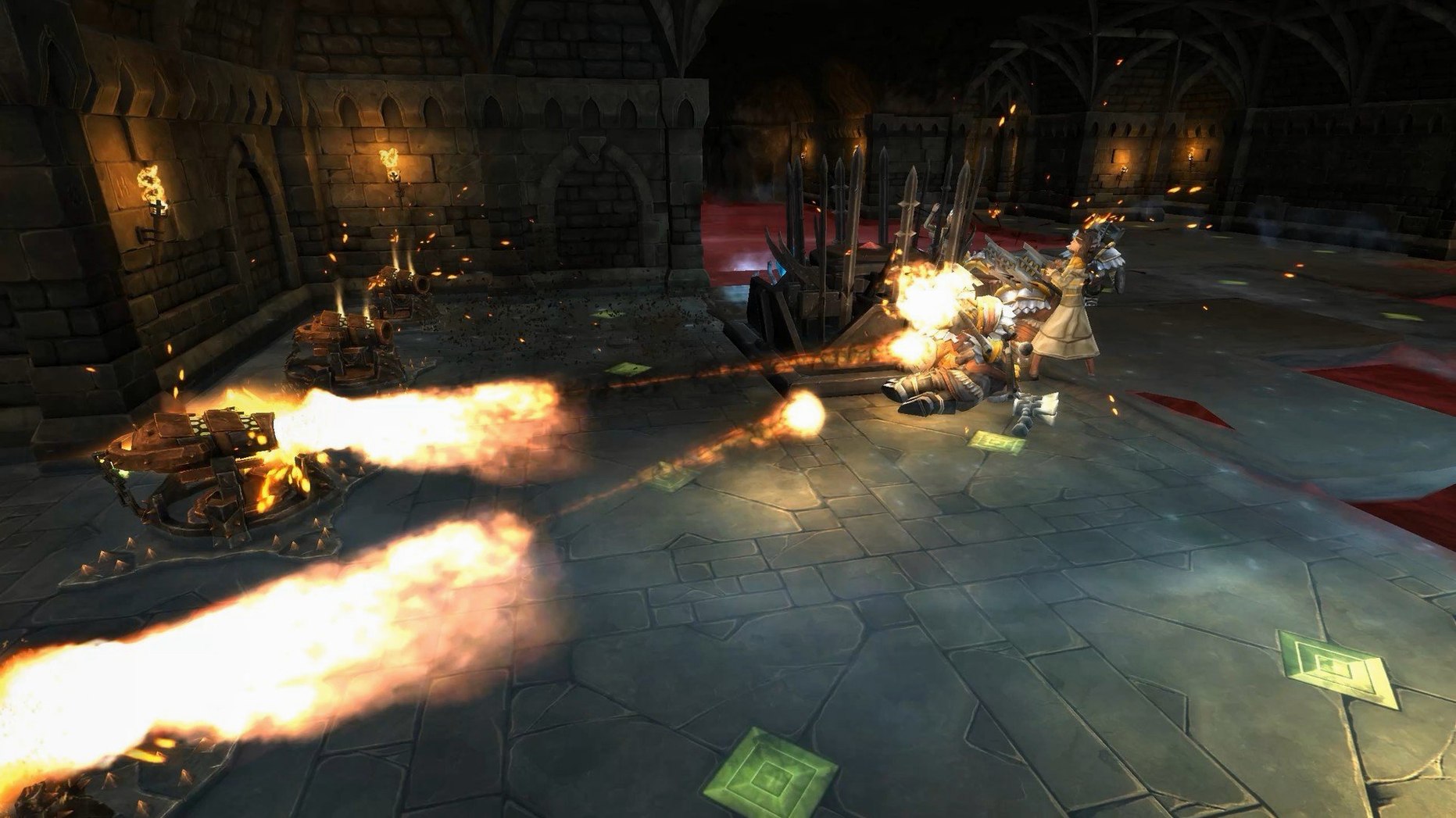
A skirmish against one AI Underlord on a small map is the best pressure cooker for learning room adjacency. Start by claiming the nearest gold seam with a single Treasury tile and dropping a Lair immediately adjacent — creatures that sleep close to their workstations respond faster when an alarm trap triggers. Build a Chicken Farm next, because hungry minions level slowly, and a low-level garrison folds against the first Round Three hero incursion. Before the first attack horn sounds, you want a Guard Room positioned between your Dungeon Heart and the most likely enemy approach vector; this baits the early waves into your strongest melee fighters while ranged units fire from the rear.
Once the first wave breaks, pause and scan the revealed fog of war for a second gold source. Claim it with a second Treasury and connect the new hallway with at least two door placements — a single door is a single point of failure. Drop a Foundry by the twelve-minute mark so your creatures start upgrading their own gear passively while you focus on laying traps further out. By the twenty-minute mark, push a scouting party of three or four creatures into the enemy's territory to trigger their traps early and give you a preview of their room composition. A skirmish this lean rarely stretches past half an hour, and you'll see room synergies click faster than a full campaign mission allows.
The Intel-only requirement on Apple Silicon Macs
The question that keeps surfacing is about the Intel-only requirement — and it makes sense, given how many Macs have moved to Apple Silicon since the game's 2015 launch. This version will not run natively on M-series chips, and the stated macOS ceiling is 10.15. People sometimes wonder if the game needs a persistent online connection. It doesn't. The DRM-free build sits entirely on your drive once installed; you can play the campaign, scenarios, and skirmish modes offline without any account checks. Another recurring thread: whether the map editor and custom content are included. They are, and the scripting support means community-made campaigns and maps — distributed through the Steam Workshop — slot into the game without extra downloads or converters.
File size comes up too. Seven gigabytes on disk, with no post-install patch downloads required because the package is self-contained. Headphone users occasionally ask about the narrator's volume balance; the voice is mixed prominently by design, but the audio sliders separate speech from ambient and effects, so you can rebalance to taste. Lastly, there's sometimes confusion about the game's tone. It is not a grimdark management sim. The narrator's commentary is arch, the creature barks are theatrical, and the visual language leans into the same warm palette its spiritual predecessor made familiar. Knowing that upfront sets the right expectations for a game that punishes careless expansion but never takes its own menace entirely seriously.
- macOS 10.10 to 10.15
- Intel processor
- 4 GB RAM
- 7 GB available storage
- OpenGL 3.0 support
- Speakers or headphones