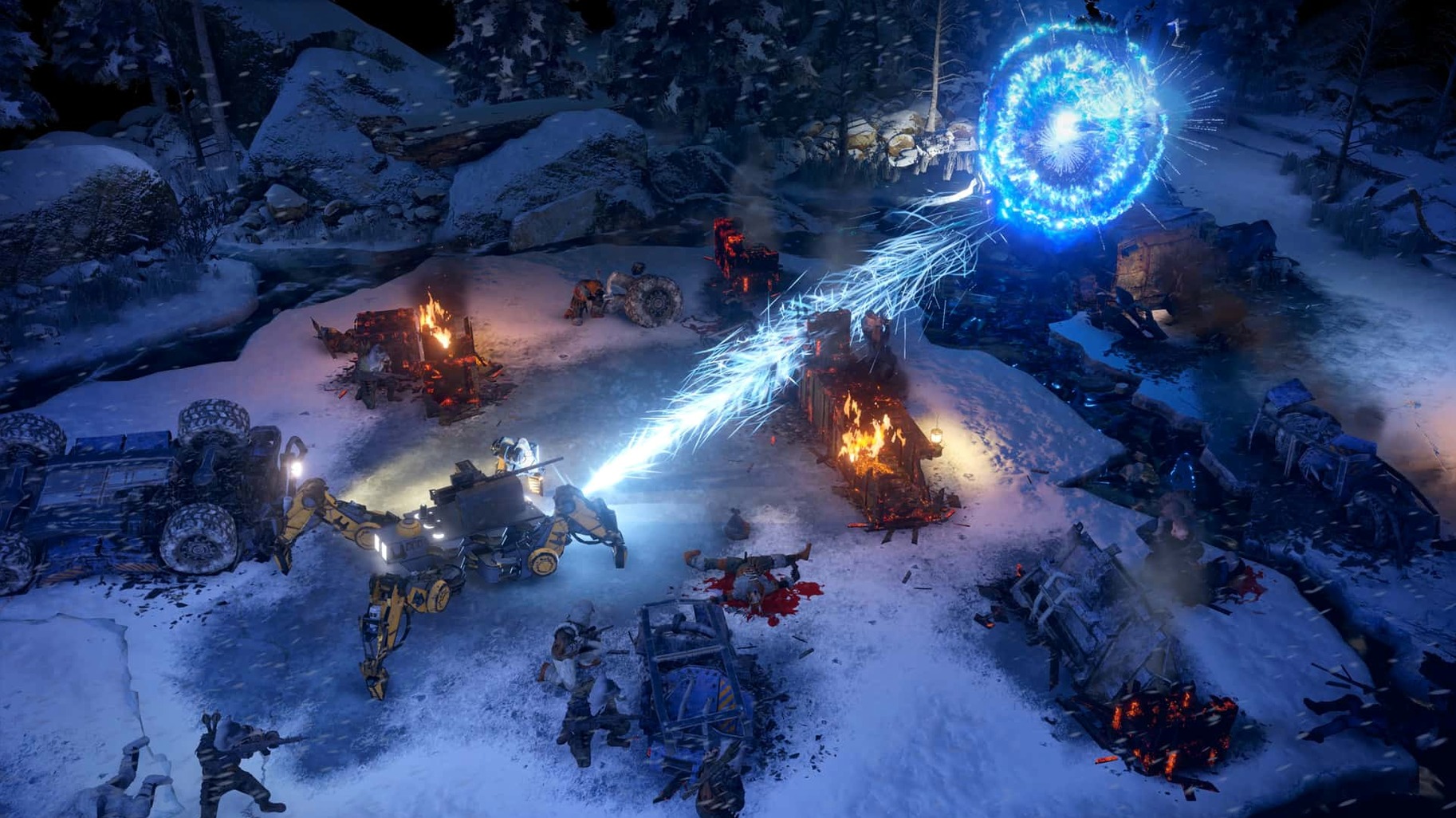
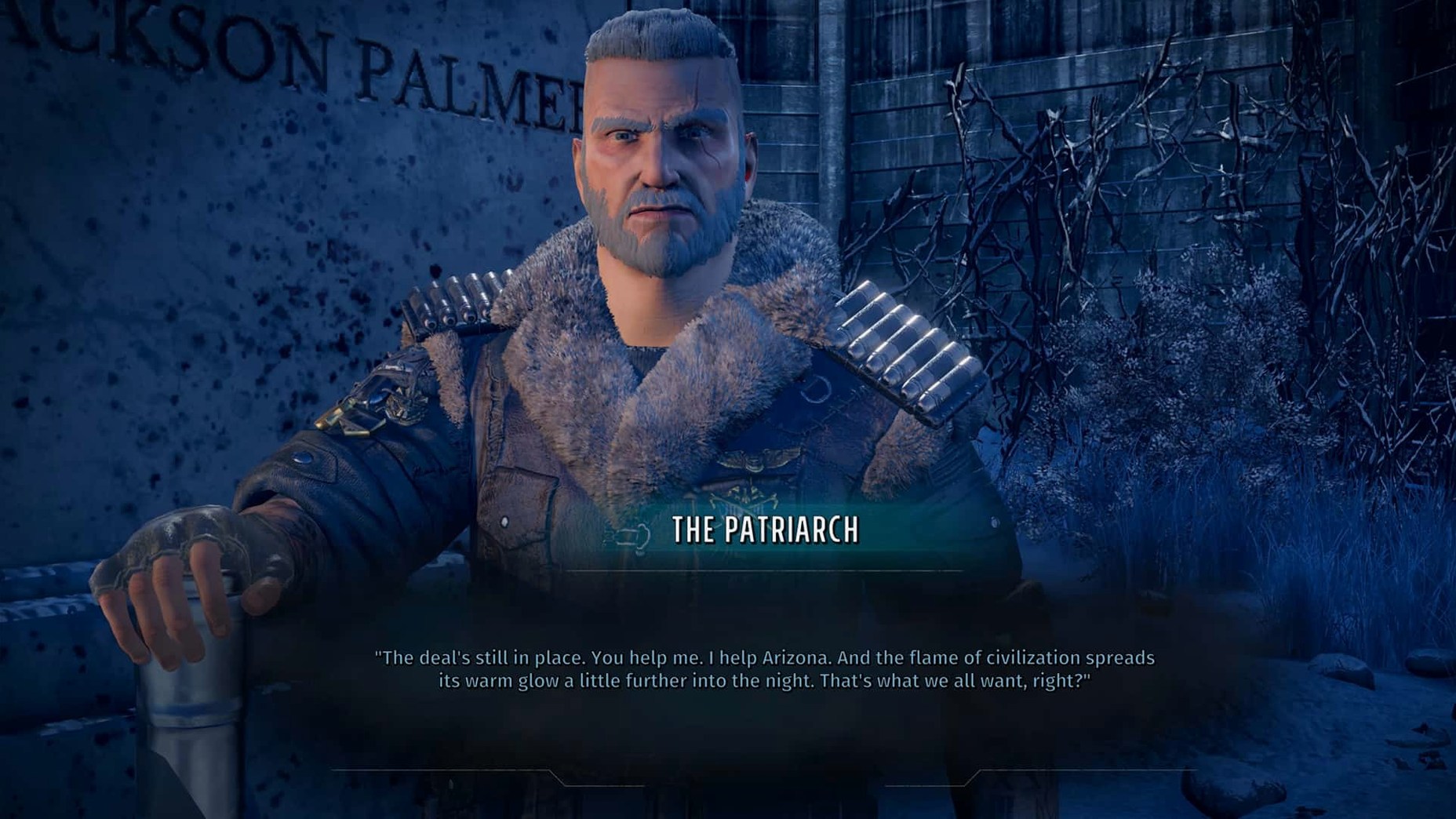
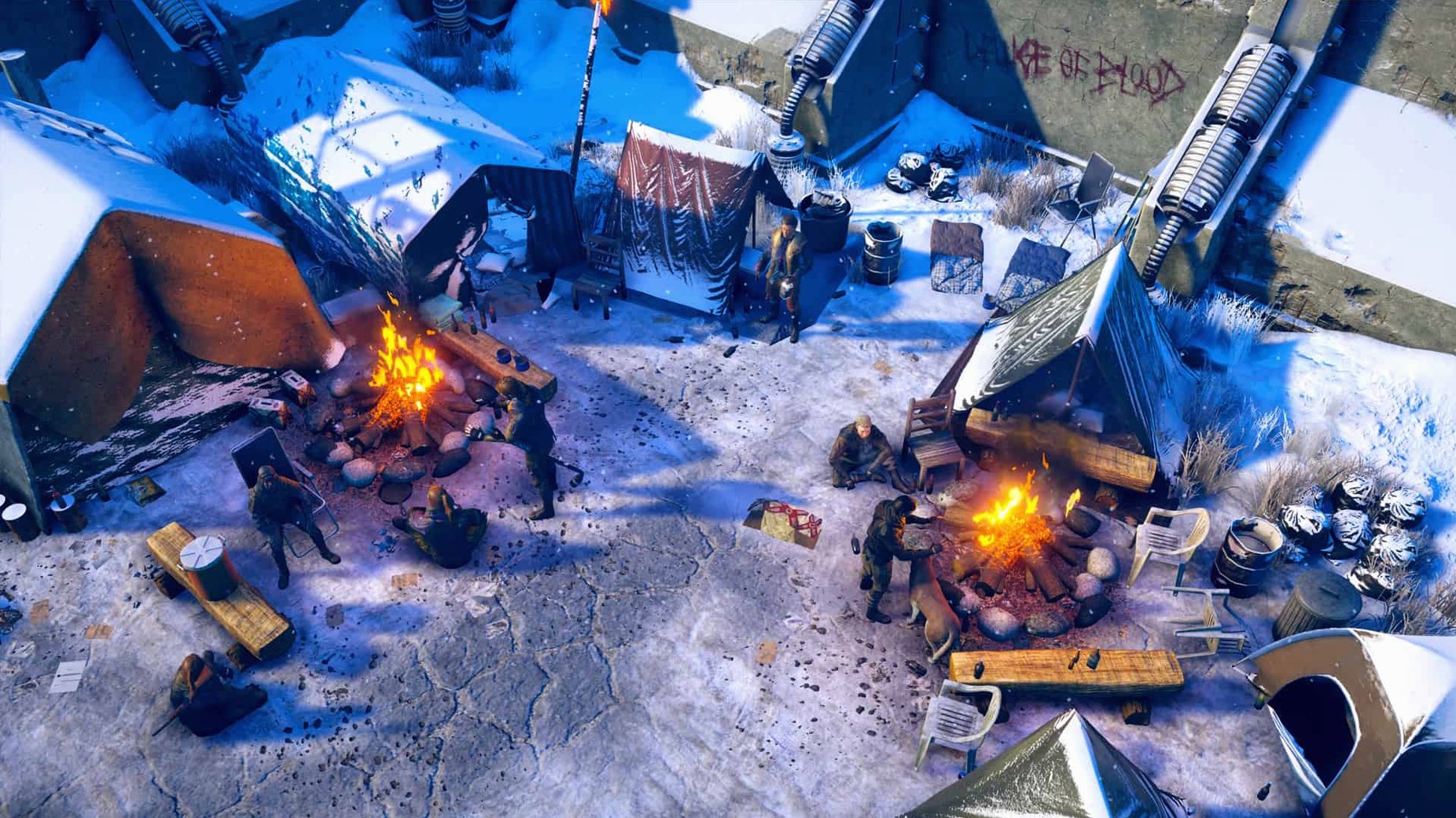
Kodiak. That's the name of your customisable battle truck, part armoured transport and part rolling arsenal, and it's how you'll carve a path through the Colorado snow. Wasteland 3 shifts the series' harsh, party-based role-playing onto the frozen roads of the post-nuclear Rockies, where every decision you make radiates outward through the region's fragile communities.
What kind of role-playing game is this?
It's a tactical squad RPG set years after a nuclear war. You command a team of Desert Rangers hunting for aid in Colorado, a state locked in a bitter winter. Combat is turn-based and cover-reliant, while the story reacts to your dialogue choices with long-term consequences for the residents and the land itself.
Can I shape my own squad?
Absolutely. You can recruit new members and train them to fit your playstyle, balancing skills like lockpicking, weapon modding and hard-ass negotiation. Each companion carries their own history, and your custom Ranger duo anchors the whole crew.
What else happens between battles?
You'll build and manage a base of operations, upgrading facilities that unlock new perks, gear and story threads. The Kodiak itself becomes a mobile hub where you radio contacts, switch party members and prepare before rolling out into the next blizzard-scoured encounter.
The Colorado story arc stands alone without prior games
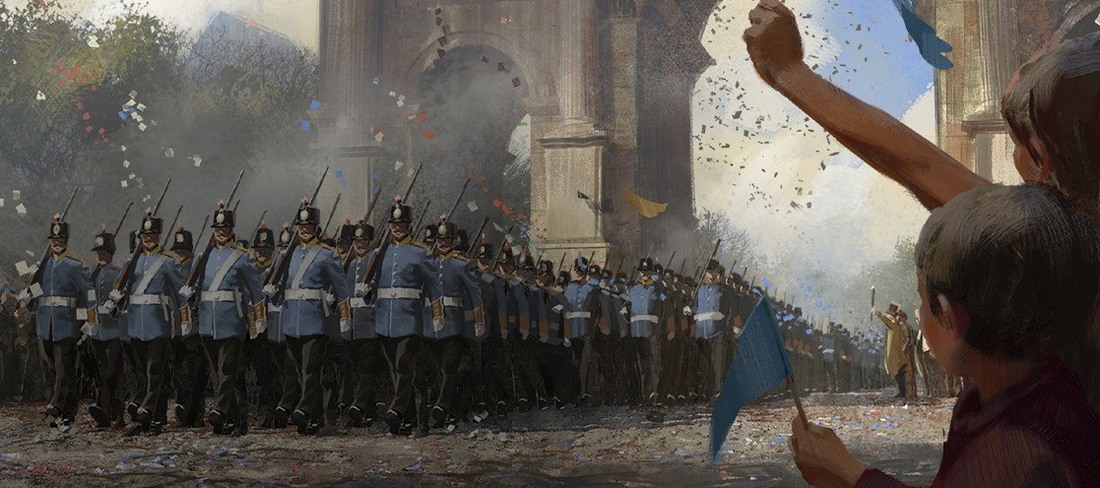
One question that comes up often is whether the story holds up if you never played the earlier Wasteland games. It does. The Colorado arc stands on its own, introducing the Rangers, their crumbling authority and the factions scrapping for control without demanding encyclopedic knowledge of the Arizona campaigns. The first hour does the heavy lifting, establishing why your squad is desperate and who stands to profit from that desperation.
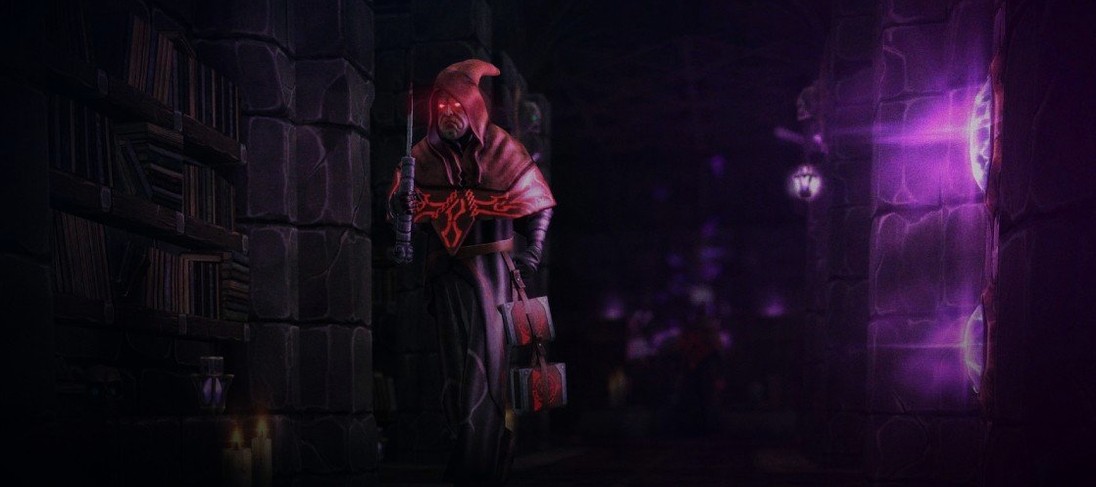
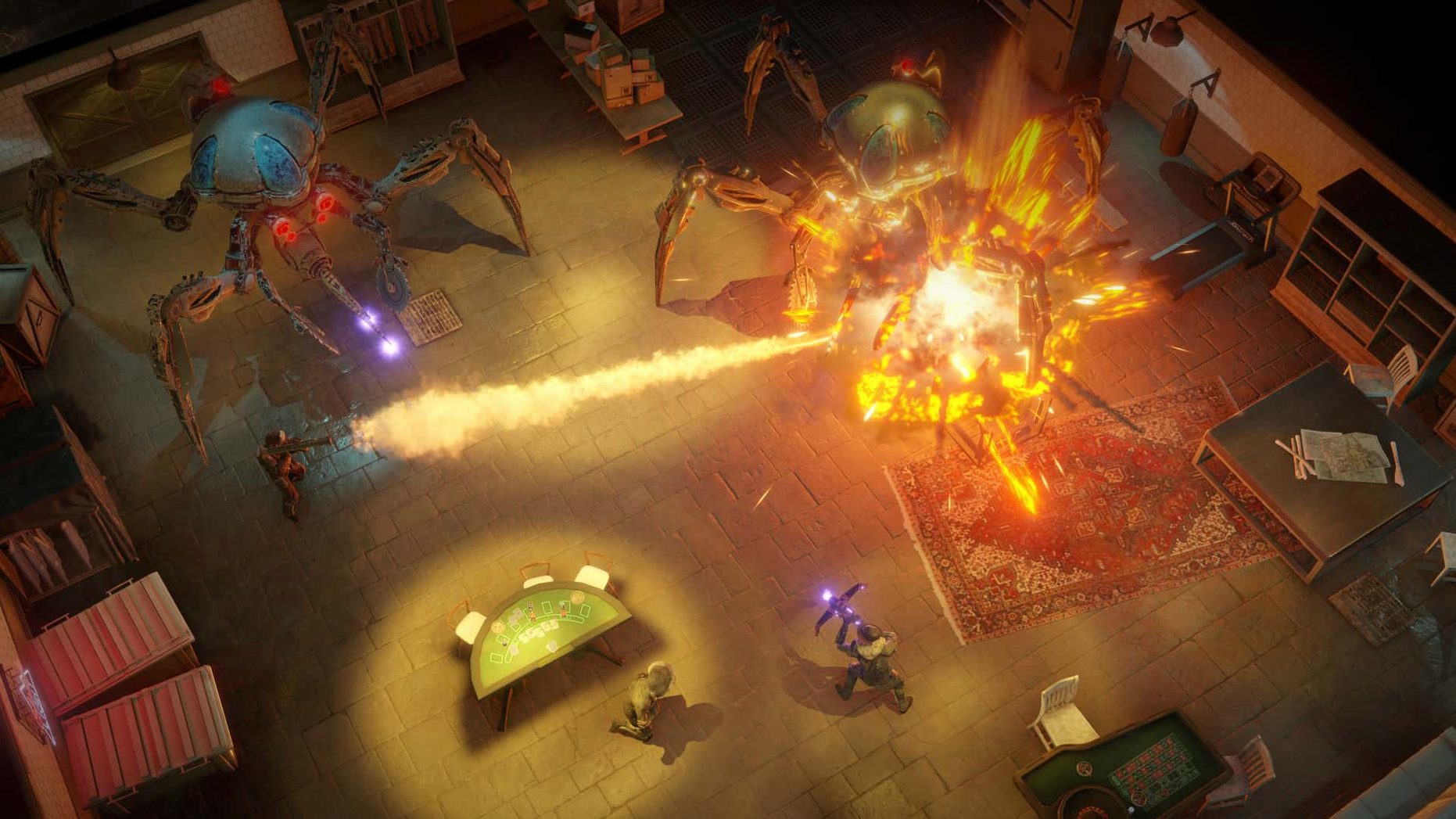
Another thread you'll see in forum discussions concerns the combat pace. This is a game that rewards patience—cover, positioning and action-point management matter more than quick reflexes. If you've spent time with XCOM or Divinity: Original Sin, the rhythm will feel familiar, though Wasteland 3 leans harder into the weirdness of its setting. Expect to face killer robots, mutant wildlife and fanatical cults in the same encounter, often with a darkly comic edge that undercuts the grim atmosphere.
And yes, the squad size is fixed at six Rangers in the field, plus occasional story-driven companions. That limit forces tough choices about which skills to bring. Leave explosives at home and you'll miss shortcuts through rubble; skip the weird science skill and certain enemy gadgets become much harder to neutralise.
A scenario from a solo role-player's evening
Picture a player who sinks into long RPG sessions after wrap days on set. She's been piecing together a squad for a week—two custom Rangers built around sniper and mechanic roles, backed by Lucia's small-arms precision and a melee bruiser she recruited in Colorado Springs. The Kodiak's chassis upgrade just finished, so she's mounted a radiation shield and a ramming plate for the mountain passes ahead.
Tonight she's pushing into the Bizarre, a makeshift trading hub inside an old shopping complex. What starts as a simple supply run turns when a conversation with a synth collector reveals a side entrance to a sealed-off parking garage. She talks her way past the door guard using her hard-ass skill, something she invested in early after a botched negotiation locked her out of a major quest line days ago. Inside the garage, a turret network and three armoured goons put that Kodiak ram to immediate use—she rolls the truck forward as mobile cover, peels her sniper left and watches the turn-based grid light up with flanking shots. The encounter runs twenty minutes, ends with two party members wounded and a cache of rare weapon mods, and by midnight she's genuinely unsure whether she'll side with the marshals or the refugees when the moment comes. That's the kind of night Wasteland 3 delivers.
Zoom out the camera for a tactical combat overview
Open the options menu before you take your first contract. The default camera distance pulls in close during combat, which looks cinematic but can obscure enemies behind cover. Increasing the zoom-out range gives you a tactical overview that makes flanking routes readable at a glance.
Movement speed outside combat is worth a look too. The Colorado map is large, and the default pace can make backtracking feel sluggish. A slight bump here keeps exploration snappy without ruining the atmosphere. While you're there, check the auto-save frequency—the game saves at key story beats by default, but shortening the interval can spare you a repeat of a lengthy dialogue tree after an unexpected ambush.
- macOS — Intel architecture supported