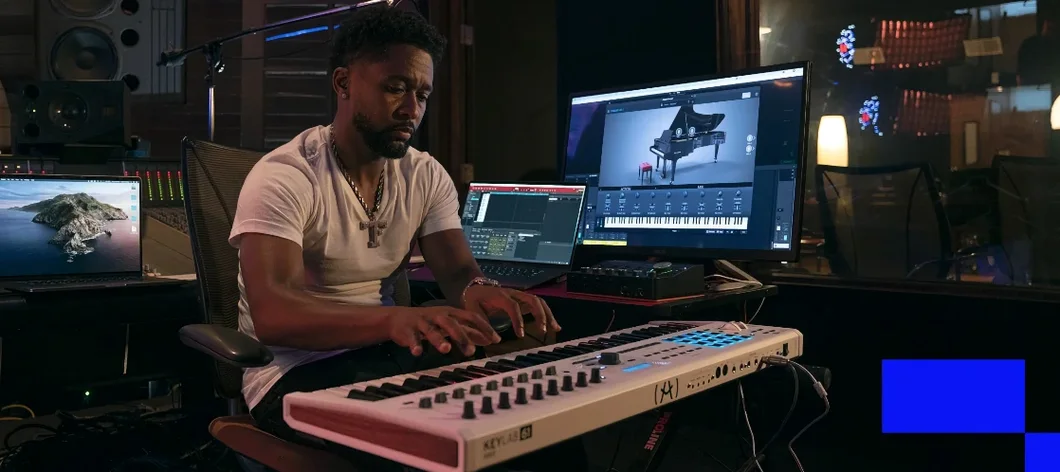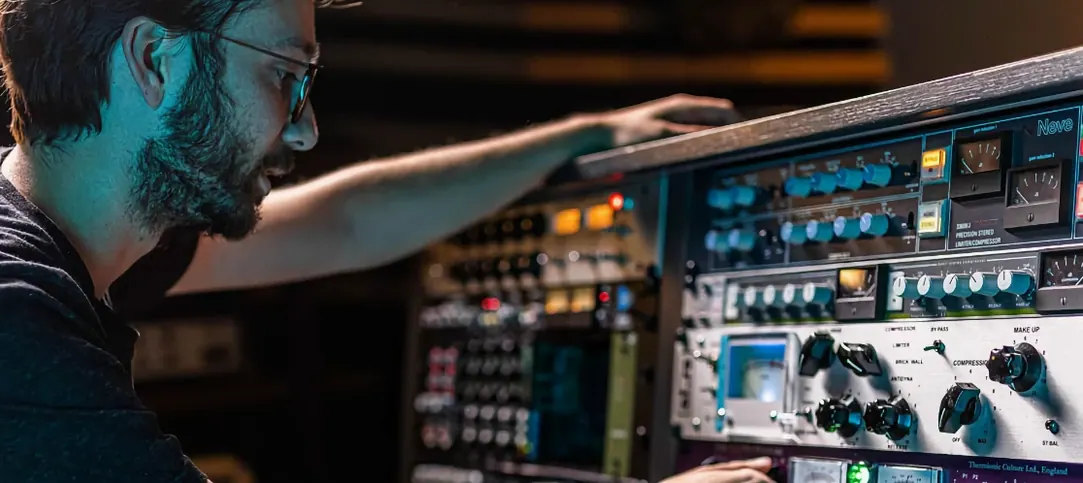
A rough mix is up on screen, drums and bass holding steady but the vocal feels distant, glued to the centre without a sense of space. On the lead vocal track you pull up a plate reverb from the collection, dial the decay back until it sits just behind the words, then slide a bus compressor across the drum group to tighten the transients without losing the room sound. The session shifts from a collection of parts into something that breathes.
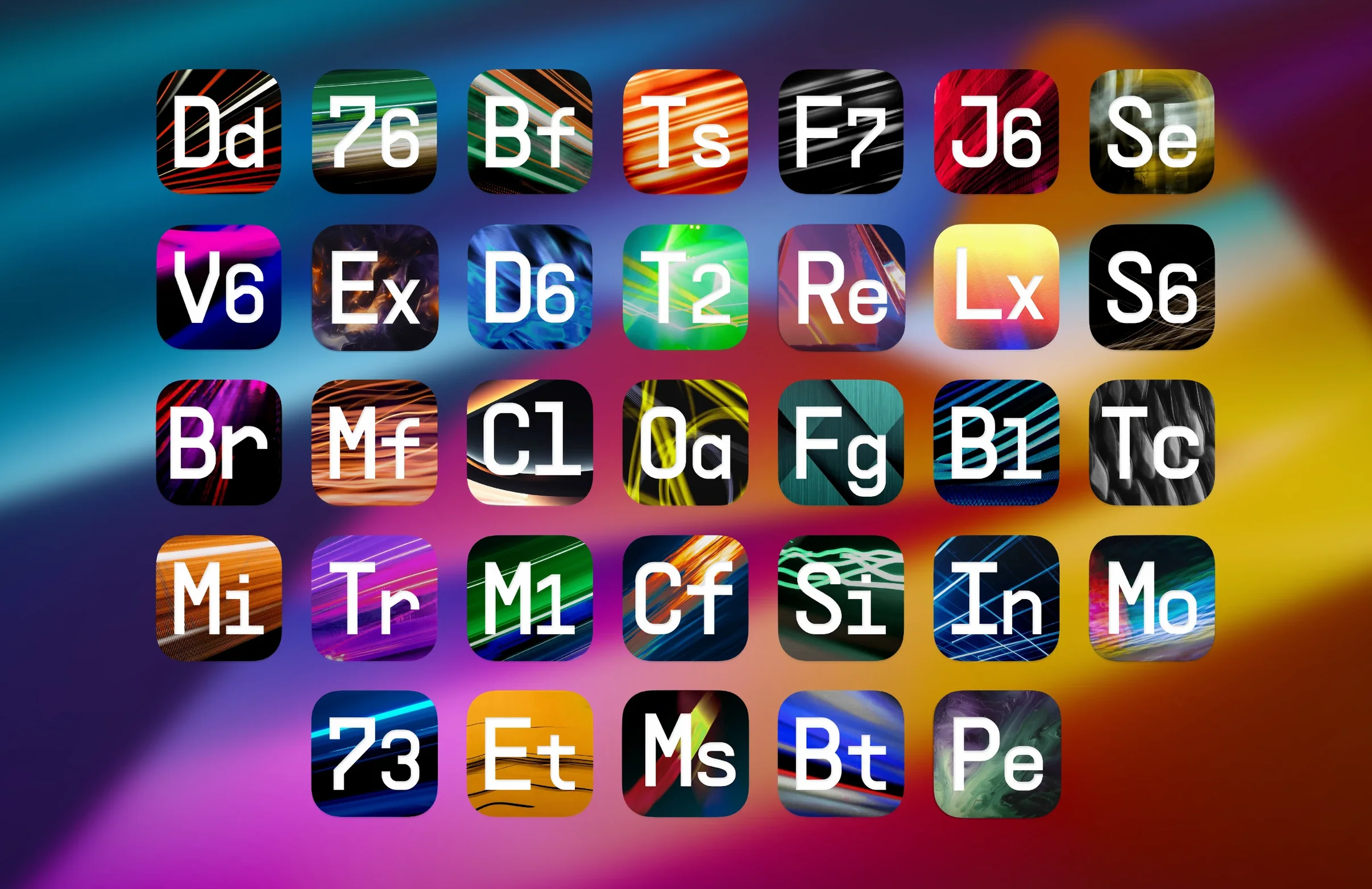
Arturia FX Collection gathers 34 sound-processing tools that slot into those exact moments — across individual tracks, subgroup buses, and the master chain. Preamps and EQs shape tone at the source; compressors and transient shapers control movement on buses; delays, modulation effects and spatial tools build the dimensions of a finished mix. The 2026.02 update folds in a new Pitch Shifter-910 and a Bus Transient processor, extending the palette toward pitch-based texture and group dynamics.
The more than 1,400 presets are genuinely useful starting points, not just showcases. A patch named after a classic hardware chain often reveals a routing idea you can adapt with your own settings, whether you are tightening a snare bus or sending a synth pad into slow, degraded modulation. Everything runs natively on Apple Silicon and Intel Macs from macOS 11 onward.
On a busy project, the workflow stays out of the way. You insert what you need on a track, tweak from the modelled front panel, and move on. By the time you reach the master bus, the little choices — the preamp colour on the bass DI, the optical compressor softening the backing vocals, the tape echo nudging a guitar part off the grid — have already done the work.
Building a drum bus from scratch in a dense mix
A project lands on my desk with live drums tracked across eight mics — kick, snare top and bottom, overheads, two toms, a room pair and a spot on the hi-hat. The raw tracks are well recorded but the kit feels disjointed, each element occupying its own frequency pocket without any glue. I route all eight channels to a stereo drum bus and start building the processing chain from the collection with a clear sequence in mind: shape the tone first, control the dynamics second, then add dimension.
On the kick track I drop a preamp emulation to push some transformer weight into the low end before it hits any EQ. A gentle boost around 60 Hz through a Pultec-style processor gives the beater enough body without clouding the bass guitar, which sits right below it. The snare top gets a fast optical compressor catching peaks around 4 dB of reduction, just enough to tame the rim shots without flattening the ghost notes. On the overheads I pull up a tape emulation — the Tape J-37 is new in this version and it does something lovely to the cymbals, rounding off the brittle top end that cheap condensers sometimes introduce. The flutter is barely audible but you feel it when you bypass the plugin; the image collapses inward without it.
The drum bus itself now carries three processors in series. First, a Bus Transient module tightens the attack across the entire kit. I set it to catch the stick impact on the toms and the click of the kick, leaving the sustain from the room mics untouched underneath. Next, a bus compressor in feed-forward mode, ratio set low at 2:1 with a medium attack, pulls the overheads and room into a cohesive breath that pumps gently with the snare backbeat. Finally, a subtle mid-side EQ dips the centre channel around 400 Hz to carve out space for the lead vocal, which will sit above this bus in the final balance. When I bypass the whole chain, the kit sounds like eight separate recordings. With it engaged, it sounds like a band in a room.
Worrying about conflicts with your other Arturia plugins
The most frequent question I hear about the entire Arturia ecosystem is whether installing one collection alongside another causes conflicts or duplicate plugin entries. The FX Collection shares its installer architecture with other Arturia bundles, so the Software Center application recognizes what is already present and only adds what is new. If you have been using individual Arturia effects or an older bundle, the 2026.02 package installs alongside those without overwriting the earlier versions — you simply see the updated plugins appear in your DAW alongside any legacy instances you choose to keep.
Another concern centres on the AAX format. Several users on larger Pro Tools rigs have asked whether the collection covers their session template. In this version, AU and VST3 formats are fully functional, while AAX does not load. If your workflow lives entirely inside Logic, Ableton, Cubase or Reaper, this changes nothing. Pro Tools users on macOS can run the AU versions through a bridging host like Blue Cat's PatchWork or simply keep a secondary DAW for sound design tasks that lean heavily on these processors. The processing quality is identical regardless of which wrapper hosts the plugin.
People also ask about preset migration. The collection reads its own format natively, so any user patches saved from a previous Arturia effect version load without conversion. The new additions — the Pitch Shifter-910, the Tape J-37, the Bus Transient and Efx Ambient — each ship with their own factory library, and those integrate into the unified browser alongside the existing 1,400-plus presets.
Stability and feel during long sessions
I have run the collection across a mix of Intel and Apple Silicon machines over several months of daily sessions, and the stability profile is consistent with modern Arturia releases. On an M1 Max MacBook Pro with 64 GB of RAM, a project containing 18 instances of various effects — a blend of preamps, the new tape emulation, three reverbs and a handful of modulation plugins — idles at around 12% CPU in Logic with a 128-sample buffer. Bumping the buffer to 256 samples drops that below 8%, and I have not encountered a single kernel panic or sudden quit on this hardware. The plugins unload cleanly when removed from a channel strip, and memory reclaim behaves as expected; there is no gradual leakage over hours of playback.
The few minor glitches I have seen occur on older Intel machines running large orchestral templates alongside the collection. A 2019 iMac with an i9 processor occasionally stutters when instantiating the Tape J-37 during playback, though the same plugin inserted while the transport is stopped behaves perfectly. The workaround is trivial — pause, insert, play — and once the plugin is running, the playback buffer stays stable. On the Apple Silicon side, the native ARM code paths make a practical difference: the Efx Ambient reverb, which can run quite heavy algorithms, renders roughly 40% faster on the M1 Max than on the Intel i9 under Rosetta, and the interface controls never lag behind parameter automation from a controller.
Where the collection sits among other tools
I use these effects alongside a handful of other plugins that fill different niches, and the handoff between them has become second nature. The Bus Transient often sits next to a channel strip from another developer on my dialogue bus for video work; I clip-gain the speech first, then feed it through the Arturia processor for micro-dynamic control before it hits a limiter. The two plugins complement each other because the Bus Transient focuses on the shape of the transient rather than broadband gain reduction, and macOS Audio Unit hosting handles the routing without adding latency that would throw off lipsync.
On the macOS side, the collection integrates with the system-level audio routing in ways that matter during hybrid sessions. I sometimes route a hardware synthesizer through an aggregate audio device, then insert a tape delay or the Pitch Shifter-910 directly on the input channel in Logic before the signal reaches any other processing. The AU version reports latency correctly to the host, so delay compensation stays sample-accurate even when I chain four or five plugins across an input-monitored track. Core Audio handles the buffer negotiation smoothly; I have not needed to manually offset any track when using these effects in a live monitoring path.
For sound design work that moves between a DAW and a video editor, the collection's presets travel well. I can build a texture in Logic using Efx Ambient feeding into a modulated filter, bounce the audio, and drop it into DaVinci Resolve on the same machine. The rendered file carries the processing with no dependency on the plugins, so the video project stays portable. When I need to revise the texture, I open the original Logic session and the collection recalls every parameter exactly as I left it — even the macro knob assignments I mapped to a MIDI controller the week before.
The 2026.02 release, announced as Arturia FX Collection 6 on 19 February 2026, adds two new effects to the suite: a Pitch Shifter-910 for harmonisation and pitch-based texture, and a Bus Transient processor designed for shaping attack and sustain across grouped channels. The package supports macOS 11 and later.
- macOS 11 or later
- Apple Silicon or Intel processor
- 64-bit host