Version 5.3.0 brought eSign workflows, dedicated signature fields, and online signing into the app, and that spirit of quiet refinement carries through to the current 6.0.0 release. It remains a PDF editor that feels built for the way a Mac handles documents — native on both Apple Silicon and Intel machines, with an interface that stays out of your way until you need a highlighter, a signature, or a batch conversion.
Universal binary runs natively on M-series and Intel Macs
It runs on any Mac with macOS 11 or later, and it’s a universal binary, so it’s equally at home on an M-series chip or an older Intel machine. There’s no emulation layer to worry about; just drag the app into Applications and go.
Merge, sign, convert, and annotate beyond basic reading
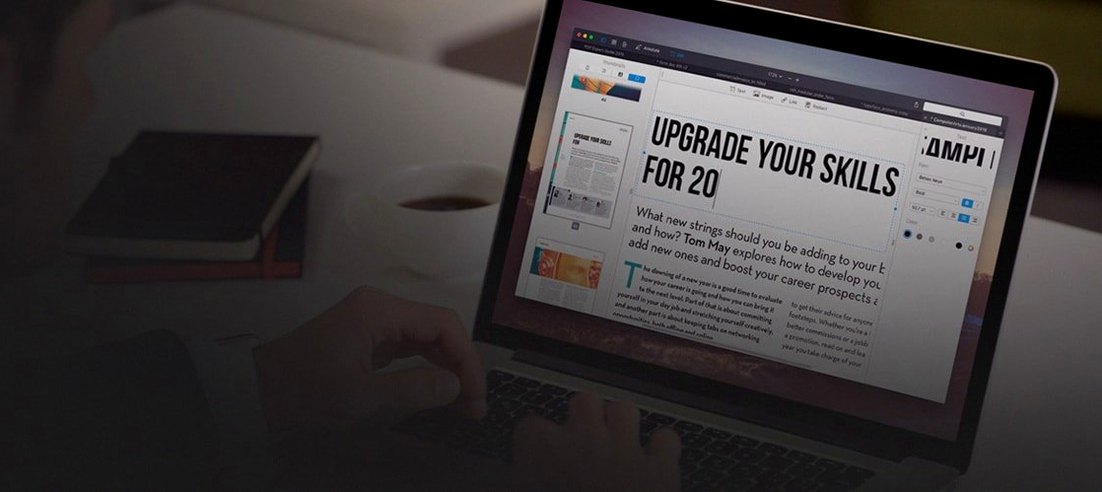
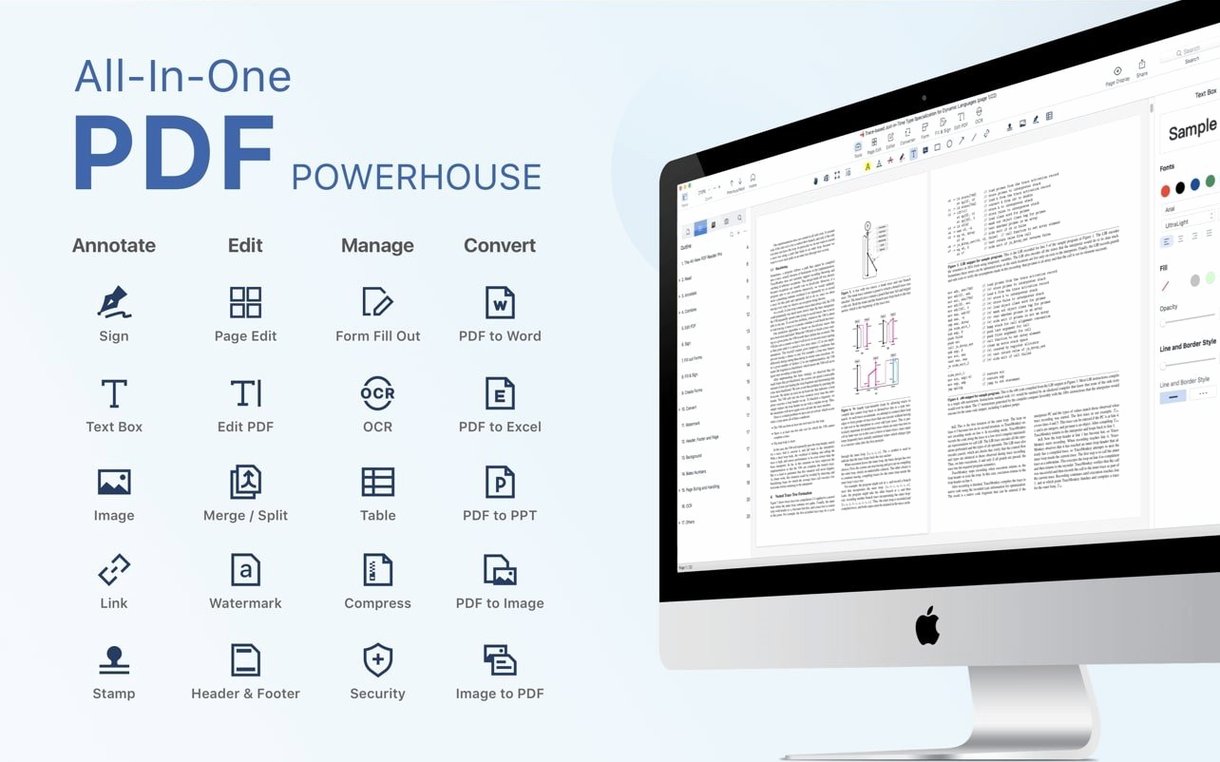
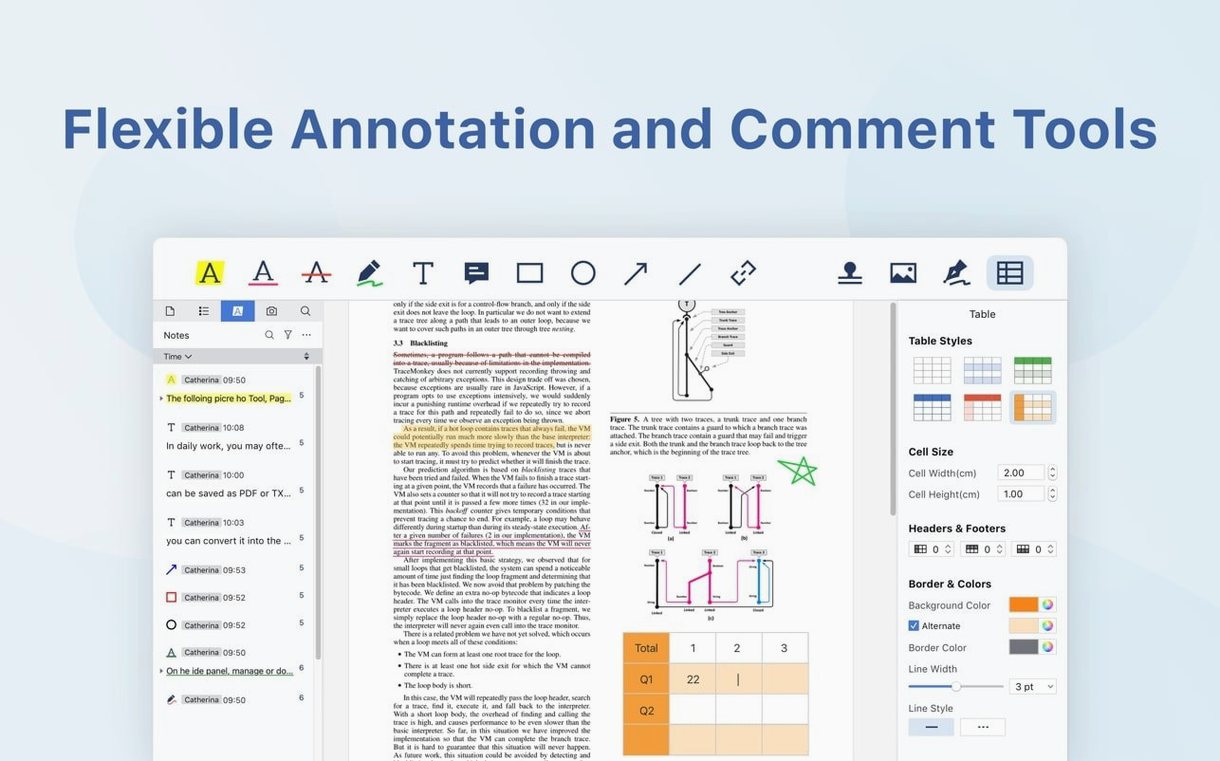
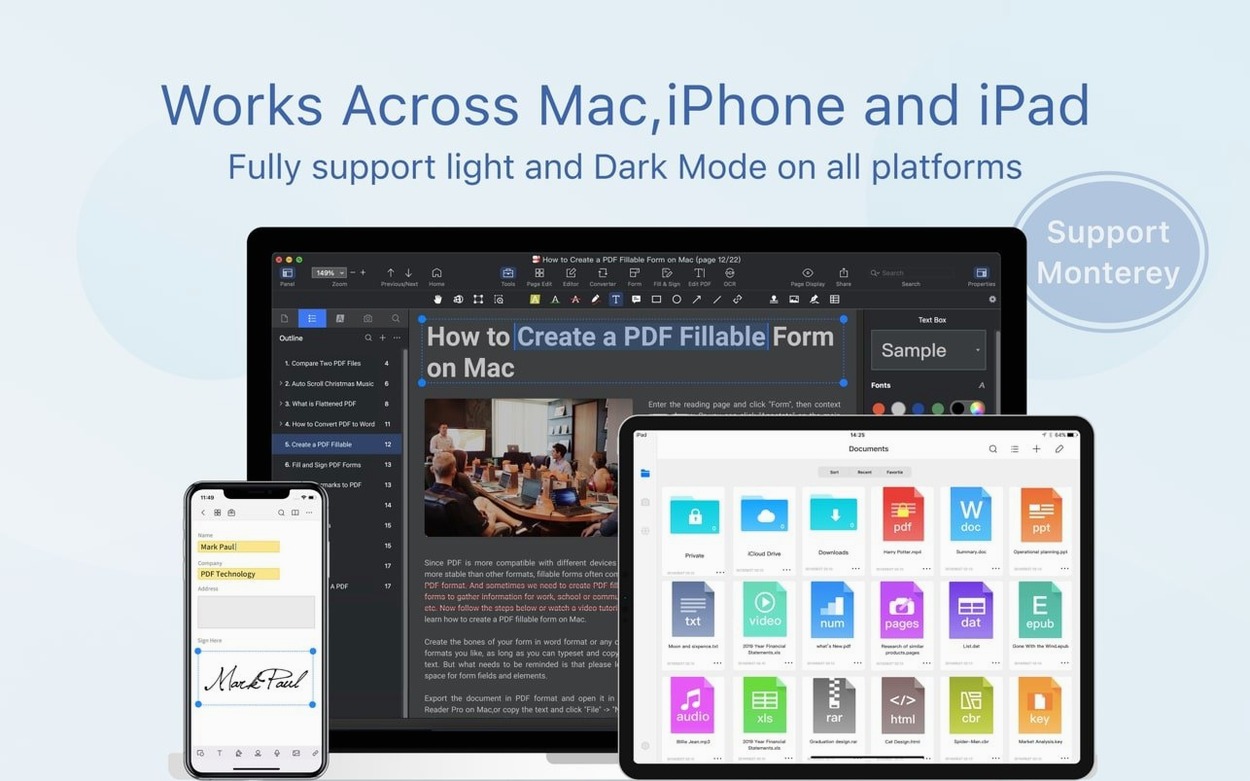
Annotations are the obvious starting point — highlights, notes, and shapes that feel responsive rather than bolted-on. From there you can merge documents, fill out interactive forms, convert files to other formats, and drop in a digital signature whenever a contract lands in your inbox.
Does it help with accessibility?
Text-to-speech is built in, so you can have a document read aloud while you follow along. It’s a small thing that makes long reports or proofreading passes feel less like staring at a screen.
What about presenting or working in other languages?
Presentation mode turns a PDF into a slideshow without exporting to another format — useful for pitch decks or lecture notes. The interface itself speaks eleven languages, including Russian, Japanese, French, and Simplified Chinese, so the tools are labelled in a way that makes sense to a wide range of readers.
Most people wondering about a tool like this are really asking a quieter question: will it be another piece of software I install and then resent because it fights me on something simple? That usually comes down to a handful of specific worries, and they're worth answering directly.
The biggest one is whether you can trust what you see on screen. A PDF reader pro that mangles complex layouts or shifts text blocks by a few pixels is worse than useless for anyone reviewing a layout proof or a legal document. Here the rendering engine is the same one you'd expect in a dedicated reader — type stays sharp, vector art doesn't soften, and forms render the way the creator intended. You can flip between pages fast enough that it feels like a native preview, not a port.
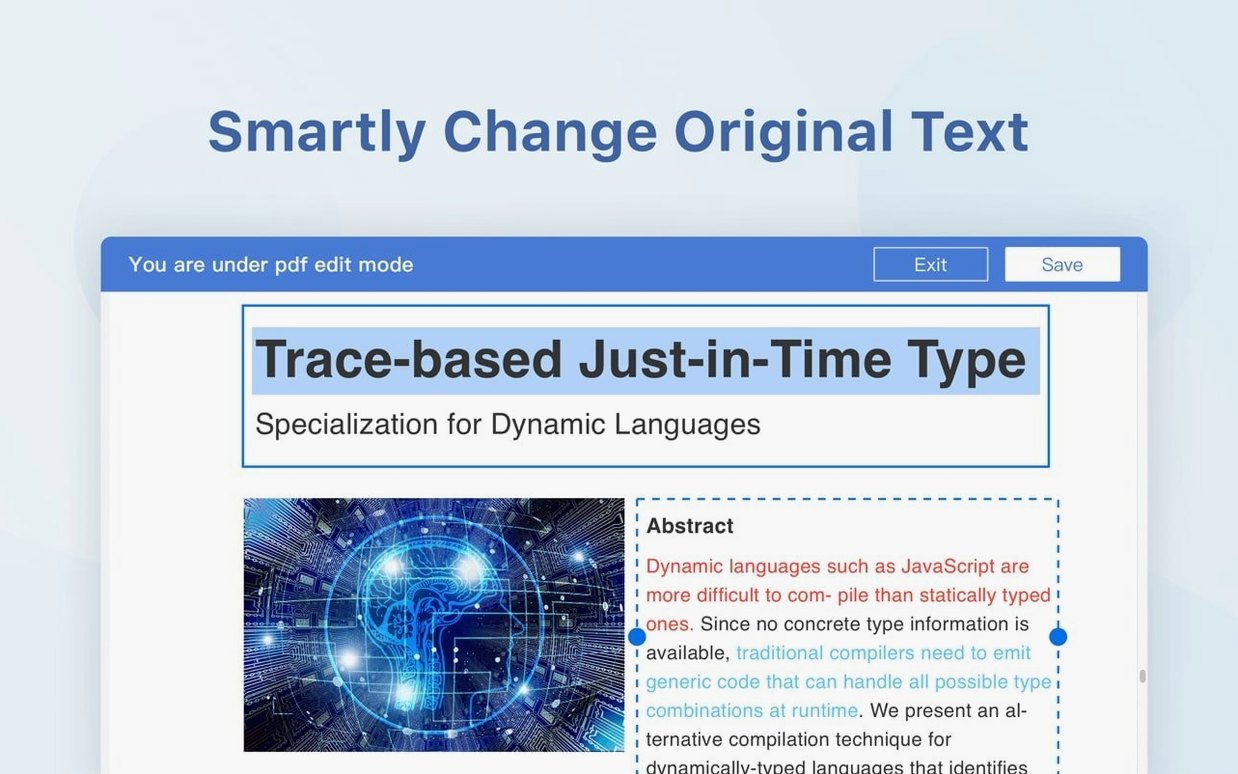
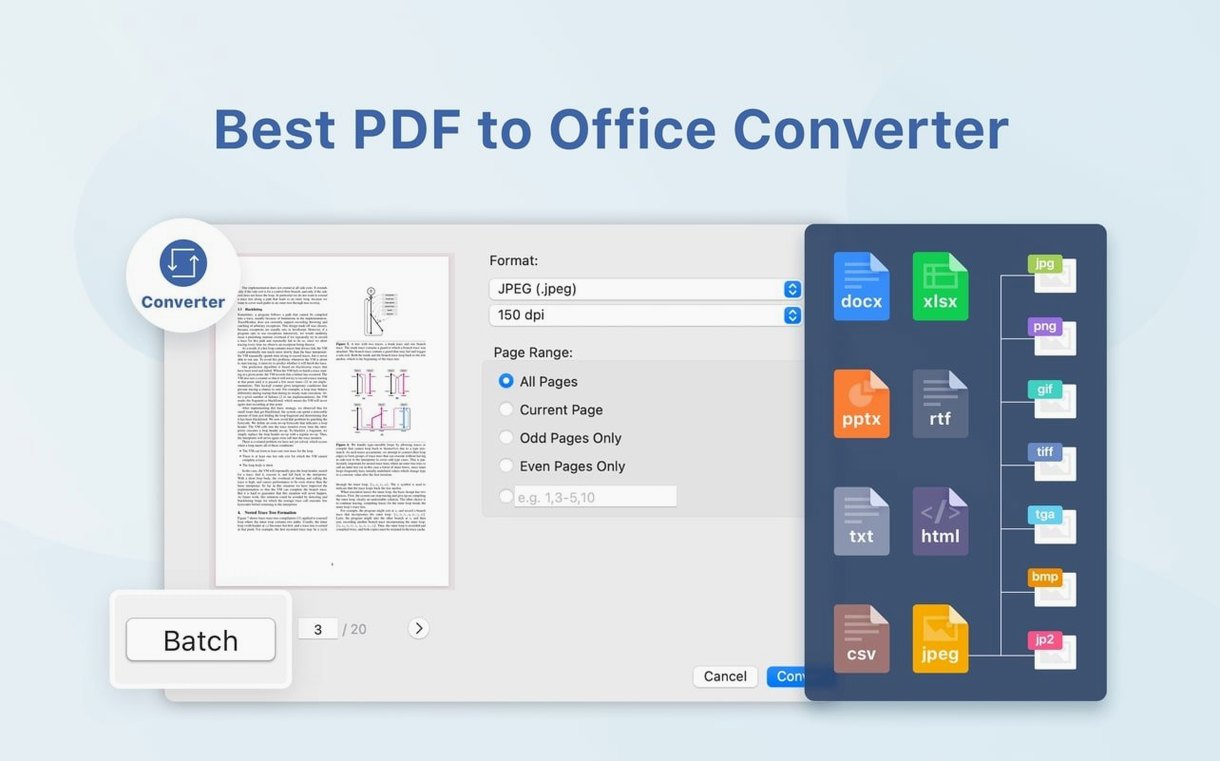
Another anxiety is conversion fidelity. People hunting a pdf editor mac torrent or a free workaround often discover that exported Word files come back as a jumble of floating text boxes. In practice, this app's export to .docx and .pptx preserves paragraph flow surprisingly well — tables mostly survive, and only the most ornate formatting tends to unravel. It's worth running a quick export on the first few pages of a long document to confirm, but the baseline is solid enough that you stop checking after a while.
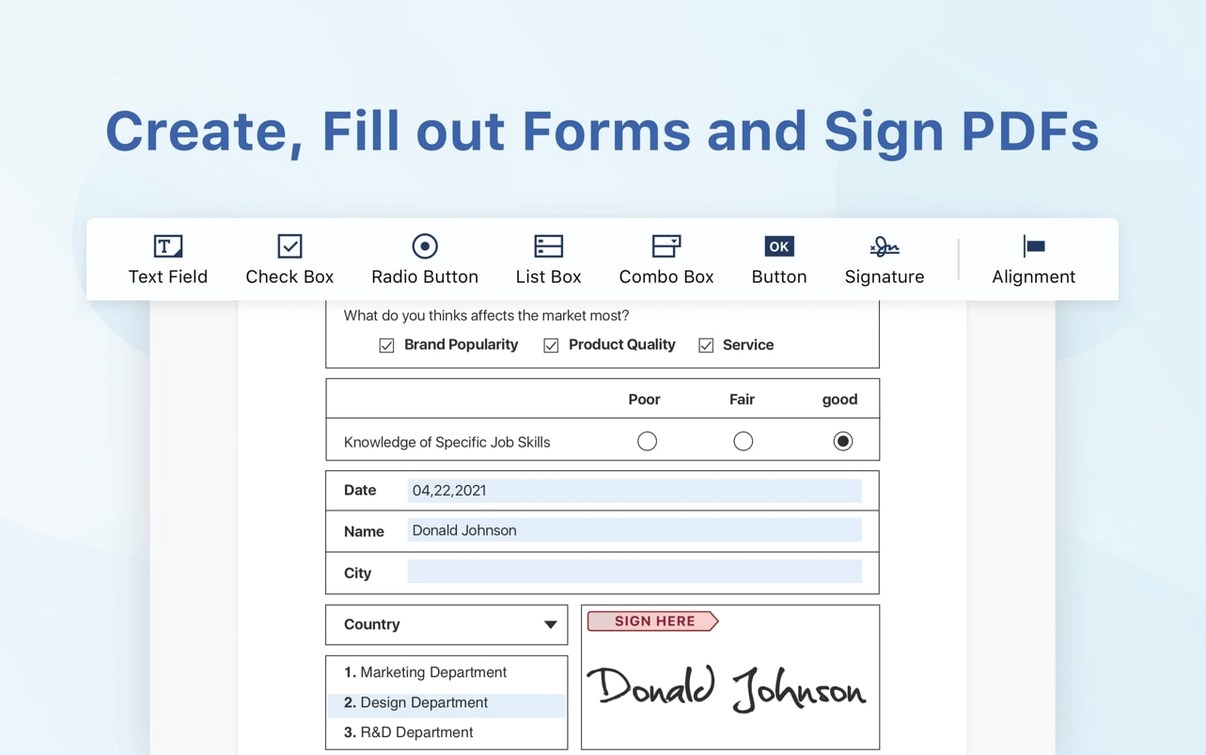
Then there's the signature question. Not just "can I sign," but "does the signature actually stick?" The eSign workflow added in 5.3.0 places a cryptographically verifiable signature field, not a flattened image of your scrawl. When someone opens the signed document in another compliant reader, they see a blue bar confirming the signature is intact. That one detail turns a convenience feature into something you can use for contracts.
What trips people up most often is the multi-tab behaviour. The app can hold several PDFs in tabs, which is wonderful until you close one and suddenly lose track of whether you saved annotations on the other four. The trick is to watch for the subtle dot on the tab — it means unsaved changes are sitting there. Cmd-S still works, but the tab dot is the faster visual check.
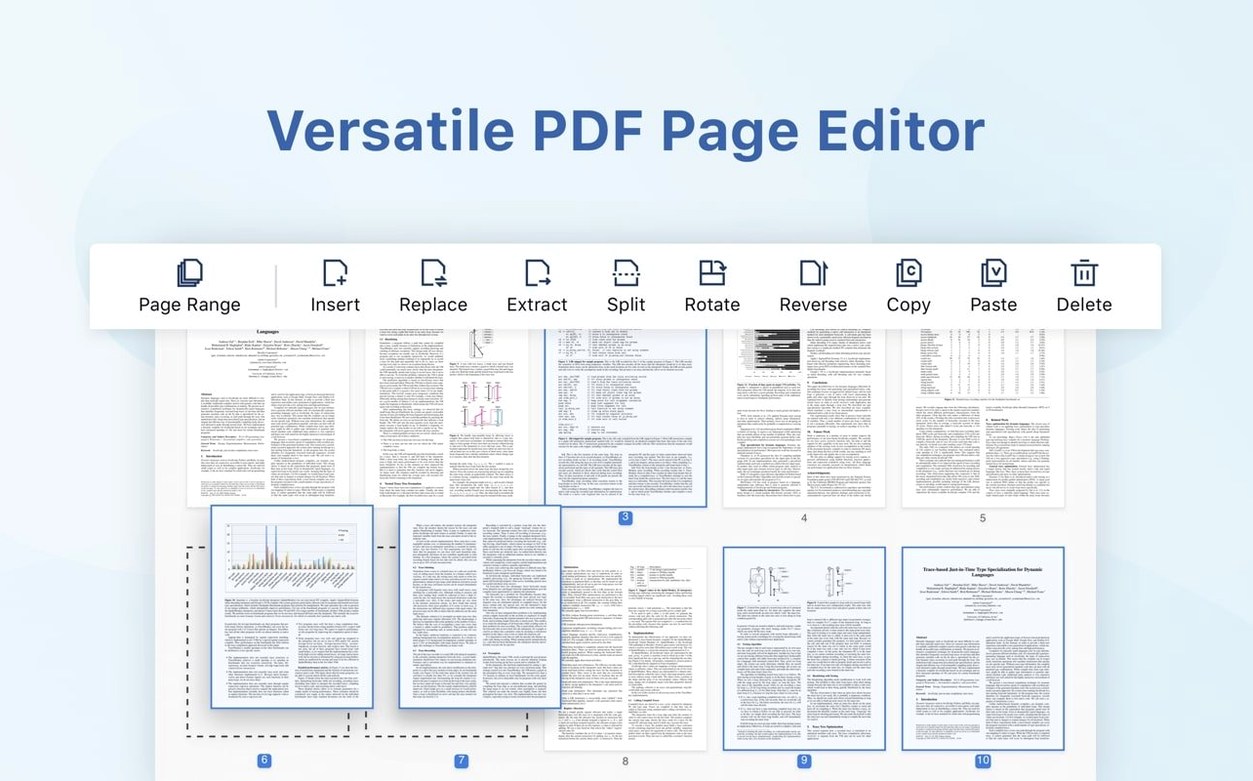
Another snag hits when you try to merge documents and the page order comes out wrong. The merge dialogue lets you drag thumbnails to reorder, but it only registers the drop when you release the mouse over the thumbnail area itself, not the preview pane beside it. Drop too far to the right and nothing happens. Once you know that, the process is frictionless; before you know it, you've spent ten minutes wondering if the app is broken.
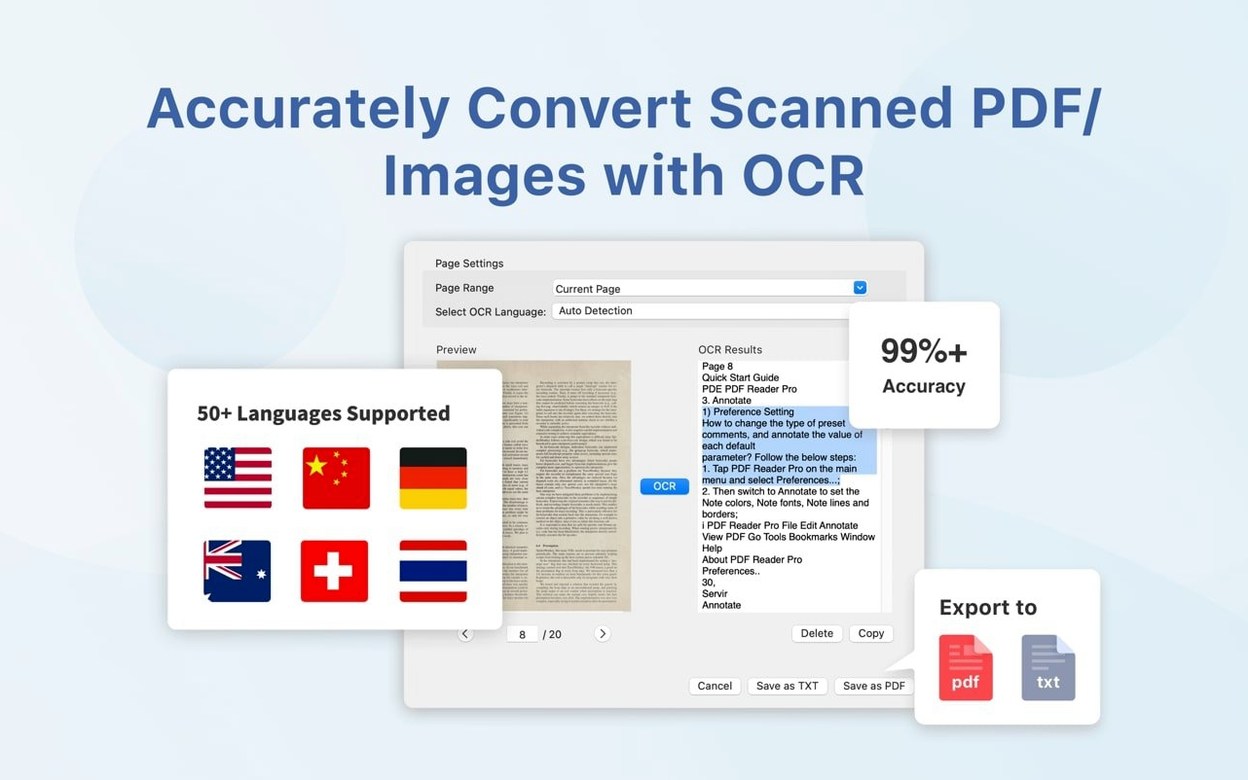
OCR is the other quiet frustration. The recognition engine is accurate, but it defaults to the document's first language tag, which might not match the actual content. If you're scanning a French contract and the result looks like alphabet soup, pop open the OCR language selector and switch it manually — the difference is immediate. It's an extra click that the interface doesn't advertise well.
Taking a scanned contract from image to signed PDF
Here's a workflow that covers the full arc with minimal friction. It's the kind of thing you might do once a week if you freelance or handle legal paperwork regularly.
You receive a scanned contract as a flattened image PDF — the sort where you can't select text and every page is just a photograph of paper. Drop it into the app. The first step is to run OCR. Open the OCR panel, pick the correct language, and let it process. Within seconds you'll have searchable text layered invisibly over the original image. Now you can actually highlight clauses and copy text out for reference.
Next, annotations. The contract needs a few initialled changes and a signature. Use the highlighter on the key clauses you want to reference later — the colour defaults to a soft yellow that prints well in greyscale. For the initials, the freehand drawing tool with a thin stroke weight, done in dark blue, feels more natural than typing and looks closer to pen on paper. Place them precisely over the margin where your initials belong.
Now the signature. If you've already stored one in the app, it's two clicks: choose the signature tool, click where it goes, and the field locks into place. If you haven't, the app lets you draw one with the trackpad or capture a photo of a pen signature on white paper — the latter holds up better under scrutiny. Place it, and the field becomes part of the document structure, not just a bitmap overlay.
Finally, save a copy. The merged annotations and signature fields are now part of a proper PDF that another party can open, verify, and counter-sign. The whole sequence takes under five minutes once you've done it twice, and the result doesn't look like you wrestled a scanner.
Quiet features that repay attention
Some of the most useful behaviour lives just below the surface. The bookmark panel, for example, doesn't just hold static page markers — you can drag bookmarks to reorder them, rename them inline with a slow double-click, and even nest them into a hierarchy that mirrors the document's structure. For a 200-page technical manual, that turns the sidebar into a custom table of contents you built yourself.
The text-to-speech engine deserves a more careful listen than most people give it. It reads in a natural cadence, and you can set it to continue across pages rather than stopping at each boundary. For proofreading your own writing, switching to a different voice — say, Fiona for a Scottish accent — makes errors jump out that your eyes skimmed over. It's a different kind of editing, closer to hearing someone else read your words back.
File sync with Dropbox is unobtrusive to the point of being missable. When it's set up, your annotated PDFs live in a folder that stays current across machines. Open the same document on a laptop and a desktop, and the highlights and notes travel with it. There's no export step — you just close the file and it syncs. For anyone who splits their workday between locations, that alone makes the app worth keeping around.
And a small thing with big payoff: the tab context menu. Right-click any open tab and you'll find an option to reveal the file in Finder. When you're juggling a dozen downloaded pdfs from email attachments and need to sort them into project folders, that single shortcut saves a surprising amount of hunting.
- macOS 11 or later
- Apple Silicon or Intel (64-bit)